
THE APEX TIMES
Penn State’s first month under Matt Campbell brings early optimism, then Big Ten reality check
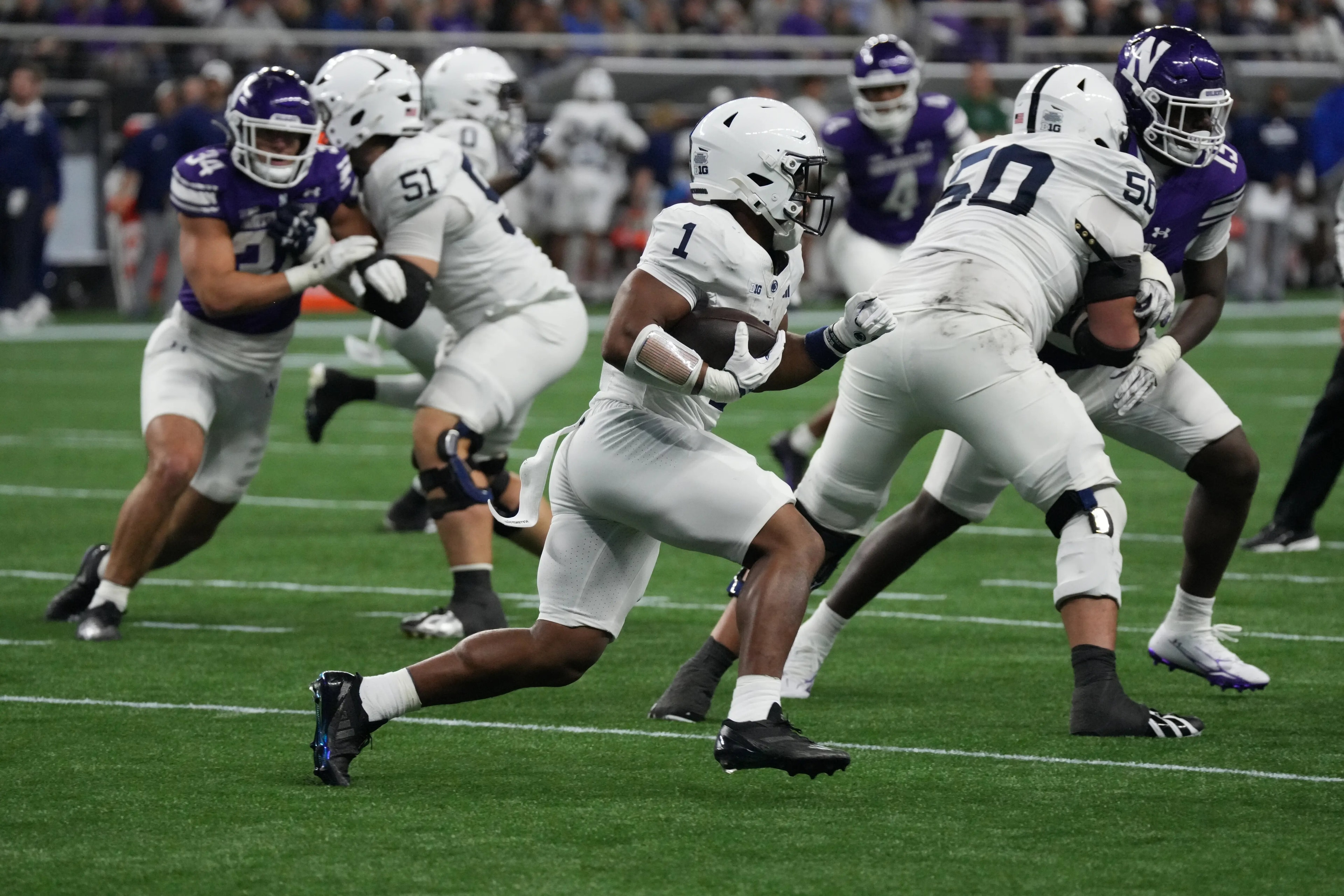
After starting 3-0 with non-conference wins, Penn State has stumbled to 0-2 in Big Ten play, raising questions about how quickly the program’s new-look approach can translate to conference competition.
Penn State’s 2026 season began the way many fans wanted, with new head coach Matt Campbell’s team posting a 3-0 start. The early results came against Marshall, Temple, and Buffalo, a non-conference stretch that helped the Nittany Lions build rhythm and confidence without immediately running into the physical and schematic tests of the Big Ten.
But the broader story has shifted in conference. As of Oct. 8, Penn State is 0-2 in Big Ten play, and a new round of scrutiny is arriving along with the reality that conference opponents game-plan with more urgency and more familiarity. The paper-thin margin between a promising first impression and a tougher second act is showing up quickly, according to the Yahoo Sports review of the opening five games.
The central issue, as characterized in the analysis, is that weaknesses that might have been masked in the non-conference slate are now being exploited. When the schedule tightens, the same execution problems that look fixable in September often become recurring themes, particularly in the areas where Big Ten offenses and defenses stress one another for consistency over four quarters.
Campbell’s hiring was built around the idea of organizing the program for sustained competitiveness. The opening weeks suggested Penn State could get itself into a workable posture: win early games, take care of details against unfamiliar opponents, and create structure that players can understand. The Big Ten results, however, suggest Penn State will need more than the foundation stage to win consistently, it will have to demonstrate sturdier performance against opponents that adjust week to week based on film.
What to watch next is whether the program can identify repeat issues and correct them fast enough to avoid falling behind in the standings early in the Big Ten race. With conference play often separating teams by small margins, the difference between a close loss and a turnaround can come down to a few decisive possessions and whether the team can consistently execute in the moments that matter.
There is also a talent-and-scheme question embedded in the narrative. Big Ten competition typically forces teams to play cleaner across formations and personnel packages, and it punishes teams when assignments break down. Penn State’s next stretch will show whether Campbell’s approach can hold up when opponents are better at anticipating tendencies and forcing difficult decisions.
For now, Penn State’s season picture is defined by contrast: a 3-0 start that looked like momentum, and a 0-2 conference start that has already exposed the limits of what the non-conference results could predict. The next games will determine whether these are growing pains that quickly become lessons, or early warning signs that linger through the middle of the schedule.
Why It Matters
- A 0-2 Big Ten start can put Penn State behind the pace for bowl-eligibility and divisional positioning.
- Big Ten games magnify execution gaps, which can influence how quickly a new coaching identity takes hold.
- The next stretch will test whether Penn State can convert early-season structure into consistent conference performance.
- If the underlying issues persist, the recruiting and transfer priorities that follow will likely prioritize immediate schematic and development fixes rather than longer-term projects.
Key Facts
- Penn State opened its 2026 season with three consecutive wins.
- The non-conference opponents cited are Marshall, Temple, and Buffalo.
- Penn State has started Big Ten play 0-2 as of Oct. 8, 2026.
- A Yahoo Sports review argues that weaknesses seen in the early portion of the schedule have been exposed in conference.
- The analysis frames the shift as a move from optimistic early rhythm to tougher Big Ten competition.