
THE APEX TIMES
Penny Hardaway says he put $2.6 million of his own salary into Memphis’ NIL fund to help “level the playing field”
The Tigers’ head coach is tying his own compensation to the program’s name, image and likeness effort, framing the move as a response to uneven budgets across college basketball.
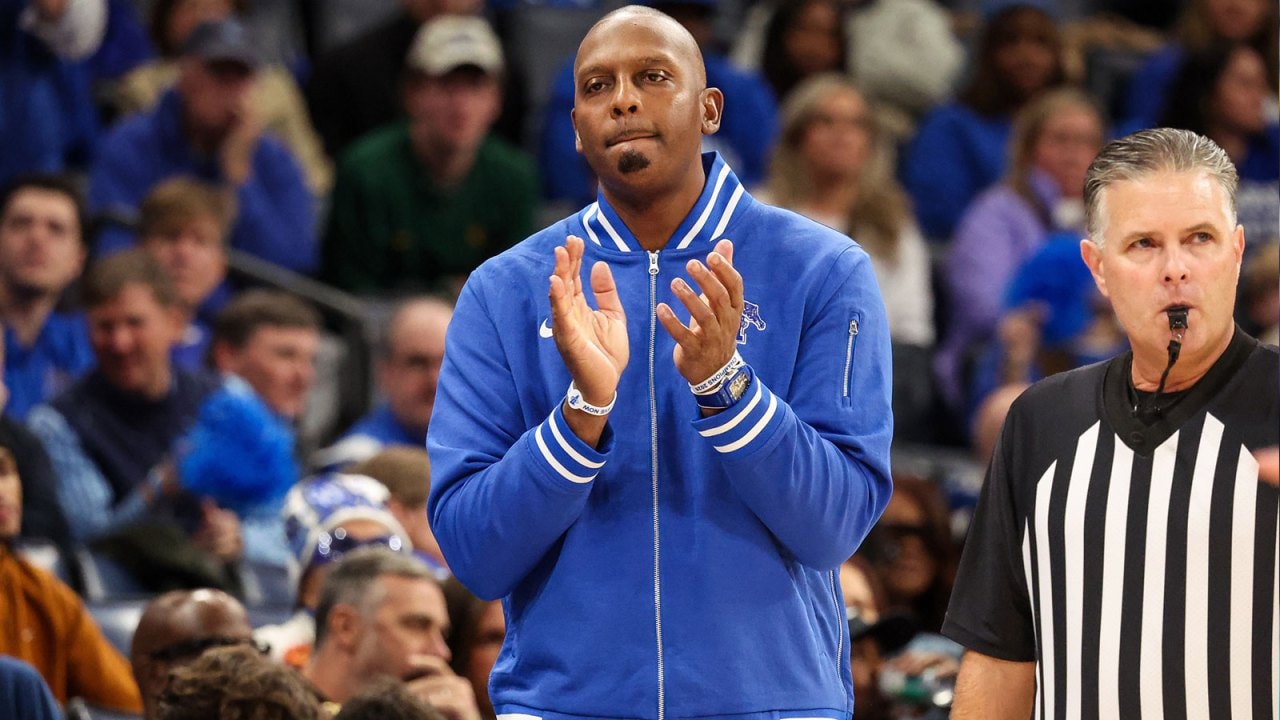
Memphis head coach Penny Hardaway said he contributed $2.6 million of his own salary to help grow the Tigers’ NIL fund, describing it as an attempt to narrow the gap between programs that can spend more aggressively on talent and programs that cannot. The move underscores how, in modern college basketball, roster building increasingly reflects financial infrastructure as much as it reflects recruiting relationships.
Hardaway’s explanation, as reported, focuses on parity. In his view, NIL has become a determining factor in player decisions, and larger programs can often attract commitments through the size and stability of the support available to recruits. By funding the collective personally, he positioned the contribution as a practical counterweight to that imbalance.
The $2.6 million figure matters not just because it is large, but because it is direct. Instead of treating NIL as a distant, donor-driven effort, Hardaway described it as something he was willing to underwrite personally, using his own pay to expand the resources Memphis can place behind recruiting and retention. That detail indicates how seriously the program is leaning into NIL as a competitive necessity rather than a compliance checkbox.
Memphis competes in Division I basketball within the broader structure of conferences that share national attention but do not share spending power. NIL collectives and donors have existed for years in various forms, but the current era has elevated them into the center of recruiting conversations. A head coach committing personal funds also changes the narrative around accountability, because the investment is tied to the day-to-day leadership of the program.
It is also a reminder that NIL rules create flexibility for schools and collectives, but they do not eliminate the underlying economic reality that different programs have different revenue bases. When Hardaway frames his contribution as a way to “level the playing field,” he is essentially arguing that competitive balance depends on more than coaching and facilities, it depends on whether a program can offer recruits credible, ongoing support.
Still, the long-term impact will be judged on outcomes that are not guaranteed by financial inputs alone. Even with an expanded NIL pool, recruiting remains a multivariable process that involves fit, development, playing time, and the broader trajectory of a program. What Memphis can control is the availability and durability of support; what it cannot control is whether each recruit values that support relative to other factors.
For fans and evaluators, the next watchpoint is whether Memphis can convert this financial push into commitments and roster stability, and whether other programs in the same recruiting tier respond with similar coach-driven or donor-driven funding. In the NIL era, the arms race does not always look like a checklist of promises, it often looks like budget commitments that shape recruiting momentum over multiple recruiting cycles.
Hardaway’s personal contribution is therefore best understood as a statement of strategy: Memphis intends to treat NIL competitiveness as part of coaching. Whether that produces the desired recruiting lift will depend on the program’s ability to translate the expanded NIL capability into identifiable on-court results over time.
Why It Matters
- Hardaway’s personal financial commitment highlights how NIL has become central to roster building, not peripheral to it.
- If Memphis can sustain and scale its NIL capacity, it could improve recruiting leverage against programs with larger budgets.
- The strategy may influence how recruits evaluate Memphis, with recruits considering not only coaching and opportunity but also the credibility of NIL support.
- Other programs may feel added pressure to match not just donor funding but also high-profile commitments from leadership figures.
Sources
Key Facts
- Memphis head coach Penny Hardaway said he contributed $2.6 million of his own salary to Memphis’ NIL fund.
- Hardaway framed the contribution as an effort to help address unequal spending power across college basketball.
- The report connects NIL resources directly to player commitments and the competitiveness of recruiting.
- The move positions NIL support as a coach-led investment rather than solely a donor-led initiative.