
THE APEX TIMES
The Cubs center fielder hit his third straight game home run, with the ball’s path near the foul pole prompting a late check at the plate.
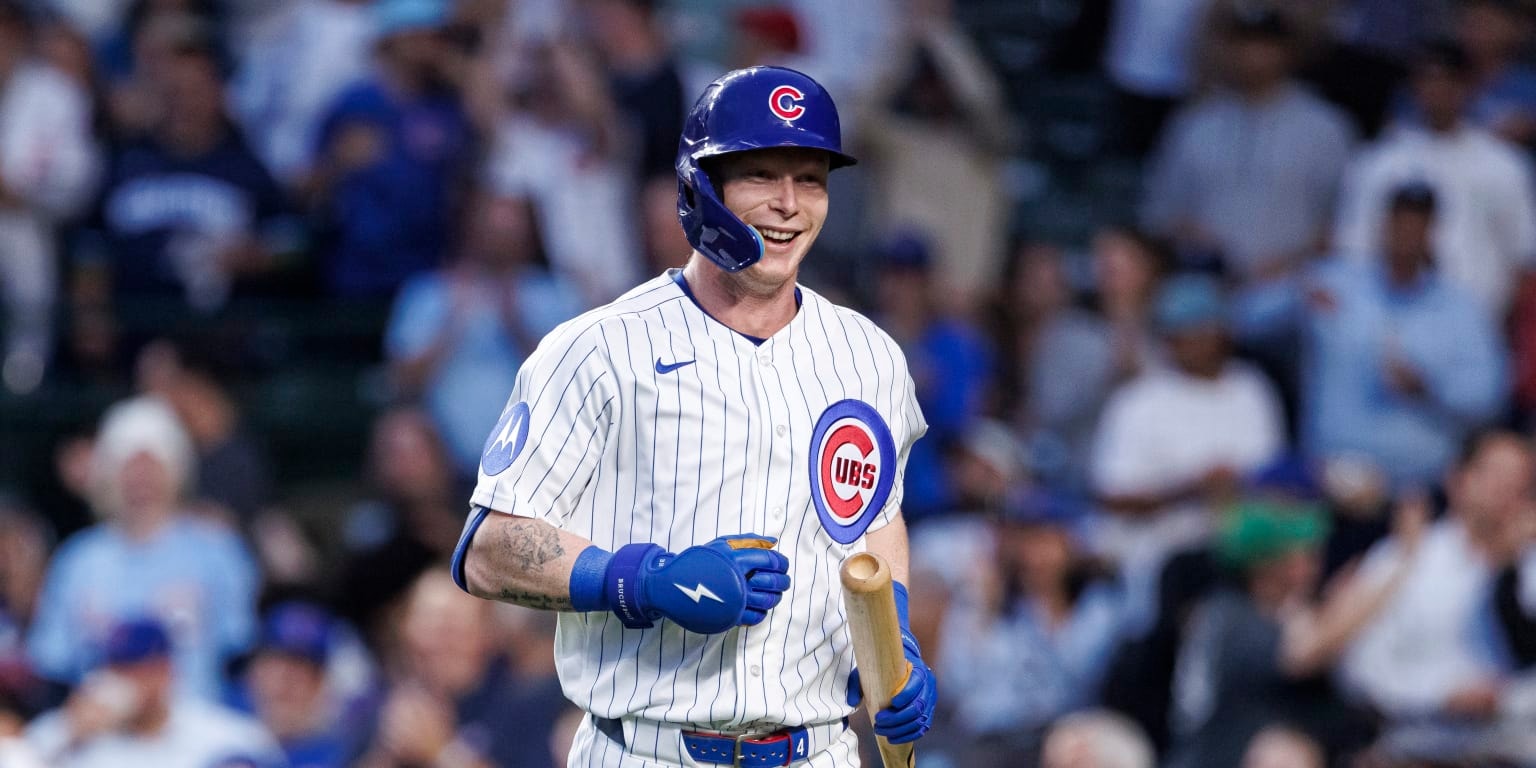
CHICAGO, June 17, 2026 (Apex Times) – Pete Crow-Armstrong’s latest swing did not come with immediate certainty. As he rounded first and headed toward second, he appeared to question whether the fly he sent high over the right-field line would hold up, setting the stage for a ball-tracking moment that ended with the call confirmed after review.
According to MLB’s official account of the play, the ball cleared the foul pole and stayed in play as a home run, giving Crow-Armstrong a third consecutive game with a homer. The sequence mattered not only for the single at-bat, but for what it indicated about his form during this stretch, when his extra-base power has been showing up in a repeatable way.
Crow-Armstrong plays center field for the Cubs and has been a key part of their everyday outfield mix. A streak of homers of this kind is a swing in production that can change the texture of an offense, particularly when the game’s momentum shifts toward the middle of the lineup or when late-inning plate appearances require a ball in the air to travel.
The review also highlighted how tight outcomes can be on the lines and around the foul pole, where angles, trajectory, and timing must align for a ball to be ruled a home run. MLB’s description emphasized that the call stood, meaning the ball was ultimately determined to have cleared the foul pole in fair territory rather than falling just short or striking the boundary in a way that would negate the score.
For Chicago, a three-game homer run from a top-of-the-outfield piece adds pressure to opposing pitching, since it comes with a clear reminder that the Cubs can turn fly-ball contact into runs even when contact is not perfectly square. For Crow-Armstrong himself, stacking home runs increases the odds of extra intent in subsequent at-bats, with pitchers potentially adjusting pitch location and swing paths to avoid leaving similar mistakes over the same area.
What to watch next is whether this streak continues beyond the most recent home-run game and how the Cubs use him in their outfield and run-creating roles as the series moves forward. A short homer run can often fade quickly, but when a player can repeatedly reach the same kind of impact, it tends to carry into the next matchups.
The Cubs and their fans now have one clearer result to build on: the foul-pole homer stands as a home run, and the scoreboard reflects a consecutive-game home run run for Crow-Armstrong.
Because the decision rests on an on-field call confirmed after review, the core detail to retain is the ruling itself: the ball was judged a fair home run off the right-field line and foul pole area, and it was Crow-Armstrong’s third straight-game homer in MLB game action.