
THE APEX TIMES
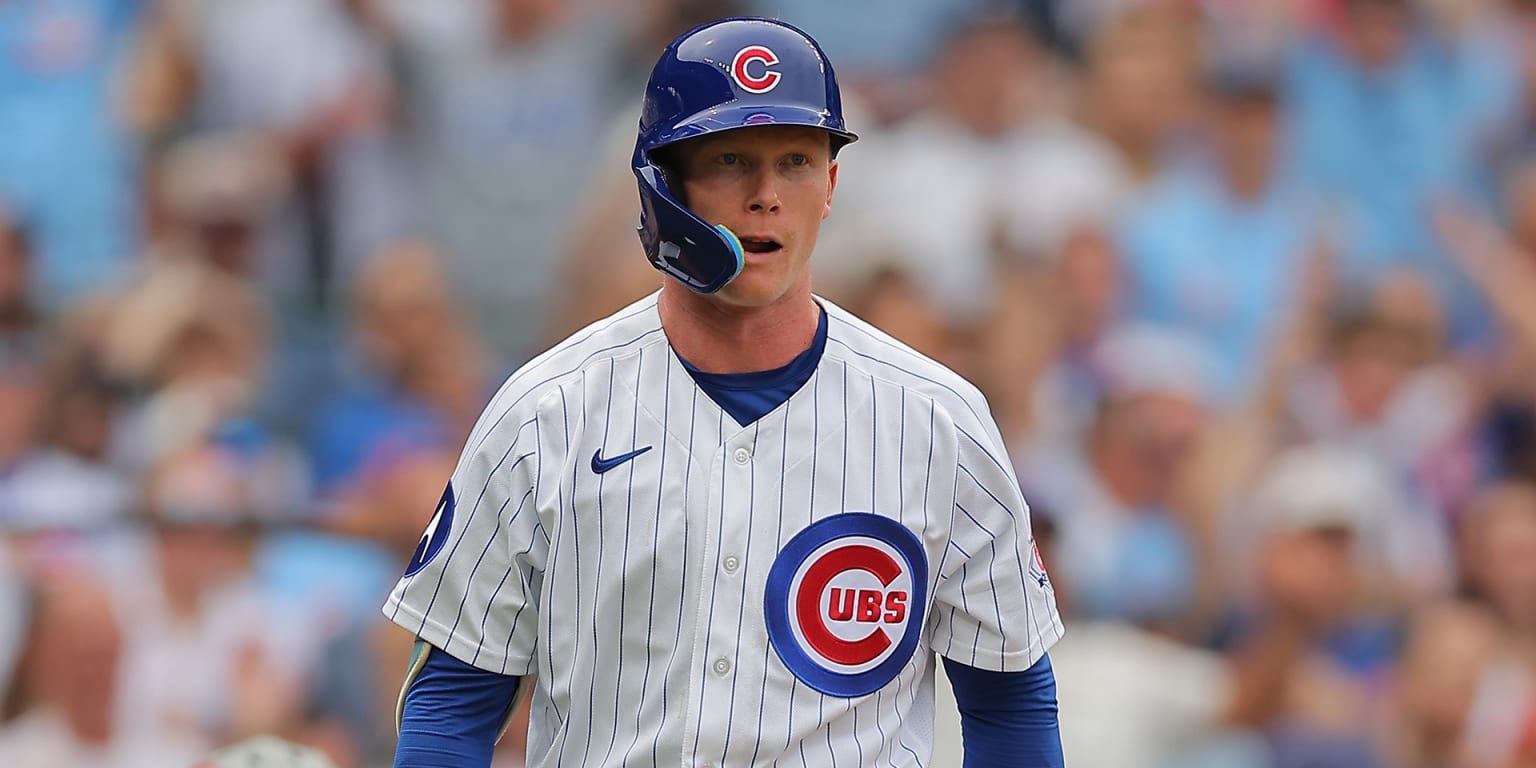
Pete Crow-Armstrong turns early power into instant momentum as Cubs roll past Reds
A pair of homers in the first two innings gave Chicago a fast start and reminded fans why the Cubs keep chasing that next recognizable game-changer at the plate.
CHICAGO, Aug. 29, 2026, reported that Pete Crow-Armstrong backed up the hype with two home runs early, lifting the Chicago Cubs against the Cincinnati Reds and turning the first stretch of the game into an unmistakable statement. The timing mattered, not just because the blasts came before the opposition could settle in, but because they arrived while the crowd was still filing into its rhythm, setting a tone that Chicago could build on.
MLB’s game recap framed Crow-Armstrong’s performance through the Cubs’ long tradition of power showmanship. The story pointed to the way Chicago’s fans still attach big moments to big names from the past, and how a modern slugger’s early surge can trigger the same kind of collective attention in the moment. In that sense, the early homers were more than a highlight. They were a report to a home audience watching for separation, the kind of at-bat impact that can shift an evening quickly.
The article’s central factual throughline was straightforward: Crow-Armstrong hit two home runs in the first two innings versus the Reds. With the game still young, those swings forced immediate adjustments from Cincinnati’s pitching staff, compressing the margin for error and tightening the sequencing options for the relievers who would have to handle whatever came after the early damage.
Chicago’s leverage from an offensive start is often measurable in smaller, downstream ways, like how it changes the plate appearances that follow. When a team’s first two innings include multiple runs via the long ball, it can reduce the pressure on later hitters, while also altering the defensive choices that accompany a chasing opponent. Even without turning this into a standings story in the recap itself, the baseball mechanics of early scoring are clear enough: you remove time from the other dugout.
The recap also made a cultural point, tying the instant excitement around Crow-Armstrong to how Cubs fans think about their sluggers. It referenced Sammy Sosa as a touchstone, emphasizing how the franchise’s power history has been remembered in part through fan memory and in part through the visibility of those moments. In that framework, the two early homers were framed as a contemporary version of the same kind of elevated, must-watch impact.
For what to watch next, the question is whether Crow-Armstrong can translate this kind of early explosiveness into consistency across more appearances, particularly once pitchers respond with clearer scouting reads and tighter execution. One game is not a season, but two homers in the first two innings do more than pad a tally, they raise expectations from teammates and fans alike, and they can tighten the standard for how Chicago wants its next offensive identity to look.
If you’re following the Cubs’ late-season arc, Crow-Armstrong’s ability to drive the ball early against major league pitching will be the storyline to track. The immediate takeaway from the recap is that, on Saturday night at Wrigley Field, the Reds had to absorb a rapid reminder of what the Cubs can do when their power shows up on schedule.
Why It Matters
- Early two-inning production can force quicker, more difficult pitching adjustments from the opponent.
- A visible power surge at home can shift fan and clubhouse expectations, especially for a young centerpiece.
- Highlight-reel starts like this often become the baseline for how a team plans its offensive sequencing.
- For the Cubs, performances like this are part of defining what kind of hitter they want in prominent lineup spots going forward.
Key Facts
- reported that Pete Crow-Armstrong hit two home runs in the first two innings against the Cincinnati Reds.
- The game was played in Chicago, with the Cubs drawing a notable home crowd reaction.
- The recap emphasized Crow-Armstrong’s early power impact and the moment-to-moment attention it generated.
- The article connected the performance to the Cubs’ history of recognizable, high-visibility power players.
- The focus of the report was on Crow-Armstrong’s fast start rather than a broader transaction or roster update.