
THE APEX TIMES
Peyton Watson lands with the Cavs, giving Cleveland a fresh wing piece they can build around
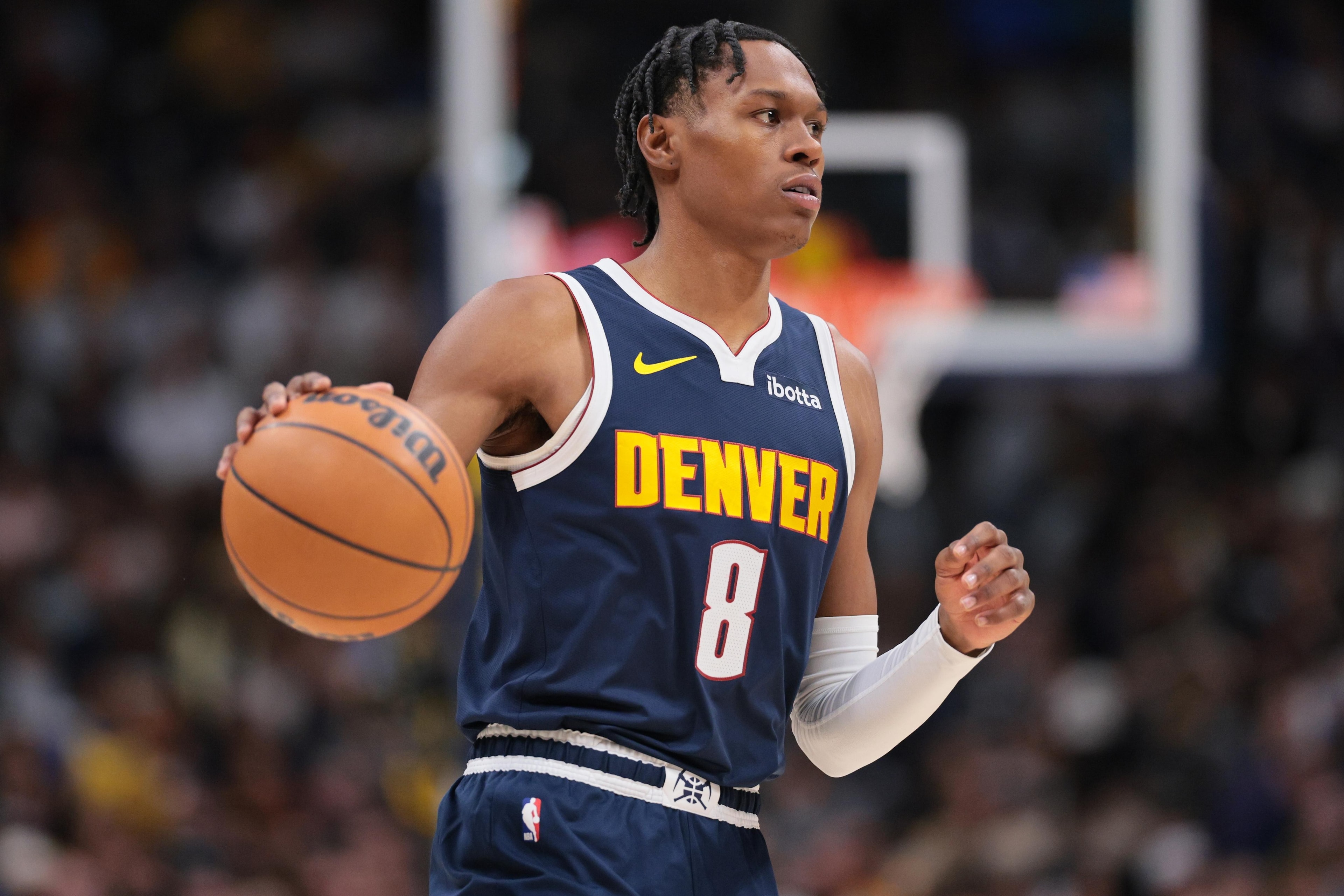
Cleveland’s offseason continues with a multi-team trade that ultimately brought Peyton Watson to the Wine and Gold, adding a new option at forward as the Cavaliers shape their roster for the next stretch of contending basketball.
The Cleveland Cavaliers’ roster work continued on Tuesday with a multi-team trade that landed forward Peyton Watson in Cleveland. The move is the kind of acquisition the Cavaliers typically target when they want to stay flexible, deepen their perimeter options, and add another body that fits their defensive preferences.
Watson is commonly viewed as a developmental wing who can contribute across multiple phases of a game, and that framing is central to why the trade matters for Cleveland’s immediate plans. If Watson’s role expands during training camp, the Cavaliers could gain a second unit closer to what they do with their best perimeter defenders: contesting shots without losing positional discipline, and using length to disrupt passing angles.
One of the reasons Cleveland would make a move like this, according to the basic outline of the report, is that it helps complete a roster picture that needs reliable forward rotation depth. The Cavaliers have typically leaned on length, switching, and activity to pressure opponents, and Watson’s profile aligns with that style in a general sense: a wing who can be used as a connector between guards and bigger forwards rather than forcing Cleveland to compress play only into its first-choice lineup.
The second reason the acquisition is being discussed is fit with Cleveland’s long-term wing needs. Trades like this often serve a dual purpose. They can address immediate rotation issues, but they also preserve the possibility that a player can grow into a larger role as the regular season wears on. If Watson earns more minutes, Cleveland’s coaching staff would have another forward who can take on secondary matchups and help distribute the defensive workload across the roster.
The third aspect is the ceiling of what a fresh wing option can change for the Cavaliers. The league has become increasingly matchup-driven, and a team in Cleveland’s position needs players who can cover different types of opponents. A Watson-type addition can give the Cavaliers more ways to respond if opponents exploit particular rotations, whether by using a forward to close out toward the perimeter or by adding another body capable of staying in front during switches.
Still, the specifics of how Watson will be used, and how quickly his impact translates to game days, are not guaranteed simply because he is in Cleveland. The practical question for the Cavaliers is how the player’s offseason work stacks up against the team’s existing wing rotation, including who gets the minutes when the games get tight late in the season.
Why It Matters
- A Watson acquisition gives Cleveland additional flexibility at forward, which can matter most during matchup-heavy stretches of the season.
- If Watson’s minutes expand, the Cavaliers can better manage defensive workload across their lineup rather than leaning on a small set of players.
- The trade can also influence late-game lineups by adding another option to match up with opponents’ wings and ball-handlers.
- For Cleveland’s title picture, the value of the move will depend on whether the new wing piece develops into consistent rotation-level production.
Key Facts
- Cleveland made a multi-team trade that ultimately resulted in Peyton Watson joining the Cavaliers.
- The move adds a new wing/forward option to Cleveland’s rotation as the offseason continues.
- The report frames Watson as a player who could affect multiple aspects of Cleveland’s on-court needs, particularly in forward depth and defensive fit.
- How large Watson’s role becomes during the regular season remains the key unknown.