
THE APEX TIMES
Phillies lean into position fluidity after acquiring Luis Arraez, reshaping how the lineup is built
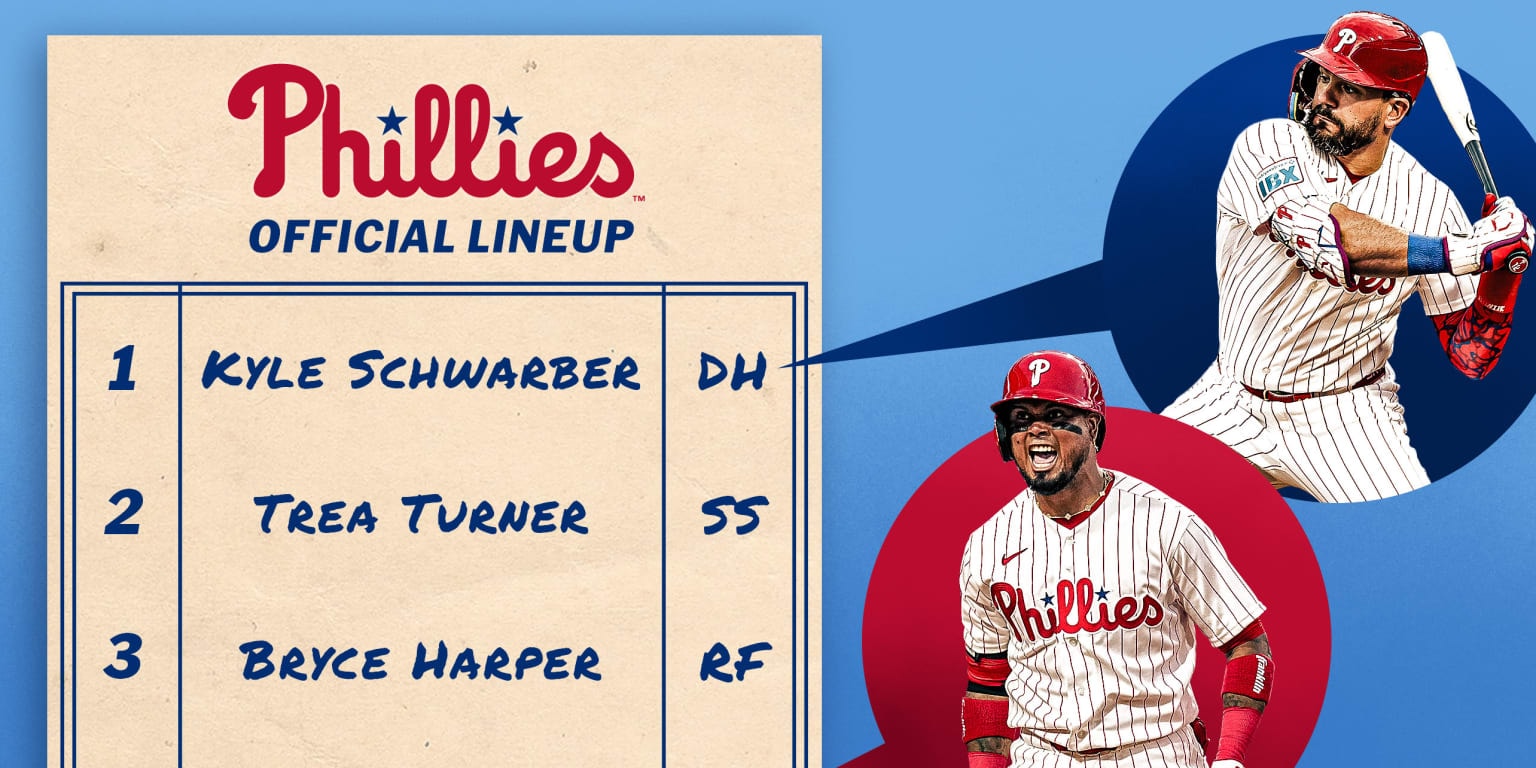
Philadelphia’s batting order and defensive assignments are being treated as linked parts of one plan, with Arraez’s arrival prompting a chain reaction among established infielders and a familiar role adjustment for Kyle Schwarber.
The Phillies are using their latest roster flexibility to challenge a long-standing baseball habit, treating the batting order as something that can move in harmony with defensive needs rather than as a fixed, tradition-bound arrangement. In an explanation published by MLB, the club framed Luis Arraez’s acquisition at the Deadline as more than a pure lineup addition. The bigger point is that Arraez’s presence has pushed Philadelphia toward a more unconventional approach, where multiple regulars are expected to shift responsibilities across the field.
MLB’s breakdown emphasizes that the adjustment is not isolated. It describes a required ripple effect through the infield, tying the new-look plan to the way players such as Bryson Stott and Alec Bohm would have to “move to new positions,” alongside Bryce Harper. The key theme is positional adaptability, with the Phillies attempting to keep their best defensive structure intact while also maximizing lineup value.
That plan also extends to Harper, who is traditionally viewed through a different positional lens in most discussions about the Phillies. MLB’s explanation treats his involvement as part of the same functional puzzle. Rather than separating offense and defense into independent silos, the Phillies are, at least in this presentation, deliberately connecting lineup construction to how the field can be staffed most effectively.
Designated hitter usage is the other major wrinkle. With Kyle Schwarber, MLB’s explanation notes that the team has had to consider how his designated-hitter routine fits into the new balance of roles, including the idea of him finding a first-base “mitt” that he has used less frequently. In a sport where even small defensive changes can alter late-game decision-making, that sort of planning matters, especially when roster flexibility is being leveraged to create matchup advantages.
All of this is taking shape during the stretch run, when teams increasingly weigh not only who can hit, but who can hold the field. For Philadelphia, the stated logic is that Arraez’s profile can be integrated into a broader scheme, so that the batting order and the defensive alignment do not compete for roster time and attention.
The Phillies’ approach also hints at a deeper organizational priority: they appear willing to treat “roles” as adjustable, not permanent. That matters because it changes how managers think about lineup stability. When more players are being asked to operate in multiple ways, the payoff depends on repeatable execution, and the risk is that unfamiliar movement can be costly.
What to watch next is whether Philadelphia’s lineup fluidity is consistent enough to survive the usual late-season adjustments, such as pitching matchups and late-game substitutions. If the Phillies can keep the offense humming while maintaining workable defensive coverage, this Arraez-driven experiment could become a blueprint. If execution becomes uneven, the club may have to revert to more traditional roles even as it keeps searching for the best way to deploy its most valuable bats.
Why It Matters
- Position fluidity can raise the ceiling of a lineup by letting teams match players to their best offensive and defensive contexts.
- When multiple regulars shift roles, it can affect late-inning planning, bullpen usage patterns, and substitution strategy.
- A more flexible batting order can be used to exploit pitcher handedness and defensive alignments, but only if the team’s structure holds on defense.
- If the Phillies’ experiment works, it may influence how other contenders think about integrating skill sets like Arraez’s into roster-wide planning.
- This is especially relevant late in the season, when teams tighten preferences for consistency even while seeking matchup advantages.
Key Facts
- MLB’s Phillies story frames Luis Arraez’s acquisition at the Deadline as a driver of broader lineup and defensive changes.
- MLB describes a ripple effect among multiple Phillies regulars, including Bryson Stott and Alec Bohm moving to new positions.
- MLB also ties the plan to Bryce Harper taking on responsibilities within the new fielding and lineup structure.
- Kyle Schwarber’s role is discussed in the context of his moving toward first base, even though his first-base use has been limited.
- The central thesis is that the Phillies are linking batting order construction with defensive staffing needs.
- The story is presented by MLB as an explanation of the club’s unconventional approach rather than a game-by-game recap.