
THE APEX TIMES
Pirates’ costly fielding miscues linger in another frustrating stretch against Miami
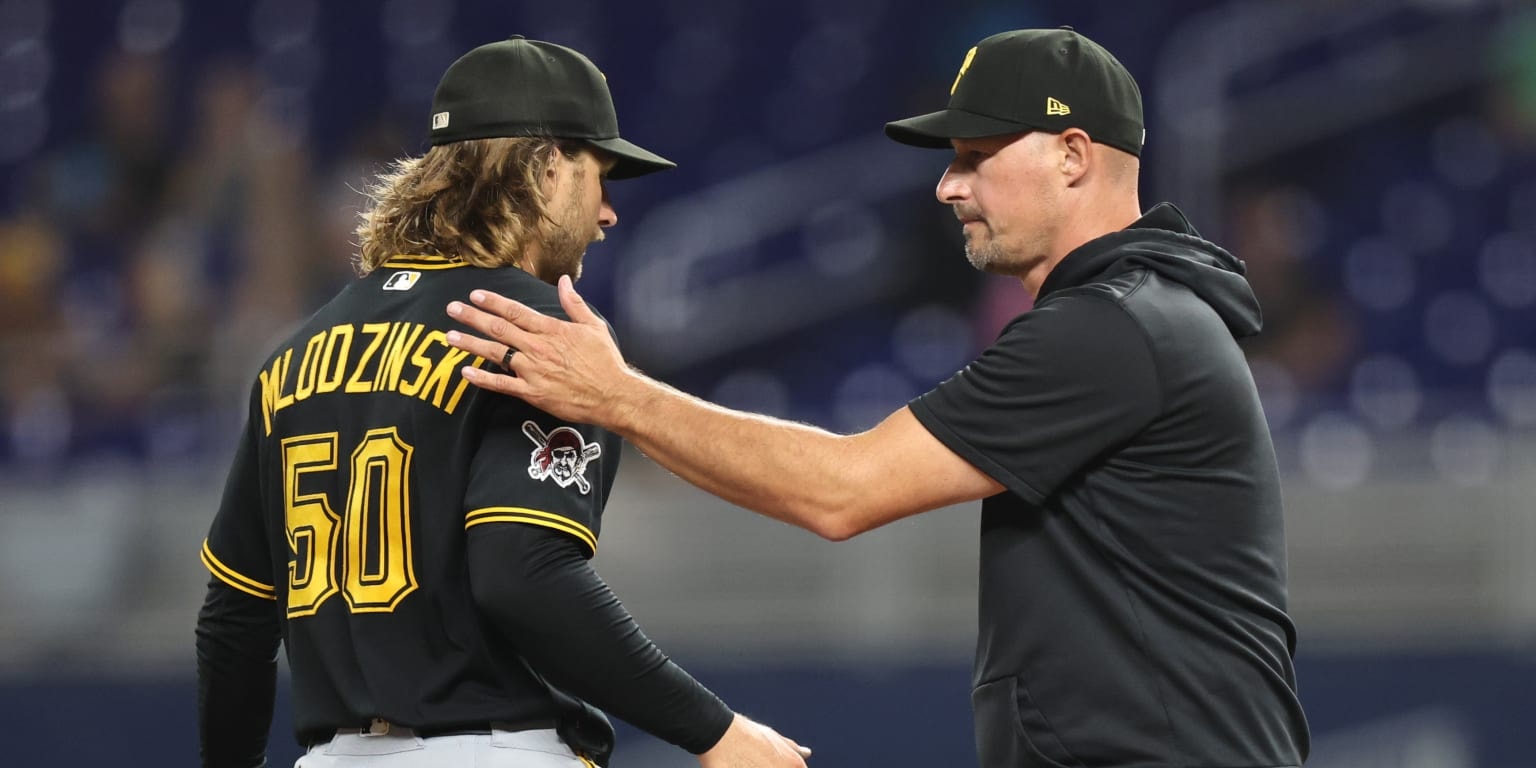
A throw that should have erased the inning instead let Nick Gonzales cross the plate, underlining how small errors can decide games for Pittsburgh.
The Pirates ran into the kind of inning that feels manageable for a moment, then spirals. Against Miami, a play at first base went the wrong way when a throw sailed wide, allowing Nick Gonzales to score instead of the Pirates converting what should have been an inning-ending double play.
It was the sort of moment that initially looked like it might flip the storyline for Pittsburgh. When a runner comes around on a mistake, it can feel like luck finally arrived. But the overall theme in Pittsburgh’s play has been harder to shake, and MLB’s recap framed the sequence as another example of mistakes continuing to be expensive during a frustrating stretch.
The incident mattered because it was not just about one run, it was about the rhythm of an inning. A double play changes everything, often tightening the posture of the pitcher, the infield defense, and the way the next hitter is treated. By losing that inning-ending chance, the Pirates gave Miami additional momentum and kept pressure on their side of the game.
Nick Gonzales scored on the errant throw, turning a defensive miscue into immediate damage. Jacob Gonzalez, who should have been part of a double-play picture on the play, was left on the outside of the outcome when the ball went past first base. That contrast is at the center of what the Pirates need to address, and it is also what makes the moment stick in the retelling of the game.
Pittsburgh’s problem, as described in MLB’s game recap, is not isolated to one aberration. The article’s framing is that these are repeatable, understandable issues, the kind that show up when fundamentals break down under stress. When a team repeatedly pays for mistakes, opponents do not have to manufacture elaborate rallies. They simply wait for the next thing to go slightly wrong and cash in.
For the Pirates, the path forward is straightforward but demanding. Plays like the one at first base depend on clean execution, quick communication, and precise throws that match the situation on the basepaths. If Pittsburgh can limit the kind of base-running and defensive outcomes that turn “almost an out” into runs allowed, it can swing the score without needing perfect circumstances.
What to watch next is whether the Pirates can tighten up the details in these late-inning swing moments. In games decided by a small number of runs, a single blown double-play opportunity can become the difference between a chance to reset and another day of chasing the game. Miami’s offense gained from the miscue, and Pittsburgh will look to prevent the next similar play from becoming another turning point.
Why It Matters
- Double plays swing innings by changing leverage, tempo, and the defense’s confidence for subsequent hitters.
- When a team repeatedly turns near-outs into runs, it forces pitchers to compensate and raises the difficulty of coming back late.
- Fundamental execution issues, especially around routine force plays and throws to first, can disproportionately affect close games.
- The Pirates’ next stretch will be shaped by whether they can eliminate the kind of base-running and throwing errors that MLB flagged.
Key Facts
- MLB reported that a throw sailed wide of first base during a play involving Nick Gonzales, allowing him to score.
- That sequence prevented the Pirates from turning what should have been an inning-ending double play.
- The game was played in Miami, with the Pirates’ defensive mistakes highlighted as a recurring problem.
- Jacob Gonzalez was mentioned in the double-play context on the same play where the inning-ending outcome was lost.