
THE APEX TIMES
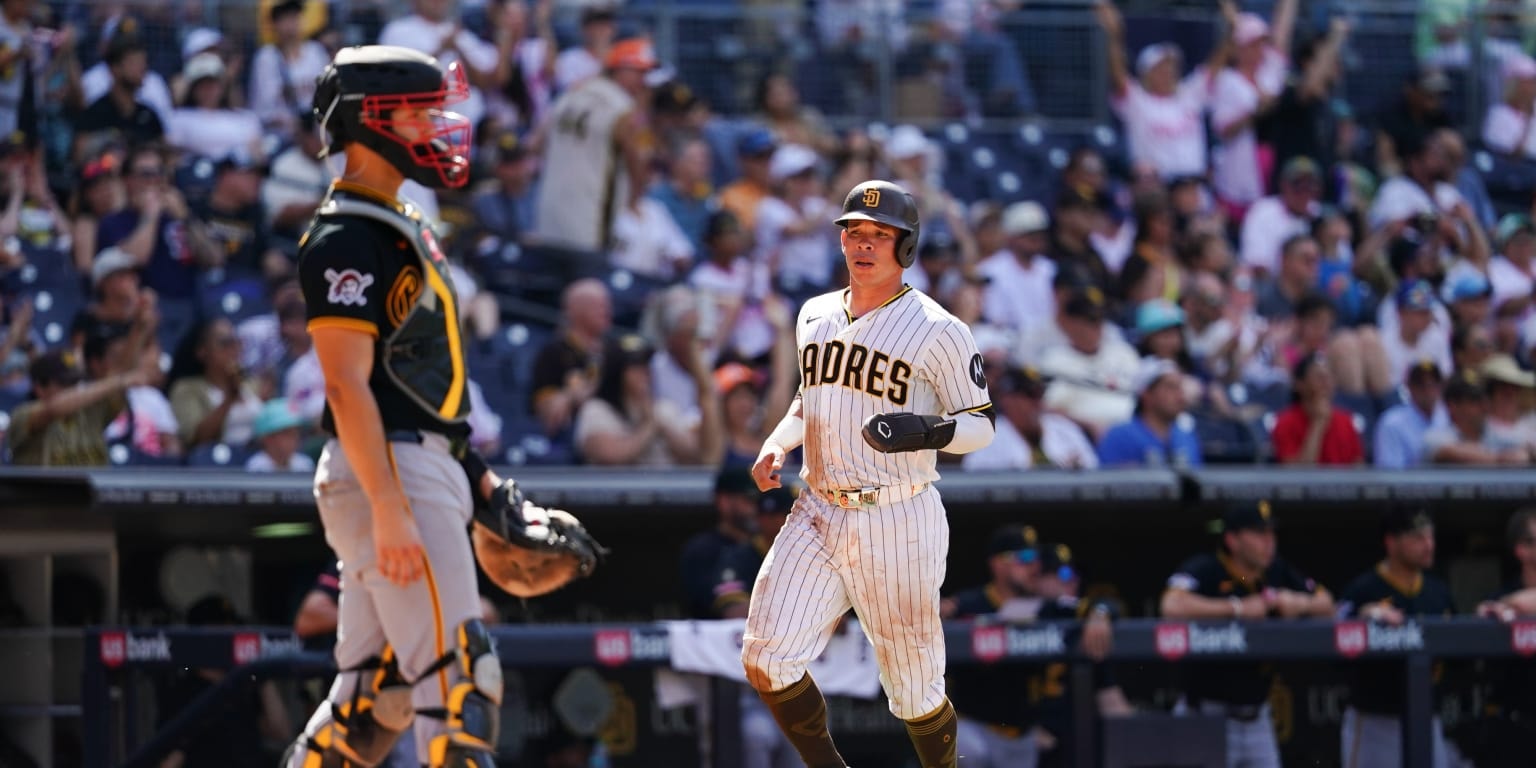
Pirates’ familiar offensive trouble returns in San Diego, as they drop the series finale to the Padres
Another late-season setback leaves Pittsburgh wrestling with the same two issues: challenges against left-handed pitching and difficulty turning runners in scoring position into runs.
PITTSBURGH’s offense has carried a clear, repeated theme this season. When the opposition has gone to a left-handed pitcher, the Pirates have struggled to generate consistent damage. Just as often, when the game has tightened and runners have reached scoring position, Pittsburgh has had trouble converting those opportunities into runs. In the series finale in San Diego, that familiar problem resurfaced, and the Pirates came away with another defeat.
The Pirates and Padres met with the stakes typical of a late-August series, where small offensive swings can decide the outcome. According to the MLB report on the game, the Pirates’ struggles followed the same script that has shown up across multiple contests: either a left-handed arm was working for San Diego, or Pittsburgh could not cash in when they had men in scoring position, and in this case the matchup leaned into both.
Those two factors matter because they do more than describe how individual innings play out. Against left-handed pitching, teams can get locked into specific platoon-driven approaches, and the Pirates’ ability to put pressure on the lefty-led swing-and-miss or pitch-to-contact sequences becomes central. When that pressure does not arrive, the inning-by-inning margin can disappear, leaving the lineup dependent on extra-base hits or fortunate strike-zone sequences that are harder to produce consistently.
Runners in scoring position (RISP) are the second hinge. Baseball teams can create volume even when they are not scoring yet, but RISP represents the moment the game plan becomes measurable. The MLB report’s framing emphasizes that Pittsburgh has repeatedly been unable to convert when men are on base in those higher-leverage situations. In practical terms, that means fewer productive at-bats with runners going on or in scoring position, and fewer innings that turn from “movement” to “damage.”
The Pirates’ offensive challenge is therefore not just about any one pitcher or any one inning. It is about execution under pressure. When opponents can keep the Pirates from repeatedly breaking through with base hits or extra-base contact early, the batting order can be forced into longer at-bats with more two-out leverage. Over the course of a game, that creates a compounding effect, where each additional empty opportunity makes the eventual scoring chance less forgiving.
San Diego’s role in the story is also straightforward. The matchup made the left-handed/right-handed split more relevant, and the MLB report highlights that the Pirates faced a familiar type of obstacle. Even without turning the discussion into a broader debate about roster construction, the outcome reflects how quickly differences in approach can surface in a single series finale, especially late in the schedule when teams are trying to separate themselves.
For Pittsburgh, the immediate takeaway is that the offense must find ways to solve its recurring problems, not only in the abstract but in the highest-leverage moments. The Pirates will need sharper at-bats against left-handed pitching and more reliable conversion when runners are in scoring position, because those are the two places the game can be decided in a hurry. The next series will be the real test of whether Pittsburgh can change the pattern, or whether the same issues continue to show up whenever the opponent brings a lefty and Pittsburgh reaches for runs with men aboard.
Why It Matters
- If the Pirates continue to struggle versus left-handed pitching, opponents can structure rotations and bullpen usage to amplify the difficulty for Pittsburgh’s lineup.
- Persistent low conversion on RISP can reduce the team’s ability to turn early baserunners into multi-run innings, limiting offensive upside.
- Late-August series results tend to sharpen playoff-picture pressure, making repeat offensive breakdowns more costly.
- The Pirates’ next opponents will likely pay attention to the same two weaknesses highlighted in the report when setting their pitching matchups.
Key Facts
- The Pirates lost the series finale in San Diego to the Padres, according to an MLB report.
- The report describes a season-long pattern for Pittsburgh: struggles against left-handed pitchers.
- It also cites trouble converting opportunities with runners in scoring position.
- The game against San Diego featured a situation aligned with those recurring issues.
- The outcome underscores how matchup splits and RISP performance can combine to decide a tight late-season series finale.