
THE APEX TIMES
Pirates fans keep the 1960 World Series memory alive at Pitt, one tradition at a time
A Pittsburgh stop on a Tuesday afternoon turned into an impromptu lesson in baseball history as Pirates supporters marked the 1960 World Series era in a way that draws new faces.
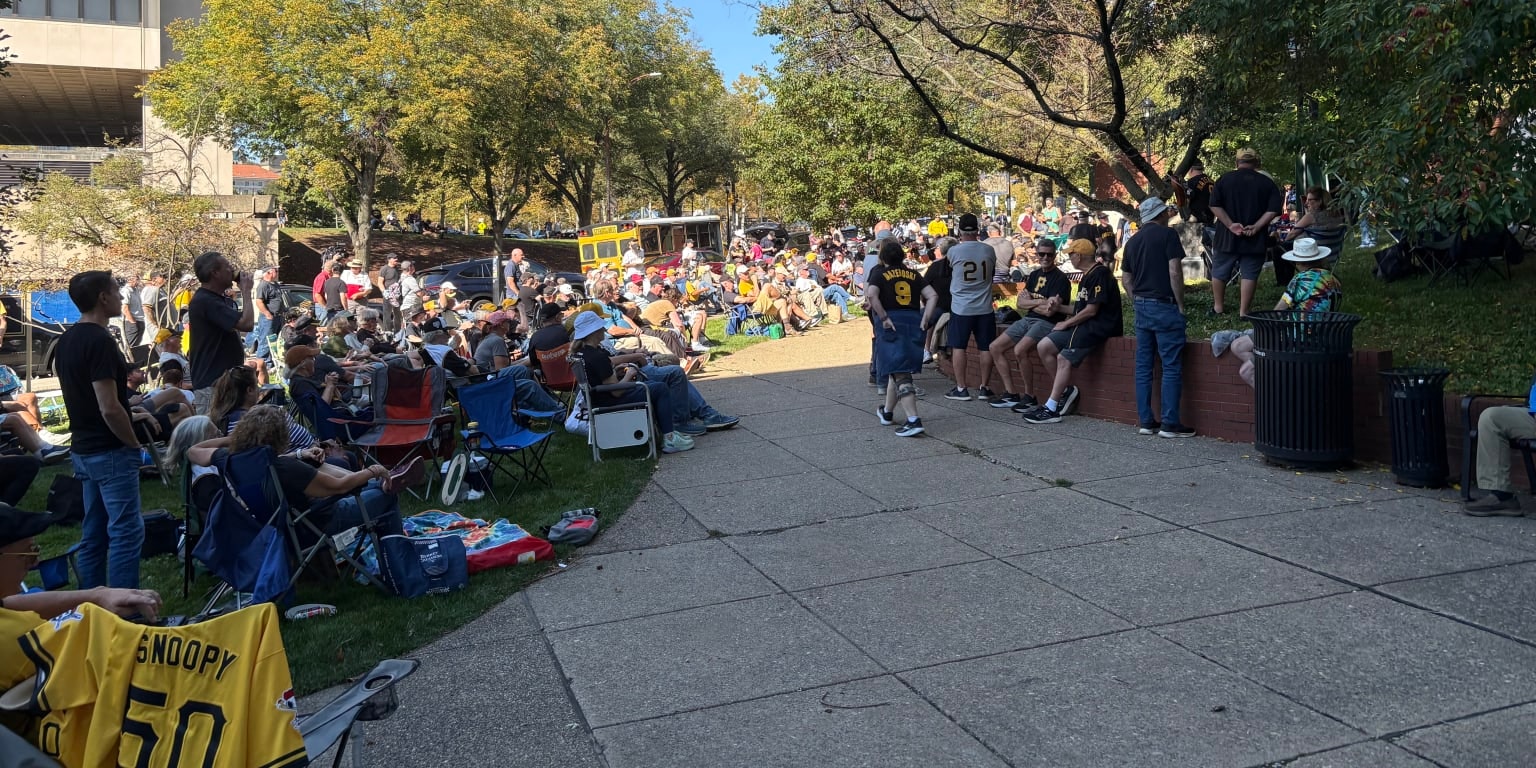
On Tuesday afternoon, Brady Peck was walking toward Mervis Hall on the University of Pittsburgh campus when he noticed something that looked and sounded like baseball, even though his destination was not a ballpark. Hundreds of people had gathered near the Forbes Field wall, listening as a game played out nearby. Peck, a junior from Glen Rock, New Jersey, said he was taken aback by the crowd and asked around quickly, learning that the scene was tied to a Pittsburgh Pirates tradition that continues to resonate years after the 1960 World Series.
The 1960 World Series is often remembered as a defining title in Pirates history, but this campus gathering shows how the memory can live outside conventional celebrations. According to MLB’s report, Peck’s brief detour turned into an encounter with a community that treats remembrance as something communal, not museum-like. The tradition, anchored by the Forbes Field wall landmark, is structured around the act of listening to baseball together, with the Pirates name and the 1960 championship legacy serving as the connective tissue.
Peck’s reaction is telling in its simplicity. He did not arrive looking for history, but once he saw the crowd and heard the game, he sought context. That search is part of what sustains the tradition. When hundreds show up in a public space to follow a baseball broadcast, it indicates that the Pirates’ past remains active, something that invites curiosity and participation rather than staying fixed in the record book.
For Pittsburgh fans, a tradition like this also functions as a bridge between generations. The Pirates’ fan base spans alumni, students, longtime residents, and visitors, and a setting like Pitt’s campus naturally brings in new people who may not know the local baseball geography or its commemorative markers. Peck’s account, as relayed by MLB, frames the tradition as accessible, even casual at first glance, before it reveals its deeper purpose.
The scene near the Forbes Field wall also highlights why baseball culture in Pittsburgh can feel distinct. This is a city where the geography of the sport matters, where physical reminders of earlier eras can draw modern attention. The tradition described by MLB does not rely on a formal schedule or a ticketed event, at least as portrayed in the report. It relies on people showing up, forming a crowd, and treating the game of the day as part of a longer story.
The immediate next question, for both fans and observers, is what traditions like this mean in a modern postseason environment. As the current season’s baseball landscape evolves, communities will continue to look for ways to anchor themselves. In this case, Pirates supporters are doing it by connecting today’s listening experience to a championship era that still holds meaning locally. If Peck’s experience is any indication, the tradition’s durability may come from its ability to convert passersby into participants through sheer visibility and communal atmosphere.
Why It Matters
- It demonstrates how the Pirates’ 1960 World Series legacy continues to shape fan culture beyond formal postseason moments.
- A visible, public gathering can help new fans learn local baseball history quickly and join a shared ritual.
- The Forbes Field wall setting underscores how Pittsburgh’s sports memory is tied to place, not just teams and seasons.
Sources
Key Facts
- Brady Peck walked toward Mervis Hall on the University of Pittsburgh campus and noticed hundreds of people gathered near the Forbes Field wall listening to a baseball game.
- Peck is a junior from Glen Rock, New Jersey, and he asked around to learn about the Pittsburgh tradition tied to the Pirates.
- MLB reported that the gathering is connected to the Pittsburgh Pirates’ 1960 World Series celebration tradition.
- The tradition takes place in a public campus area rather than inside a conventional ballpark setting.