
THE APEX TIMES
Pirates’ quiet night vs. Brewers follows Trade Deadline pitching focus, as Spencer Horwitz looks ahead
Milwaukee provided a bullpen-and-batting test for Pittsburgh, where the conversation after the deadline has been dominated by pitching upgrades, even as offense ran short of answers.
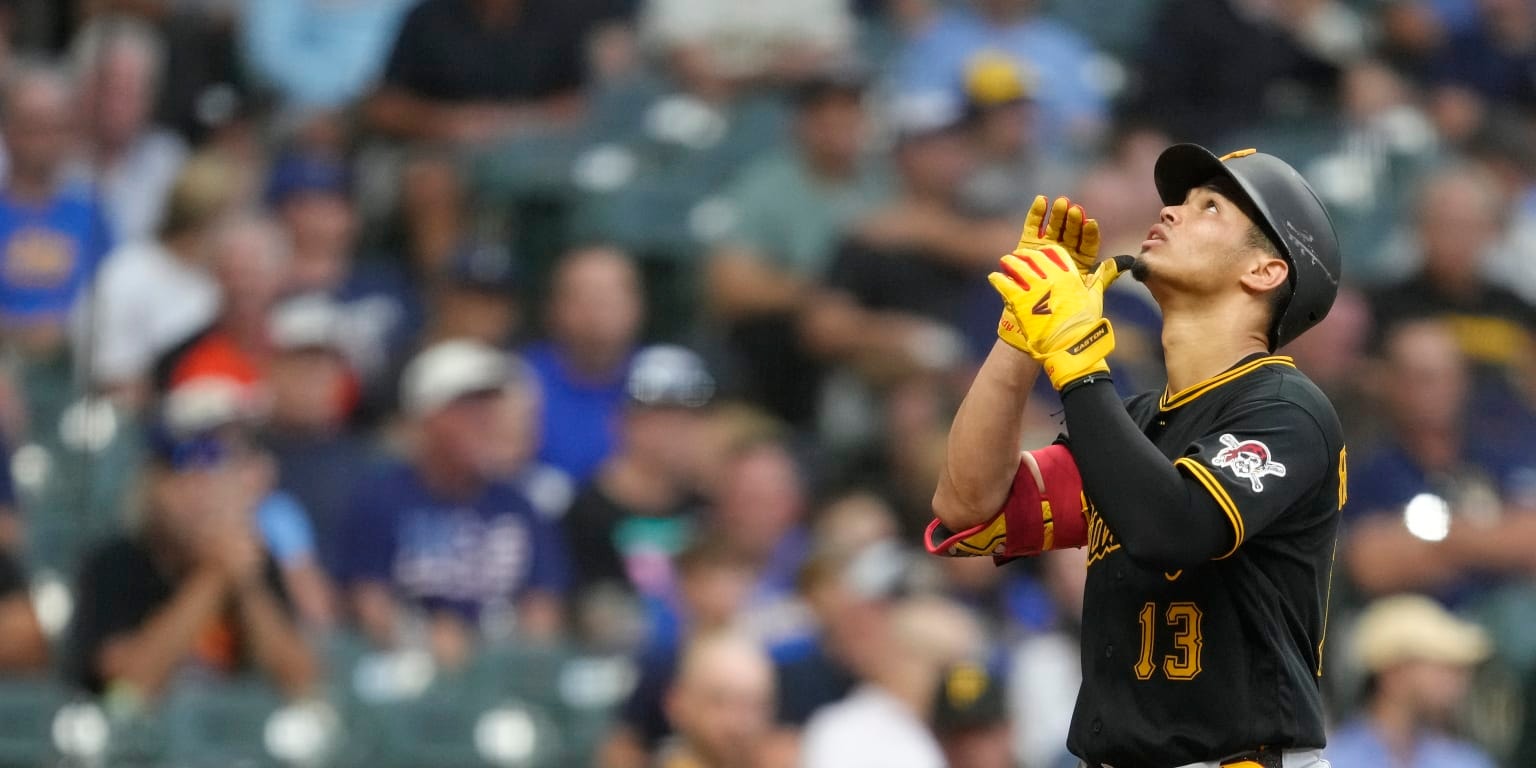
The Pirates came into their matchup against the Brewers with a different kind of emphasis than the one that typically follows a Trade Deadline. According to MLB’s recap of the game, most of the talk in Pittsburgh after the deadline centered on pitching, and the next chapter of that storyline played out in Milwaukee. In the contest, aside from two solo home runs, Pittsburgh kept things relatively quiet offensively, leading to an uneven night that left its recent scoring form in focus.
Spencer Horwitz, speaking on the additions and what they are expected to change, offered a blunt assessment of where the club is right now. He acknowledged that while the Pirates’ offense has been strong at times, it has been “scuffling recently,” and he framed the pitching-minded additions as a direct way to help the team endure through stretches when scoring is harder to come by. The point was less about instant perfection and more about staying competitive across variance in batted-ball luck and run production.
Horwitz’s comments fit a common mid-season adjustment: when a team’s run scoring is inconsistent, the margins tighten. For Pittsburgh, that means every outing becomes a test of whether the staff can limit damage and keep the offense within striking distance, especially in games where a couple of homers are not followed by sustained traffic on base. Against Milwaukee, the Pirates’ ability to convert more innings into runs fell short beyond those solo shots.
The game also served as a reminder of how quickly “fixes” can be evaluated in baseball. Trade Deadline moves do not change the basics of a night at the plate, but they can reshape the team’s expectations for how much it has to score to win. If Pittsburgh’s pitching depth and leverage arms can keep the bullpen clean late, the offense can afford more off nights without the whole game collapsing.
Still, it is only one game, and the takeaway is necessarily cautious. Two solo homers suggest the Pirates can create impact, but their inability to string multiple scoring opportunities together points to the broader theme Horwitz raised: the team has not been reliably driving run totals during recent stretches. For a club building through the summer, the question is whether the pitching improvements reduce the cost of those offensive dry spells.
Looking ahead, the immediate watch is whether Pittsburgh’s pitching help translates into more consistent late-inning performances against varied opponents. If the staff can routinely keep run production low enough, the offense’s longer-term rhythm can reassert itself, even when a game starts to feel like a one-hit, one-opportunity affair.
For Milwaukee, the win and the way the Pirates’ offense was contained beyond two homers underline the competitive reality of the stretch: even when a team is adjusting its roster, execution at the margin still decides games. For Pittsburgh, the next test will be whether it can combine its improved pitching focus with steadier at-bats, turning “scuffling” into more nights where rallies go beyond the home run.
In that sense, Horwitz’s framing is the key hinge. The Pirates are not only asking for better pitching. They are trying to make sure the team’s ceiling is accessible even when run scoring is not happening the way it has at its best. How quickly that shows up will likely matter as the season moves toward its late-summer playoff picture.
Why It Matters
- Pitching-focused roster changes often change the minimum run threshold a team needs to win, and this game reflected that pressure.
- When a team’s offense is inconsistent, one- or two-shot innings become less forgiving, increasing the value of bullpen reliability.
- The Pirates’ ability to translate Trade Deadline moves into more stable outcomes will be tested repeatedly in games like this one.
- Horwitz’s comments highlight that Pittsburgh’s plan is as much about season-long endurance as it is about isolated improvements.
Key Facts
- MLB’s recap of Pittsburgh’s game in Milwaukee described a largely quiet offensive night for the Pirates beyond two solo home runs.
- The same recap said the Pirates’ Trade Deadline conversation centered on pitching.
- Spencer Horwitz discussed the additions by tying them to helping the team endure through recent offensive inconsistency.
- Horwitz said the offense has been great at times but has been scuffling recently.