
THE APEX TIMES
Pirates seek separation in a brutal stretch, pointing to offense as the difference
With the season past the 85-game mark and Pittsburgh back to .500, the Pirates are leaning on a run-producing identity as they measure themselves against top-tier opponents, starting with their recent record against the Phillies.
Pittsburgh is at an instructive point in its season. Eighty-five games into 2026, the Pirates are at.500, and they are trying to turn “good” into postseason-caliber. The latest step in that process comes against Philadelphia, where the Pirates’ success has become a kind of measuring stick: when they can handle a contender, it suggests the ceiling may be higher than a rebuilding arc.
The Pirates’ season urgency is straightforward. Breaking a 10-year playoff drought is not simply a storyline, it is the longest active stretch in the National League, and time is tightening as June turns into the start of the playoff chase. Pittsburgh’s current placement and form matter most in the context of who they have to beat to get there, because in the NL, the race is often decided by results against other playoff-caliber teams rather than against the league average.
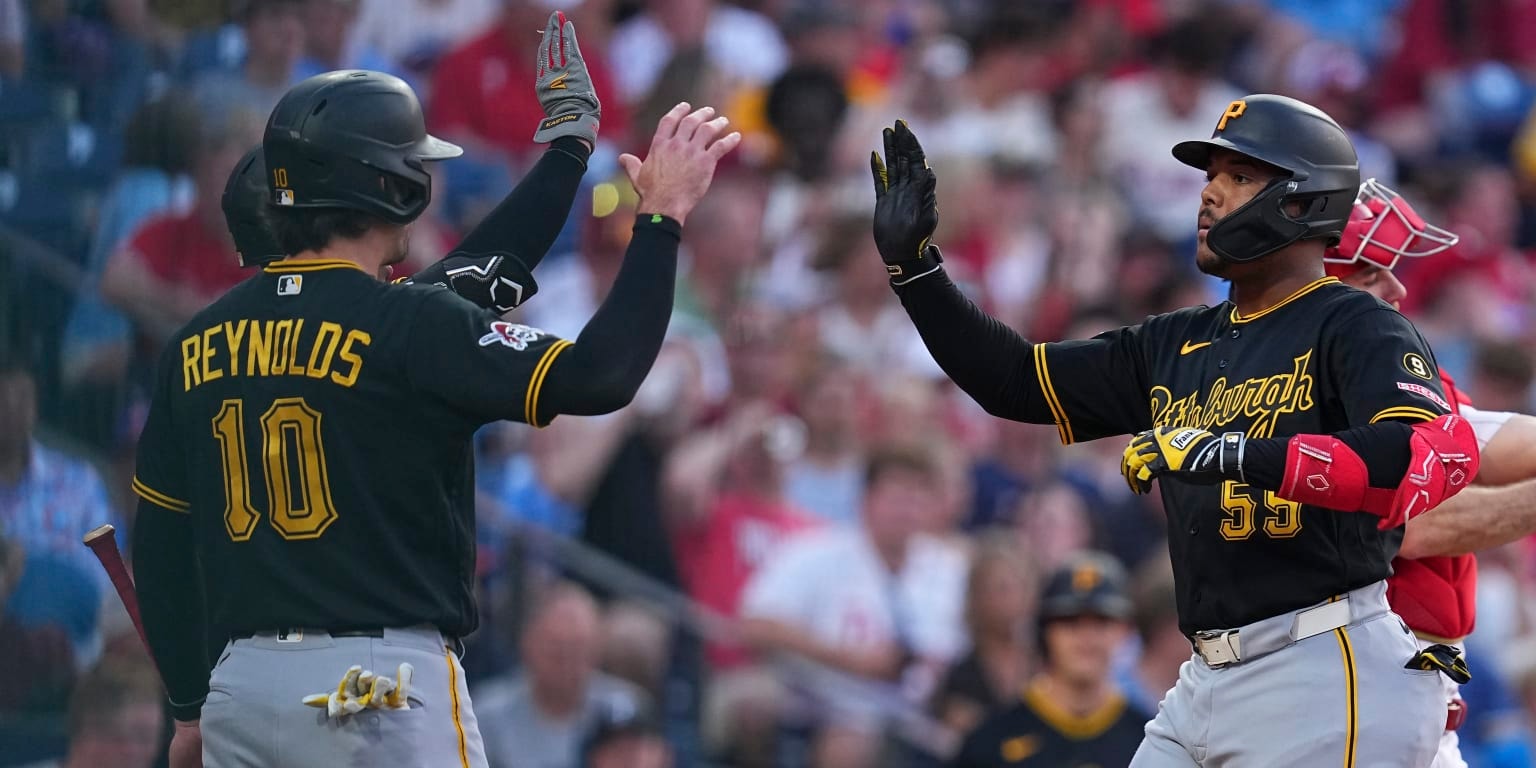
In discussing their approach and what has been clicking on offense, Pittsburgh leaders have emphasized their ability to sustain pressure once the game tilts in their direction. A key theme in the Pirates’ own coverage is the group’s perceived growth, with the team pointing to the run of production as something that has stood out even within the staff’s own frame of reference. In that context, the Pirates have characterized the offense as their best unit they have been part of.
That kind of internal assessment is usually aimed at one thing: consistency. In a long season, an offense that looks good for a week still needs to be able to score when opponents change plans, pitchers adjust, and bullpens get loaded for leverage innings. The Pirates have tried to build credibility in that regard by putting together results against higher-end competition, and their recent success versus the Phillies is being treated as proof of concept.
Philadelphia is not just another opponent, and the Pirates know it. The Phillies are part of the same championship ecosystem that tends to dominate late-season matchups, so Pittsburgh’s ability to claim wins and keep the run line moving is a direct test of whether the Pirates can execute beyond friendly matchups. It is also a reminder that the postseason is earned through cumulative work, not isolated offensive bursts.
What to watch next is how Pittsburgh performs when the schedule becomes less forgiving and the opposition is more likely to treat the Pirates’ strengths as deliberate targets. If the Pirates’ offense keeps producing while the team plays clean baseball in pressure situations, the.500 baseline can become something more meaningful. If results dip, it will not necessarily mean the Pirates’ identity is wrong, but it would indicate that turning “best offense” talk into playoff-level reliability is still the central question.
Why It Matters
- At.500 with most of the season remaining, Pittsburgh’s ability to win key games against contenders will shape its postseason viability.
- A 10-year drought sets a high bar internally, so performance in matchups versus top opponents carries outsized importance.
- If the Pirates can translate offensive strength into repeatable results, it improves their odds of overtaking rivals in the NL race.
- Sustained success against teams like the Phillies is often a predictor of late-season performance, not just early-season progress.
Key Facts
- The Pirates are 85 games into the 2026 season and are at.500.
- Pittsburgh’s playoff drought is 10 years, the longest active streak in the National League.
- The team’s current storyline centers on its ability to beat strong opponents.
- The Pirates are highlighted for their winning record against the Phillies.
- The Pirates have characterized their offense in highly positive terms in coverage tied to their push.