
THE APEX TIMES
Plate-discipline tweak in the Braves series helped Pete Crow-Armstrong earn an NL All-Star spot again
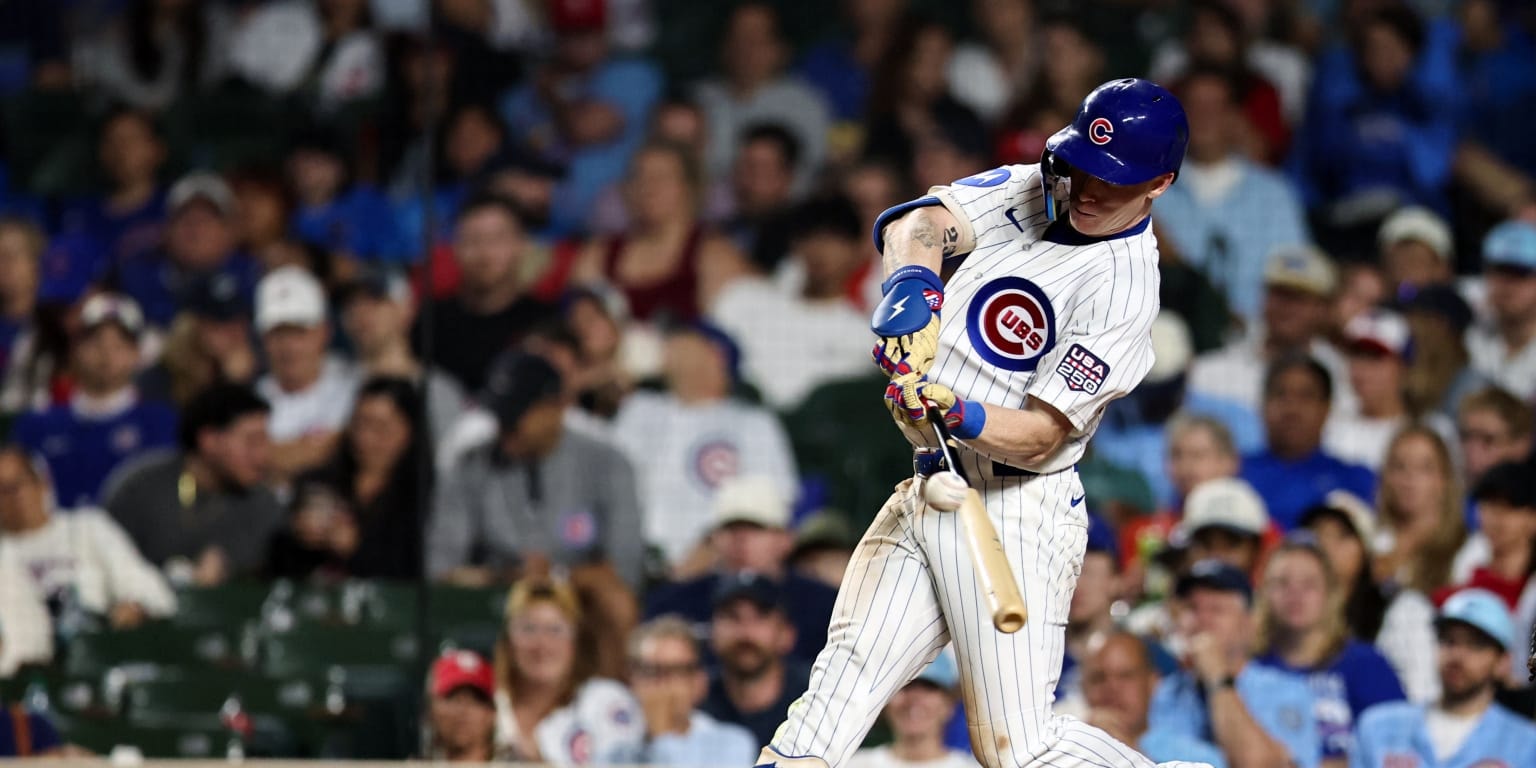
A lesson delivered in an Atlanta at-bat turned into a broader plan in the Cubs’ lineup, fueling an extended surge that culminated in Pete Crow-Armstrong’s second straight National League All-Star selection.
Pete Crow-Armstrong’s second straight National League All-Star nod has a simple origin story: it started with a specific pitching matchup, and it was reinforced by a veteran’s challenge to turn advice into a repeatable at-bat plan. During the Cubs’ trip to Atlanta in May, Crow-Armstrong faced Braves closer Raisel Iglesias, a reliever known for leaning on his fastball and changeup rather than his slider, especially against left-handed hitters.
In that May appearance, Iglesias broke his usual script, throwing a first-pitch slider to Crow-Armstrong, who ended the sequence by popping out over the infield for the final out of the contest on May 13. When the Cubs returned home, Alex Bregman pulled the center fielder aside and used that plate appearance as a teaching moment. The point was not about guessing what a pitcher “should” throw, but about staying disciplined with a plan for the pitch or location the hitter is targeting, even when the first pitch differs from the expectation.
Crow-Armstrong described the concept as something that “clicked” after it was explained the way it was, suggesting the message resonated not because the idea was brand-new, but because it was tied to a concrete moment from a real game. According to the MLB account, Bregman asked him to make it into a kind of game in the days ahead, turning the approach into a habit he could execute every time he entered the box. The approach he adopted emphasized holding to the plan based on the specific strike-zone “crosshairs” for that at-bat, rather than wavering mid-sequence if a pitch arrives differently than anticipated.
None of this was portrayed as a single mechanical fix. The release framed it as renewed plate discipline and a sharper focus on decision-making pitch to pitch. That shift set up a stretch of offense in June that MLB characterized as historic for the Cubs center fielder. Crow-Armstrong then carried that momentum into the All-Star conversation, ultimately securing a place on the National League roster for a second straight season.
By the time the Cubs were heading into the final road trip of the first half, Crow-Armstrong’s production illustrated the scale of the run MLB highlighted. Through 90 games, he was hitting.292 with 19 home runs, 14 doubles, four triples, 49 RBIs, 23 stolen bases, and a.910 OPS. The combination matters because it links patience and contact quality to impact swings and baserunning output, which is difficult to sustain without an at-bat plan that a hitter can trust under pressure.
Bregman’s praise, as reported by MLB, offered additional context on why the Cubs believed in the adjustment. He told reporters that what Crow-Armstrong had done was “so special to watch” and that he felt the center fielder could do it for “a long, long time,” underscoring the team’s view that the improvement was not fleeting. For the Braves, Iglesias’s decision to throw a first-pitch slider against a left-hander, only to be met by Crow-Armstrong’s controlled response, also shows how the adjustment plays out against the highest-leverage opponents.
What to watch next is whether the “specific plan, no wavering” mindset holds under the same pressure that defined the All-Star selection period. If Crow-Armstrong continues to translate his approach into both power and on-base damage while facing late-inning arms, the Cubs’ lineup stability will rest more on repeatable decisions than on pure streakiness. For Iglesias and the Braves, the matchup reinforces a familiar truth from bullpen baseball: when a hitter has a clear process, even a surprise pitch can lose its edge.
Why It Matters
- Crow-Armstrong’s All-Star selection highlights how marginal plate-discipline adjustments can translate into sustained multi-skill offensive production.
- The storyline connects bullpen matchups to lineup development, showing how a single high-leverage sequence can shape a broader hitting identity.
- A center fielder producing power and baserunning adds leverage to the Cubs’ run creation, especially as late-inning opponents tighten their pitching plans.
- For the Braves, the Iglesias-Crow-Armstrong matchup underscores that even rare pitch usage can be neutralized by hitters who stay anchored to an at-bat plan.
Key Facts
- Pete Crow-Armstrong earned his second straight National League All-Star selection as a result of an offensive surge that began after a teaching moment in Atlanta.
- During the Cubs’ May trip to Atlanta, Crow-Armstrong faced Braves closer Raisel Iglesias on May 13 and popped out over the infield for the final out.
- MLB reports Iglesias typically relies on fastball and changeup, rarely using his slider against a left-handed batter, but he threw a first-pitch slider in that at-bat.
- After that game, Alex Bregman offered veteran insight and challenged Crow-Armstrong to turn the lesson into a repeatable “game” approach.
- The described plan centered on staying disciplined with the specific targeted pitch or part of the strike zone for each at-bat, without wavering even if the first pitch comes differently.
- Through 90 games heading into the final road trip of the first half, Crow-Armstrong hit.292 with 19 home runs, 14 doubles, four triples, 49 RBIs, 23 steals, and a.910 OPS.