
THE APEX TIMES
Players Alliance dinner in Philadelphia lifts up Black baseball legends, and the cost of safety
At a gathering honoring the game’s history, Phillies broadcaster Richard Allen looked back on how his father, Hall of Famer Dick Allen, navigated threats and scrutiny, and how that legacy still shapes conversations around players’ wellbeing.
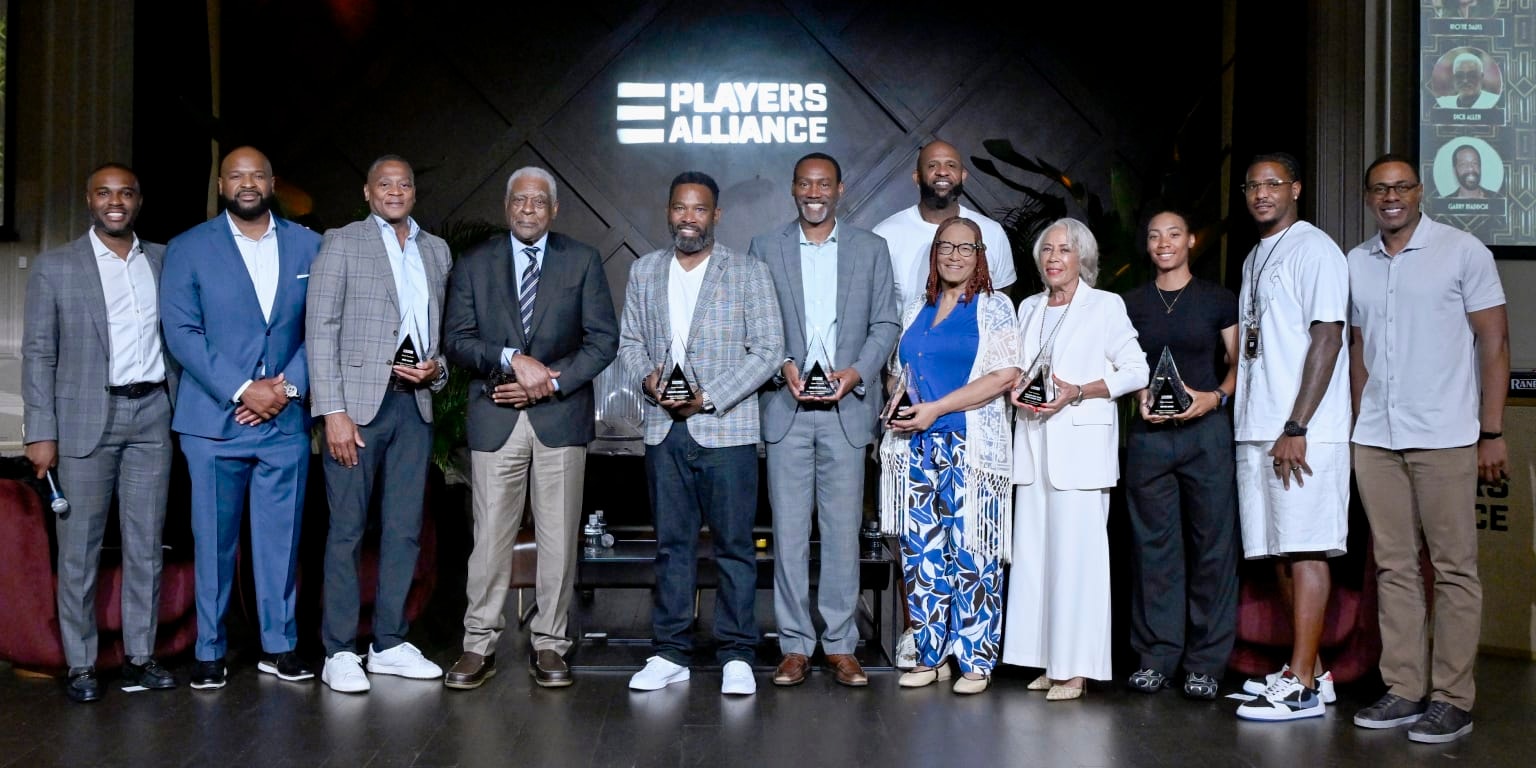
PHILADELPHIA, July 15, 2026, a Players Alliance dinner honored Black baseball greats by turning personal memory into a public tribute. For Richard Allen, the night was not only about celebrating the talent of the men who came before, but also about describing what it took to stay in the game when the world outside it could feel hostile or unsafe.
Allen, a longtime baseball voice and the son of Phillies legend Dick Allen, said he still remembers the sound of rocks crashing through his family’s windows. In the account, the threats were not distant or abstract. They arrived in a way that changed daily life, including Allen’s description of his father avoiding the mailbox because of death threats that came to the family.
The dinner’s focus on Black history in baseball came with a reminder that the spotlight has never been neutral. Allen described criticism his father sometimes faced for what others interpreted as a lack of commitment, specifically when he occasionally skipped batting practice out of concern for his safety. The story frames a familiar tension in sports, performance expectations versus personal risk, and it underscores how public narratives can miss the private math an athlete must make.
Dick Allen’s name carries weight because he is remembered for both excellence and for confronting barriers in an era when racial equality in professional sports was still far from assured. By centering Allen’s family experience, the ceremony connected the past to present conversations about how players are protected, supported, and understood, especially when their decisions reflect fear rather than indifference.
Players Alliance, an organization known for amplifying the perspectives of current and former players and for advocating broader recognition of those contributions, used the evening to spotlight legacy through stories rather than statistics alone. In Allen’s telling, the honor was not celebratory amnesia. It was a careful account of what greatness can cost when a player’s body and home life are both subject to harassment.
The broader point for baseball, beyond one family’s story, is that preparation routines and on-field behaviors cannot be separated from a player’s environment. A decision that looks like a routine skip can carry a safety rationale, and a threat can distort more than a calendar. It can distort trust, routines, and the sense that participation in the sport is freely chosen rather than tolerated.
What to watch next is how teams and leagues treat the off-field realities that shape performance and availability. Even when clubs do everything they can, players’ experiences are shaped by security, community support, and how quickly concerns are addressed. The message that emerged from the dinner was that remembering the legends also means respecting the conditions under which they played.
Why It Matters
- It highlights how personal safety concerns can affect player preparation and public interpretation of routine decisions.
- It connects historical Black baseball contributions to present-day discussions about player wellbeing and support.
- It broadens the definition of legacy beyond performance by emphasizing the threats and scrutiny that shaped careers.
- It raises an ongoing question for MLB: how effectively are players’ concerns about safety understood and addressed.
Key Facts
- The Players Alliance held a dinner in Philadelphia honoring Black baseball greats.
- Richard Allen spoke about family memories connected to threats directed at his father, Phillies legend Dick Allen.
- Allen described death threats reaching his family and his father avoiding the mailbox due to those threats.
- Allen said his father sometimes faced criticism for occasionally skipping batting practice because of concern for his safety.
- The event used personal stories to frame baseball legacy as more than on-field achievement.