
THE APEX TIMES
Portland City Council backs $120 million for Moda Center renovations, keeping lease talks with Tom Dundon in focus
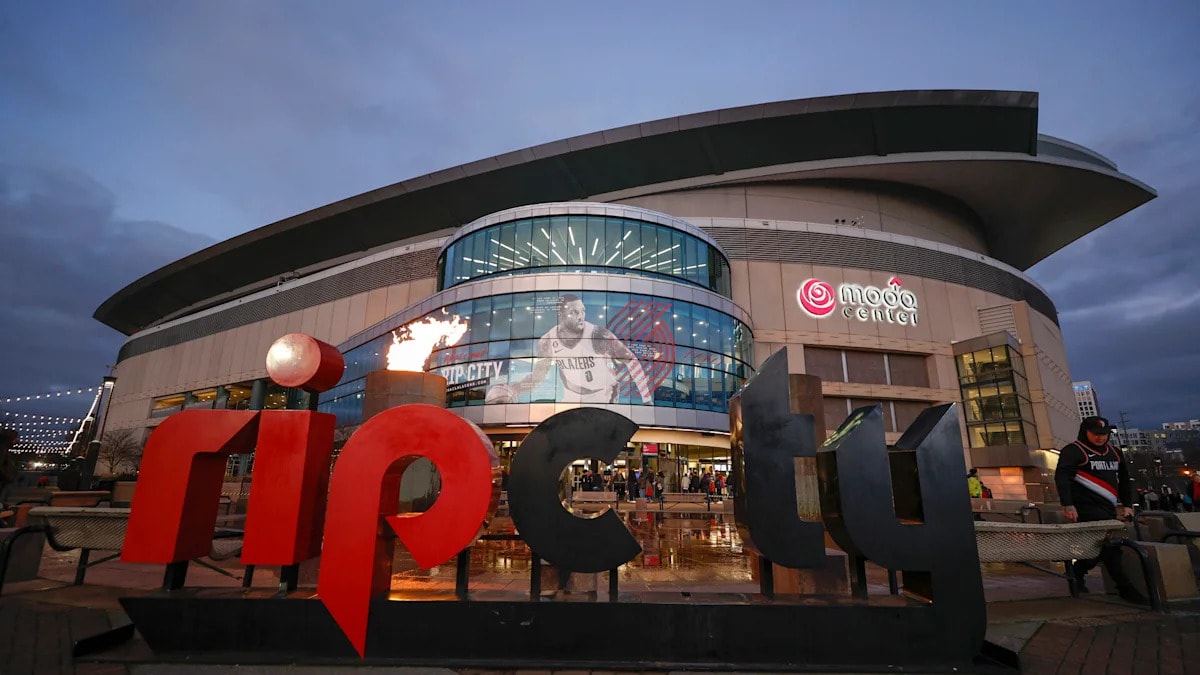
The Portland City Council has approved $120 million to help fund major upgrades at the Moda Center, home of the Portland Trail Blazers. The approval adds to already-approved state and county funding, bringing the renovation pool to $586 million, while negotiations over the team’s new lease are expected to continue into December.
Portland’s City Council has approved $120 million toward renovations at the Moda Center, a project tied directly to the Portland Trail Blazers’ long-term footprint in the city. The arena, long considered in need of upgrades, sits at the center of a broader financing plan that now totals $586 million when combined with state and county money already approved. The council action does not end the process, however. It also keeps the team-owner lease negotiations in the spotlight, with talks over lease terms reported to be expected to continue into December.
According to the report, the City Council’s latest vote is part of a funding package designed to cover what the public discussions have characterized as “much-needed renovations” to the venue. The timing matters because renovation schedules depend on governance and implementation details, and major arena work usually requires clear alignment between the public entities financing improvements and the team operating the facility.
The Trail Blazers’ situation is further complicated by the fact that the renovation funding and lease terms are intertwined. The question raised by the timing of the council vote is whether owner Tom Dundon will agree to a new lease arrangement that matches the scope of the improvements. In many arena projects, the public partners’ willingness to advance capital plans can hinge on the team’s commitments, including the duration and structure of tenancy and the practical terms under which the arena will be used during and after construction.
The report frames the coming months as a continuation of negotiations rather than a conclusion. It notes that lease discussions are expected to extend into December, suggesting that the council approval is best viewed as a step in the process that enables renovation planning while the legal and financial relationship between the city and the team remains under active negotiation.
A key detail in the coverage is the overall size of the renovation pool. The $120 million from the City Council is described as adding to already-approved state and county funds, producing a combined total of $586 million. That magnitude indicates that the work is expected to be substantial rather than incremental, which in turn increases the likelihood that lease terms will need to reflect responsibilities for construction impacts, operational control during the renovation window, and longer-run facility commitments.
The city funding vote also underscores the political and community stakes that accompany large public spending decisions tied to professional sports. Even when the need for upgrades is widely acknowledged, the public policy question often centers on what taxpayers receive in return, how long the franchise’s presence will be guaranteed, and whether the project protects the city’s financial interests over the life of the lease.
For the Trail Blazers, the near-term focus is not on play on the court, but on securing the off-court conditions that will shape the arena’s future. The franchise’s ability to move forward with a finalized tenancy agreement can determine how quickly planners can convert funding approvals into construction commitments, timelines, and operational readiness. In the coming weeks, eyes will likely track whether the negotiation pace that is expected to continue into December results in a lease framework that satisfies the public financing partners.
Until lease terms are agreed, the renovation financing remains a critical but incomplete chapter. The City Council’s approval can provide momentum, yet the outcome still depends on negotiations between the city and the ownership group, and on whether the final agreement addresses the issues that typically accompany large-scale facility redevelopment.
Why It Matters
- Arena renovation funding and lease terms can directly affect how fast a venue’s modernization moves from planning into construction.
- Unresolved tenancy agreements can delay or reshape facility timelines, which in turn influences event scheduling and operational planning for a team’s seasons.
- Public spending decisions tied to major sports venues often hinge on the long-term commitment a franchise makes to the host city.
- For the Trail Blazers, finalizing the lease framework is a foundational step in securing the arena’s future viability as the franchise’s home base.
Sources
Key Facts
- Portland City Council approved $120 million for renovations at the Moda Center.
- The Moda Center is the home arena of the Portland Trail Blazers.
- When combined with already approved state and county funds, the renovation total described is $586 million.
- Negotiations over the Trail Blazers’ lease terms are reported to be expected to continue into December.
- The report links the council approval to the question of whether owner Tom Dundon will sign a new lease arrangement.