
THE APEX TIMES
President Donald Trump tells Senate Republicans to prioritize an election bill after housing deal is shelved amid Iran War scrutiny
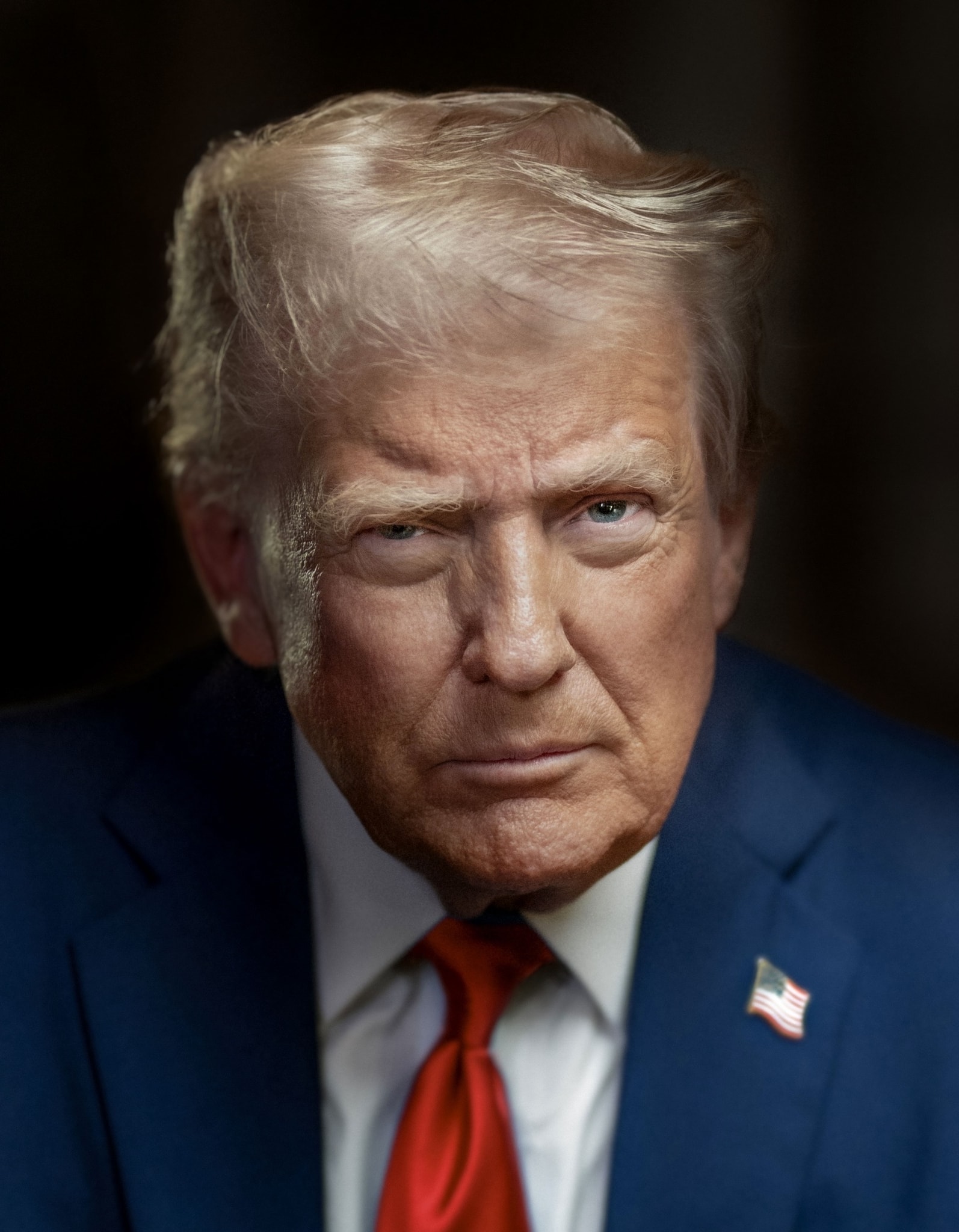
During a Wednesday trip to Capitol Hill, President Donald Trump pressed Senate Republicans to focus on an election measure as frustrations grew within the conference over his administration’s handling of the Iran War, according to NPR.
President Donald Trump visited Capitol Hill on Wednesday and urged Senate Republicans to prioritize an election bill, after friction developed within the chamber over the administration’s Iran War approach. The president’s push for immediate action on election legislation came as several Senate Republicans questioned his management of the war, NPR reported.
According to NPR, Trump’s Capitol Hill meeting occurred in the same window as lawmakers were recalibrating their schedule after the president scrapped plans to sign a bipartisan housing affordability bill. The decision left housing negotiations in limbo, while the president directed attention to election policy priorities in the Senate.
NPR reported that the Senate Republicans who met with Trump were upset about his Iran War handling. The exchange highlighted how foreign policy scrutiny inside the Republican conference can spill into domestic legislative bargaining, including negotiations that rely on coordinated timing and unified messaging from the president and Senate leadership.
The election bill at the center of Trump’s message was not described in the NPR account with a bill number or specific statutory provisions. However, the report indicates the president framed the measure as a near-term priority for Republicans in the Senate, linking legislative timing to the administration’s broader agenda-setting on major policy issues.
The housing affordability bill referenced by NPR had been positioned as a bipartisan effort that Trump was expected to sign. By dropping the planned signing, the White House indicated that housing affordability legislation would not move forward on the schedule previously discussed with lawmakers, leaving the bipartisan package without a clear next step in the immediate term.
The NPR report also situates Trump’s Wednesday lobbying effort within an environment where Senate Republicans are operating under internal pressure to respond to war-related concerns while maintaining legislative momentum on domestic priorities. In practice, the episode underscored how a single presidential visit to the Capitol can become a focal point for multiple agenda threads.
It was not immediately clear from NPR’s account what specific procedural path Senate Republicans intended to use to advance the election bill, or whether leadership had lined up committee action, floor scheduling, or companion legislation in response to the president’s request. A further development would likely depend on the Senate’s willingness to align on timing, the willingness of key members to resolve remaining disputes, and the administration’s willingness to re-engage on the shelved housing proposal.
Why It Matters
- The episode shows how foreign policy scrutiny, specifically Iran War concerns, can affect domestic legislative timelines and caucus coordination in the Senate.
- Shelving plans to sign a bipartisan housing affordability package may prolong uncertainty for lawmakers and complicate near-term implementation planning tied to affordability measures.
- A Senate push on election legislation, as urged by the president, indicates that election administration or election-related policy will remain a prominent item for Republican-led negotiation in the chamber.
Sources
Key Facts
- President Donald Trump urged Senate Republicans on Wednesday to prioritize an election bill, according to NPR.
- NPR reported that Senate Republicans expressed frustration with Trump’s Iran War handling during the same Capitol Hill engagement.
- NPR said Trump scrapped plans to sign a bipartisan housing affordability bill.
- The NPR account did not provide a bill number or specific details of the election legislation.
- NPR linked the president’s election-legislation push to an agenda environment shaped by war-related scrutiny and domestic schedule shifts.