
THE APEX TIMES
Purple Row After Dark spotlights Rockies’ most memorable pitches as MLB marks America 250
As MLB’s America 250 celebration unfolds, a new “top nasty pitches” list invites Rockies fans to debate which pitch best captures the franchise’s edge.
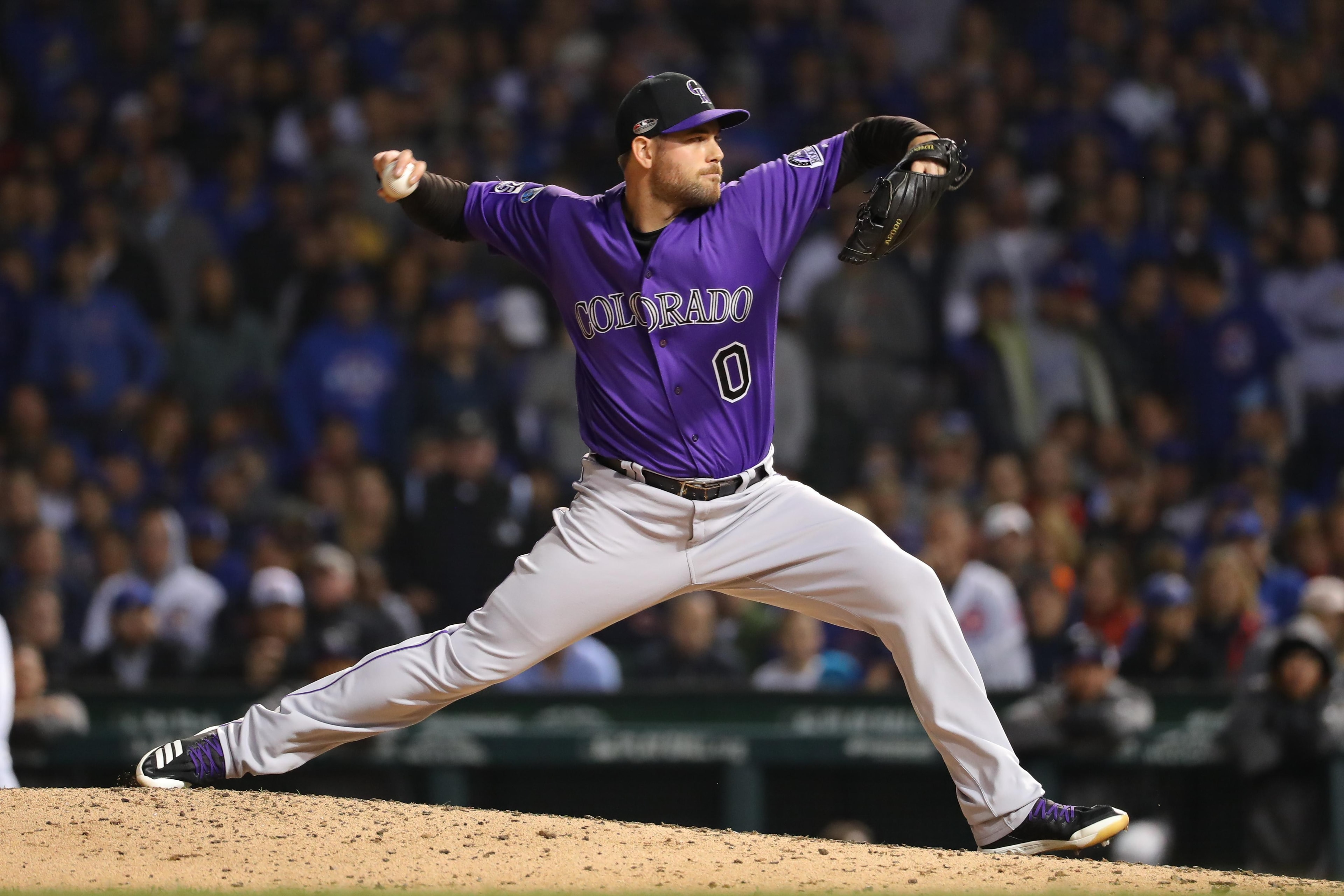
MLB’s America 250 commemoration has moved beyond ballpark anniversaries and into baseball trivia, with the league’s content team rolling out a series of ranking-style features on some of the game’s nastiest offerings. In the latest installment, “Purple Row After Dark: Iconic Rockies Pitches,” the focus turns to Colorado, asking a simple question: what pitch or style sticks out most when you think about the Rockies’ history of pitching.
The format is built around celebration-driven lists. The article frames the series as an ongoing set of multiple “top-10” entries meant to honor how the sport has evolved and which pitch types have defined different eras and teams. The specific Rockies version continues that idea, but it also sets up the debate by contrasting what baseball fans commonly remember from other franchises’ signature weapons.
The piece points to pitch icons from elsewhere in MLB lore, citing Nolan Ryan’s fastball, Clayton Kershaw’s curveball, and Mariano Rivera’s cutter as examples of widely recognized “nastiest pitch” traditions. Against that backdrop, it asks Rockies followers to decide what belongs in their own conversation and whether the franchise’s environment, coaching philosophies, and pitcher development have produced a defining pitch that feels uniquely Colorado.
There is a wider context to this type of content during a milestone season. America 250, as presented in the article, is not simply an all-team highlight reel, but a chance for the sport to look back at what made individual players and specific pitching arsenals endure in memory. For a franchise like the Rockies, that matters because the question of “best pitch” often intersects with the Rockies’ broader identity, including how pitchers adjust to Coors Field’s atmosphere and how the team’s pitching staff has tried to shape hitters’ timing with spin and location.
Still, readers should treat this as a fan-facing ranking conversation rather than an official statistical reckoning. The source presented here emphasizes the idea of memorability and selection-style lists, not a quantified, leaguewide measure of pitch effectiveness. If you follow the Rockies specifically, the value is likely less about discovering a single factual “answer” and more about hearing which pitching moments the writers and audience consider most representative of the franchise’s best instincts.
What to watch next is whether MLB’s series leans further into Rockies-specific eras and names in subsequent entries, and whether the “Purple Row After Dark” format expands the range of pitch types credited to Colorado. For Rockies fans, the immediate payoff is the conversation itself, because it ties together three themes that define the franchise’s long-running pitching discussion: how pitchers create deception, how they manage swing decisions, and how they translate pitch craft into big-league results at the highest profile level.
Why It Matters
- It keeps a milestone-season spotlight on the pitching craft that shapes baseball identity, not just team records.
- For the Rockies, a “signature pitch” conversation reflects how the franchise’s development priorities and home environment influence pitching style.
- The format encourages fan engagement and retrospective discussion, which can help widen attention to players who might not be part of mainstream pitch lore.
- Future installments could further define how MLB’s America 250 programming connects eras, teams, and specific pitch types.
Key Facts
- MLB is producing a series of celebration-themed top-10 style lists tied to America 250.
- The featured installment is titled “Purple Row After Dark: Iconic Rockies Pitches” and focuses on the Colorado Rockies’ most memorable pitch history.
- The article frames MLB’s series using examples of famous pitch weapons from other teams, including Nolan Ryan’s fastball, Clayton Kershaw’s curveball, and Mariano Rivera’s cutter.
- The Rockies installment uses the franchise as the prompt for reader debate about which pitch stands out most in team history.
- The piece emphasizes baseball memory and pitching character more than statistical analysis.