
THE APEX TIMES
Quatraro ejected after balk call reversal as Royals lose in tense, back-and-forth sequence
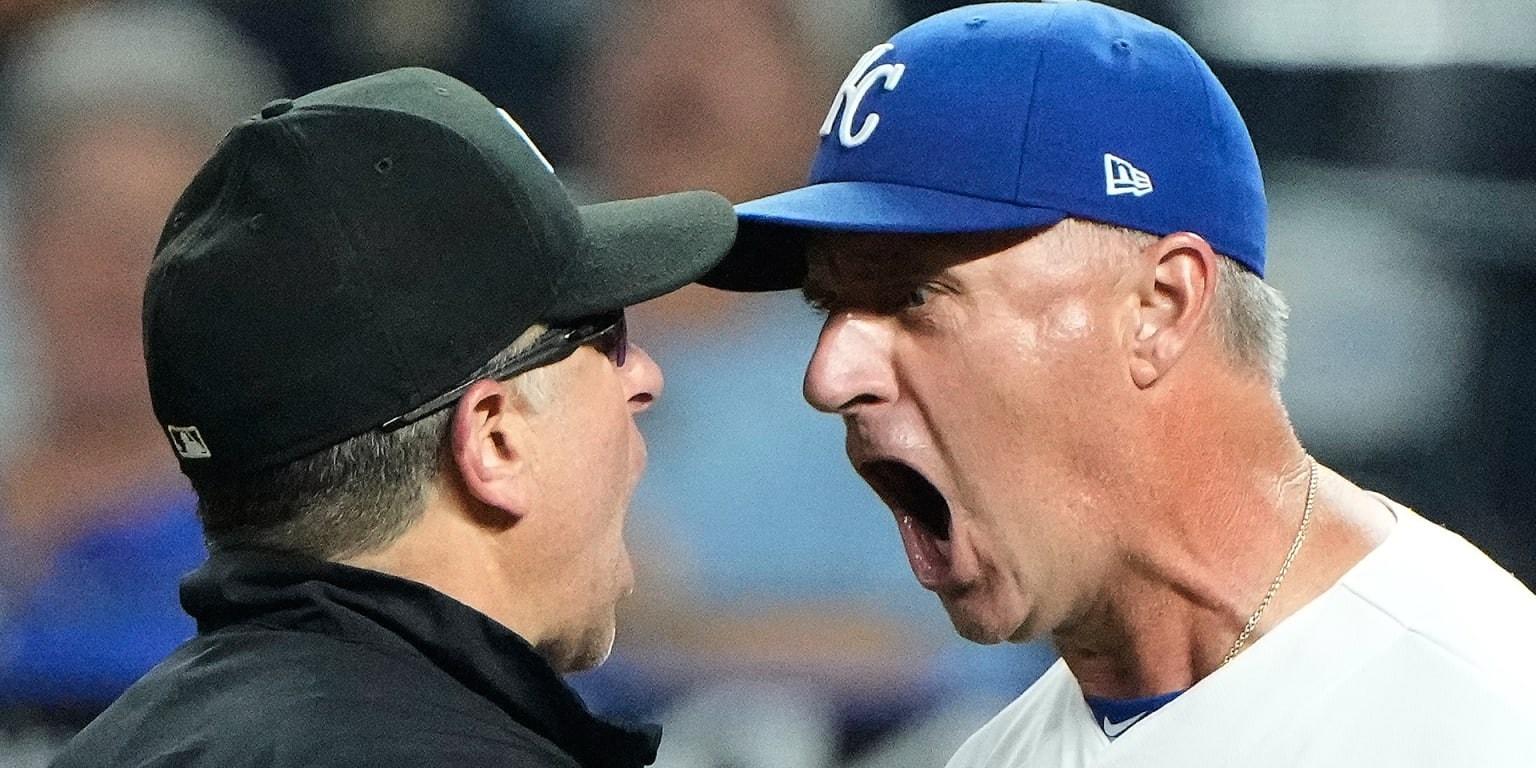
Matt Quatraro was shown the exit after a heated exchange with crew chief Chris Guccione, shortly after a balk call reversal erased a run from the board for Kansas City on Tuesday night.
The Royals walked into Tuesday night looking for clean, controlled at-bats and crisp defensive innings. Instead, the game turned briefly on the field’s smallest margin. After a balk call reversal led to a run being taken off the board, Kansas City manager Matt Quatraro and crew chief Chris Guccione became the center of an argument that ultimately ended with Quatraro’s ejection.
According to MLB’s game coverage, Quatraro and Guccione got into the kind of shouting match that is unusual for a manager known for staying even-keeled at the ballpark. The altercation followed the officiating change tied to a balk call, a sequence that sent emotions spiking for both dugouts before anyone could fully move on.
The balk call itself mattered because it changed what the offense and defense believed they were playing for in real time. Once a run is erased by a call reversal, the at-bats that come after it do not feel the same, even when the next pitch is thrown on schedule. For Kansas City, the adjustment was immediate, and for the Royals, the inning and leverage tied to that moment lingered long enough for the disagreement to spill into an ejection.
Guccione, as crew chief, is the lead voice on the field’s interpretations and outcomes, and MLB’s report places him directly in the middle of the confrontation. Quatraro’s ejection came after the manager’s frustration boiled over, with MLB describing the interaction as one of the most intense Quatraro has had on the field.
In the broader context of major league games, late-game and high-leverage calls tend to draw sharper reactions, but the balk category carries its own unique frustration. Unlike many judgments that affect balls and strikes or safe and out calls, a balk reversal directly impacts runner advancement and timing, meaning the consequences of a change can be felt in both the current inning’s strategy and the next sequence at the plate.
The ejection also raised the practical stakes. A manager is often required to keep tempo with bullpen usage, lineup pacing, and in-game adjustments. With Quatraro gone, Kansas City had to lean on other voices and staff members to maintain the clubhouse routine and defensive discipline in the minutes that followed.
For what comes next, the key question is how Kansas City responds emotionally after an officiating-driven swing and a managerial ejection in the same stretch. Baseball is a game of short memories, but sequences like this can reshape how players approach their next inning, from pitch selection to baserunning caution, especially when the dugout believes a key moment was mishandled and the argument became public.
Why It Matters
- Officiating reversals that remove runs can swing leverage, changing how a team approaches the next at-bat and inning.
- A manager’s ejection can disrupt in-game communication at the moment when bullpen and defensive decisions are most time-sensitive.
- Public confrontations with crew leadership can heighten frustration throughout the remainder of the game and affect how the dugout settles after contentious calls.
- The episode adds another chapter to how teams manage emotion when calls involve baserunning and timing rather than just plate outcomes.
Sources
Key Facts
- Royals manager Matt Quatraro was ejected after an interaction with crew chief Chris Guccione.
- The confrontation followed a balk call reversal that took a run off the board.
- MLB’s report frames the exchange as uncharacteristically heated for Quatraro.
- The incident occurred during a Royals loss on Tuesday night in Kansas City.