
THE APEX TIMES
Raiders’ 2026 backfield takes shape as training camp and the draft approach
A position-by-position look from Yahoo Sports suggests Las Vegas has done most of its work at running back already, with the RB room continuing to sort itself out during the camp/draft cycle.
The Las Vegas Raiders’ running back room for 2026 is mostly mapped out, according to a Yahoo Sports position preview that runs through how the team’s tailbacks may be arranged as the offseason moves toward and through training camp and the draft. The central premise is straightforward: the Raiders do not appear to be starting from scratch at the position, meaning the camp battle and the draft focus are more likely to be about roles and depth than about building the room entirely from the ground up.
In that framework, the question shifts from “who is available?” to “who fits what the Raiders want to do?” Running back rooms are often measured by how the pieces complement one another. The Raiders can usually simplify decisions for offensive planning when they have a clearer sense of which backs can run between the tackles, which can win on outside routes and in space, and which can handle the grind of pass protection and short-yardage work. When a team is “almost all accounted for” at tailback, the work tends to become coaching-specific, centered on technique, usage patterns, and consistency through the preseason.
Yahoo’s look also situates the position in the timing of the offseason, with training camp acting as the proving ground and the draft serving as the reinforcement window. That timing matters because teams often decide how much they need to add after seeing how established players respond to live workloads, and after assessing what the rookie class can provide. For the Raiders, a largely established backfield would suggest the draft could be used to sharpen particular packages, add developmental upside, or provide insurance for a long season rather than to fill a glaring hole immediately.
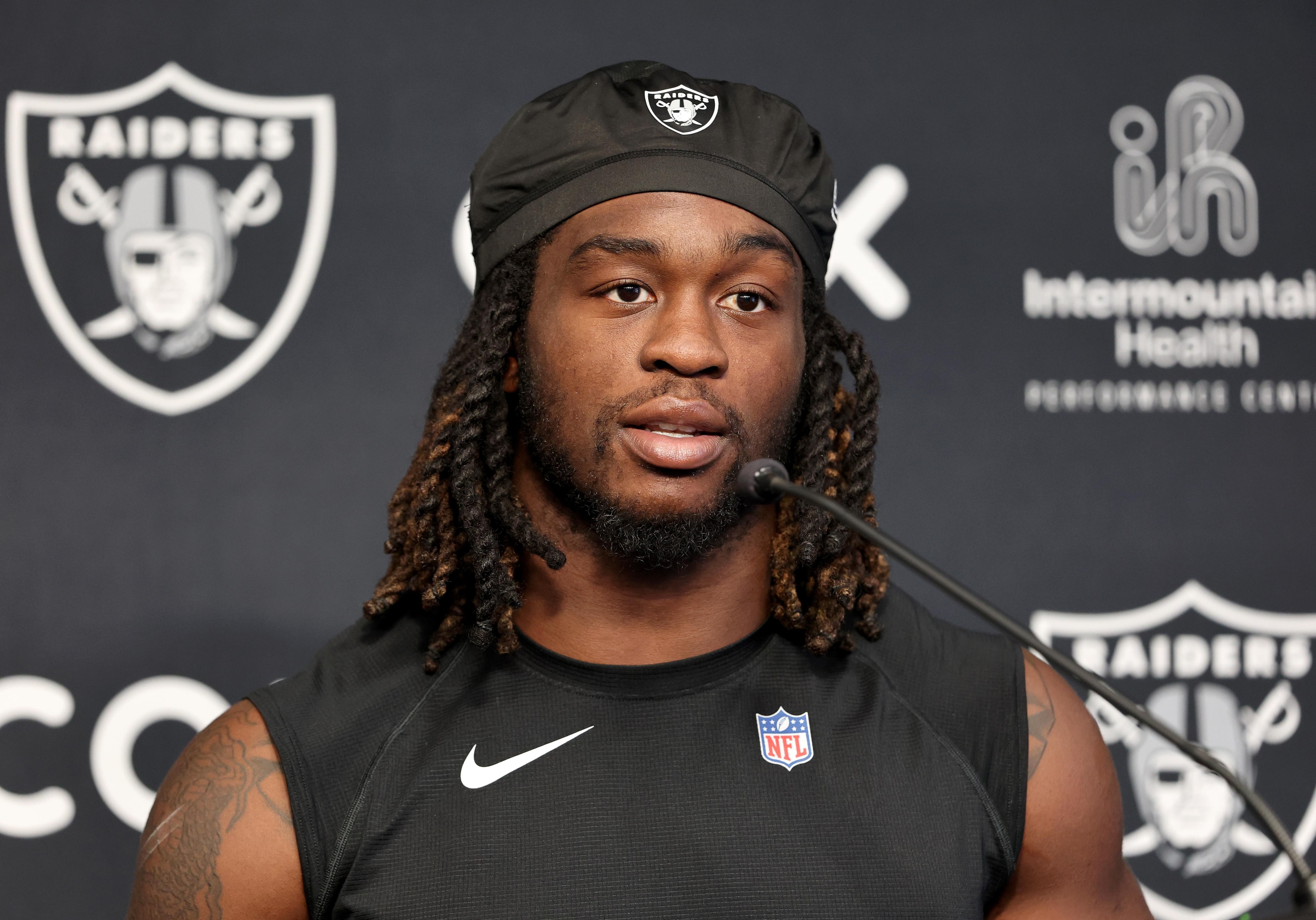
The preview presentation includes Ashton Jeanty, identified in the accompanying imagery, which indicates that at least one player name in the Raiders’ running back orbit is being discussed in the broader context of the position picture. Even so, it is important to separate “being evaluated” from “being on the roster,” because offseason position previews often blend in-team options, near-term camp competitions, and draft-cycle prospects in one room-by-room narrative.
What to watch next is how the Raiders separate their running back depth into tiers during camp. If the backfield is truly “almost all accounted for,” the most meaningful battles would be for late-down snaps, third-and-short carries, and passing-game responsibility, areas where small differences in ball security, pass protection, and route consistency can shape who earns trust. Those decisions also tend to influence how coaches balance the run-pass mix, since a team that has a reliable passing-game back can keep defensive coordinators guessing.
The other watch point is whether the Raiders’ draft approach stays flexible or becomes targeted by what they see in camp. A roster that is close to complete often leads to a draft board that prioritizes upside and fit within the playbook, rather than forcing a single archetype. If Las Vegas ends up adding later-round depth or a developmental piece, the expectation usually becomes progression, not immediate command of the backfield. For fans, that is the best lens for evaluating the running back room in 2026: less about headline arrivals and more about how the roles stabilize.
Why It Matters
- A largely set running back room changes the nature of training camp from “who makes the team” to “who wins defined roles.”
- Backfield roles directly affect offensive play-calling, especially in third-down and short-yardage situations.
- A clearer RB group can reduce offseason uncertainty and help the Raiders plan package usage for the full season.
- How the Raiders treat draft targets at running back will reveal whether they need fit and depth or only long-term development.
Key Facts
- Yahoo Sports published a Raiders 2026 position preview focused on the running back room.
- The preview states that the Raiders’ tailbacks are “almost all accounted for” as training camp and the draft progress.
- The piece frames the backfield conversation around how the room may be shaped by camp evaluation and draft reinforcement.
- The preview imagery features Ashton Jeanty as part of the running back discussion.