
THE APEX TIMES
Raiders defense searches for its 2026 identity, and insists it is too early to judge
With training camp still in its opening stage and work coming before pads, Las Vegas is approaching the early days of camp as a process, not a verdict, on what its defense can become.
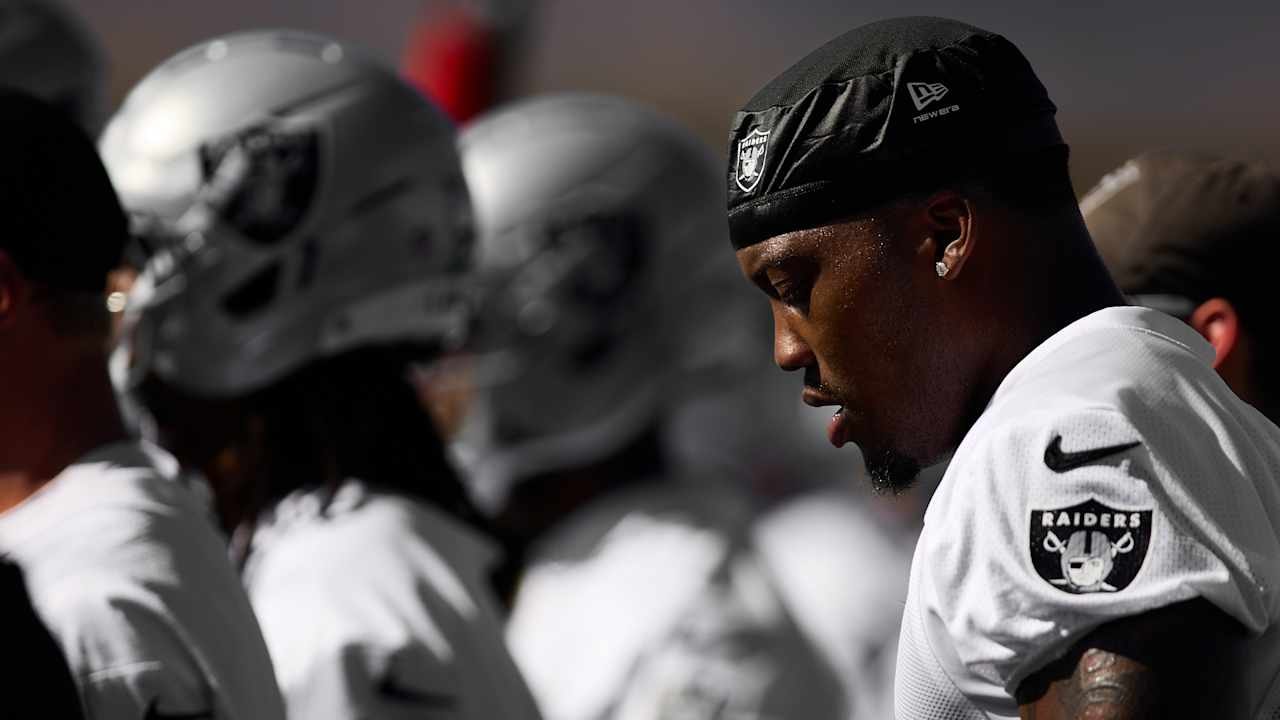
The Raiders are framing their defensive work in the early portion of training camp as discovery rather than documentation. In an outlook published by the team on July 30, Las Vegas acknowledged that there are plenty of questions around what its 2026 defense could look like, but stressed that it is still too soon to define an identity this early in camp.
The key point from the Raiders’ own description is timing. With practices just beginning and without pads, the team characterized the current phase as a developmental window where responsibilities, communication, and overall cohesion are still taking shape. That matters because defensive football at full speed and full contact tends to reveal how line play, coverage structure, and tackling fit together under pressure.
Even with that caution, the team’s messaging makes clear that an “identity” is a goal, not an assumption. The Raiders’ camp stance suggests they are trying to answer broader questions about how their defense will operate, how consistently it will play with a certain style, and what roles players will settle into once practices become more physical.
In the first days of camp, the defense’s story is likely to be less about highlight production and more about repeatable habits. When pads come on and tempo rises, teams can better test whether their coverage matches the routes they see, whether their rush plans create the intended lanes, and whether their run fits are disciplined across multiple fronts.
For Raiders fans, the immediate takeaway is that early impressions may be misleading. A defense can look incomplete in individual work while still building the underlying structure it needs. Conversely, flashes before pads do not guarantee long-term consistency once every rep is at full speed and every block must be absorbed.
The Raiders’ “identity and destiny” framing also places emphasis on what happens next in training camp. The next step is when pads are introduced and practices begin to better reflect game conditions, giving the coaching staff a clearer view of what is working, what is not, and what adjustments are required before the regular season begins.
What to watch moving forward is straightforward: how the Raiders’ defensive alignment and communication hold up across phases of practice, whether assignments are carried out cleanly when tempo increases, and whether the unit’s style becomes more consistent as camp progresses beyond the opening, non-padded period.
Why It Matters
- How a defense defines its identity early shapes late-camp decisions about roles, packages, and scheme emphasis.
- The transition from non-padded to padded practices typically provides the clearest early indicator of how well a unit performs in more physical, game-like reps.
- Fans and evaluators often overreact to early camp looks; the Raiders’ own caution highlights that judgment should wait for more contact and more consistent reps.
- The next few weeks of camp are where questions can start turning into answers, especially about coordination, coverage structure, and run-stop discipline.
Key Facts
- The Raiders published a July 30 update describing their defensive work early in training camp.
- The team said there are many questions about what the 2026 defense could look like.
- The Raiders emphasized it is premature to label the defense’s identity this early.
- The team cited that the work is occurring without pads and only two practices into camp.
- The Raiders’ messaging focused on defensive development as an ongoing process rather than a finished evaluation.