
THE APEX TIMES
Raiders front office outlines quarterback priorities after locking in the 53-man roster
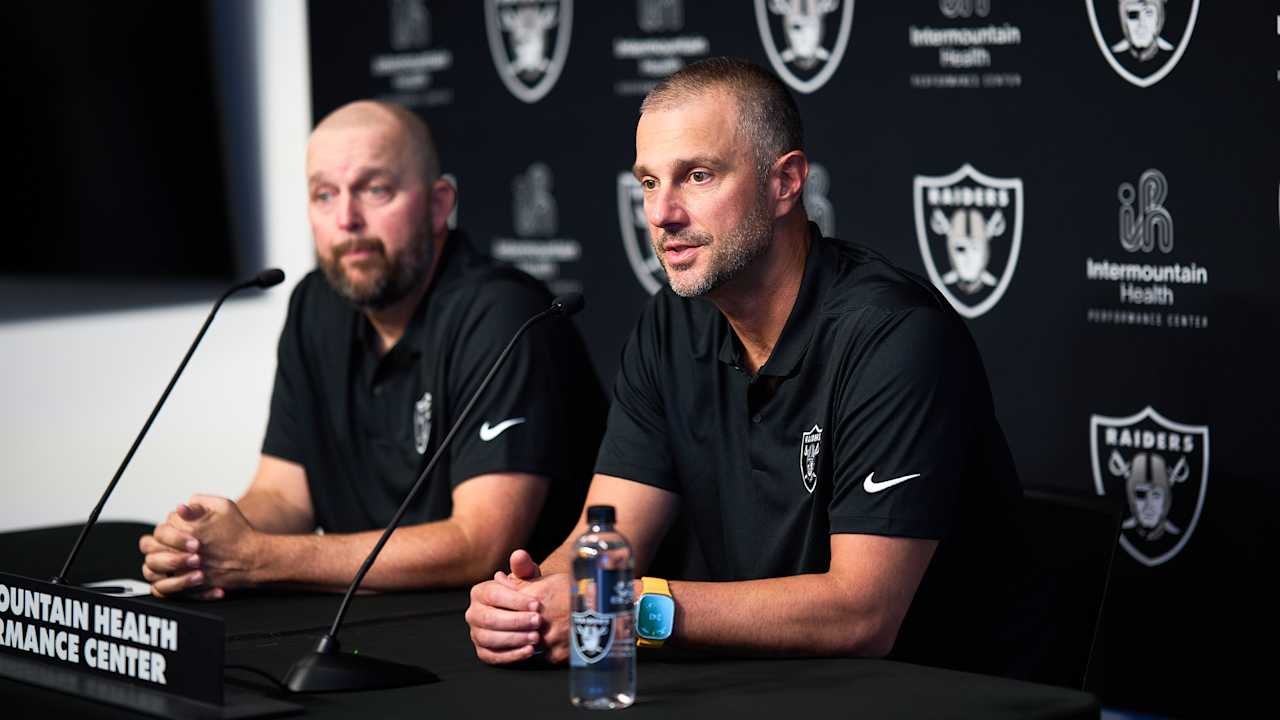
GM John Spytek and assistant GM Brian Stark used Tuesday’s press conference to frame how Las Vegas is approaching its quarterback room, while reflecting on what the Raiders’ roster building process is meant to deliver heading into the regular season.
The Raiders’ roster decisions are now official, and the next question is how the team wants to play at quarterback. In a Tuesday press conference following the organization’s work to shape its 53-man roster, general manager John Spytek and assistant general manager Brian Stark focused on what comes next for Las Vegas’s quarterback room and the broader football identity the staff is trying to establish.
As reported by the team, the most direct theme of the session was quarterback-room planning, with Spytek and Stark addressing how the Raiders view the position as a unit rather than as a standalone storyline. That distinction matters because NFL rosters often carry different levels of experience and different roles, and how those roles are defined typically determines whether the offense looks coherent in November and December.
Spytek and Stark also tied the quarterback discussion to the team’s roster-building work, which they framed as an intentional process rather than a set of last-minute additions. In practical terms, the Raiders’ summer work leading up to the 53-man cut is a filter for traits the coaching staff values across scouting, development, and situational football, such as comfort in the playbook, timing and command, and the ability to execute under pressure.
A second takeaway from the press conference was the front office’s emphasis on “fit,” meaning each roster spot has to align with how the Raiders intend to operate. For a quarterback room, fit can include how a starter or primary option handles protections and reads, how backups communicate, and how the entire group contributes to preparation even when snaps are limited.
Stark’s involvement, as the assistant GM, indicates that the decision-making in Las Vegas is meant to be collaborative across personnel evaluation and roster construction. That approach is often visible in the way teams balance athletic upside with reliability, especially at quarterback where the margin for error is smaller and where backup readiness can become a season-defining variable.
Finally, the press conference underscored the Raiders’ need to move from roster construction to weekly execution. NFL teams can carry talent and still underperform if the quarterback plan does not translate into early-game rhythm and late-game clarity, and Tuesday’s comments were designed to show that the Raiders have a defined roadmap for their quarterback-room priorities as the season approaches.
For fans trying to understand what to watch next, the most telling indicators will be how the Raiders organize their offensive preparation and how the quarterback group performs in game-like situations, such as third downs and red-zone drives. Even without dramatic personnel changes, the day-to-day clarity around roles can show up quickly in play-calling tendencies and the way the offense responds when the first plan is disrupted.
Why It Matters
- Quarterback-room planning is the central roster question for any NFL team, and it often determines whether an offense can sustain drives across varying game scripts.
- How the Raiders define roles for their quarterback group can affect everything from practice emphasis to late-game decision-making.
- The front office’s “fit” message suggests Las Vegas is prioritizing more than raw talent, leaning toward players who match the organization’s intended operational style.
- Early-season execution will reveal whether the Raiders’ roster and quarterback plan translate into consistent offense.
Sources
Key Facts
- The Raiders held a Tuesday press conference with GM John Spytek and assistant GM Brian Stark.
- The team’s comments came after Las Vegas worked to shape its 53-man roster.
- The most prominent topic was the Raiders’ quarterback room.
- Spytek and Stark connected their quarterback discussion to the team’s roster-building process.
- The club’s press availability was framed as part of the transition from roster construction to regular-season preparation.