
THE APEX TIMES
Raiders head into camp with special teams in focus, per Paul Gutierrez
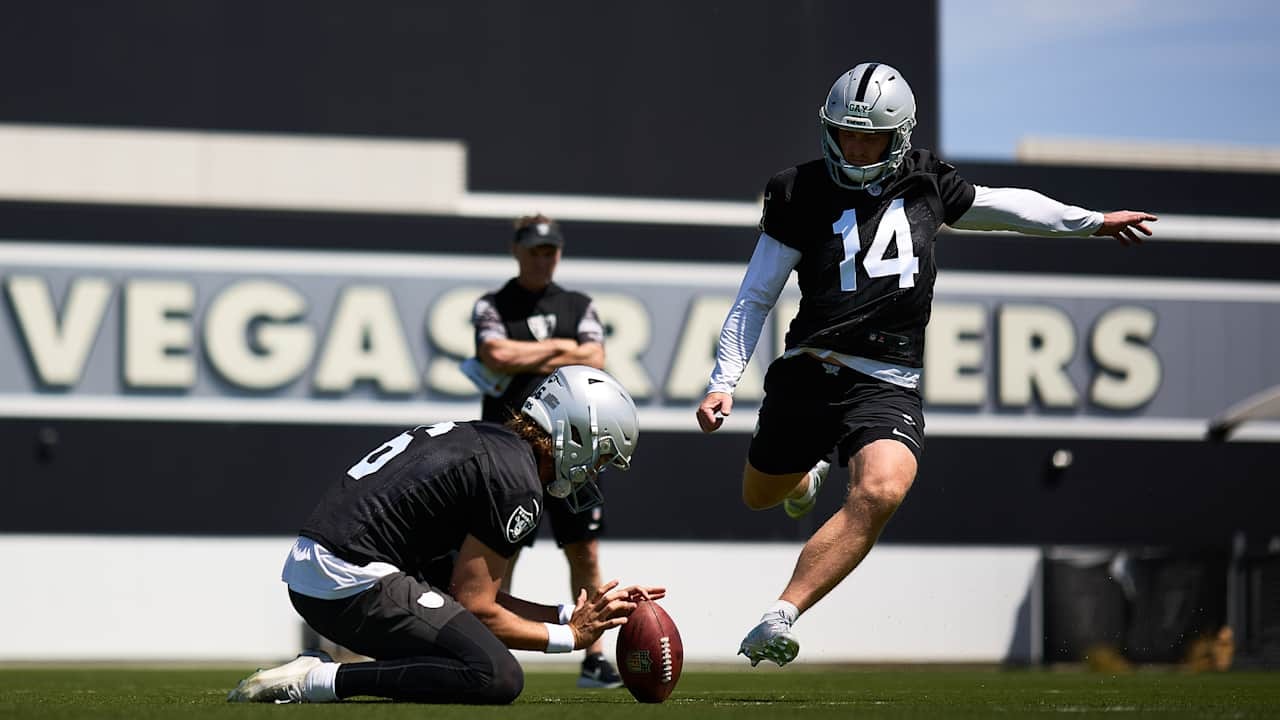
Ahead of 2026 Training Camp, Paul Gutierrez highlighted three lesser-noticed special teams storylines that could shape how quickly the Raiders find rhythm in the margins.
The Raiders’ path to consistent football in 2026 is likely to be shaped as much by the “extras” as the core playmakers. In a preview published Tuesday, Paul Gutierrez pointed readers to three under-the-radar special teams storylines to know before training camp begins, indicating that the team’s early work in coverage, returns, and kicking game execution will be treated as more than filler. The framing matters, because special teams often becomes the difference-maker in close games, and it is one of the first areas where coaching staff can separate technique from tempo when pads finally come on.
Special teams is also where small process issues can linger and quietly affect outcomes, especially early in a new season. Coverage units live and die by alignment discipline, hand placement, and speed-to-position on every snap. Returns, meanwhile, require a specific blend of vision and decisiveness, and the unit has to coordinate with the blocking angles that develop in real time. Gutierrez’s decision to focus attention on special teams before camp suggests the Raiders want to use the early instructional window to iron out those mechanics before depth charts become locked.
A second reason the camp-to-camp special teams emphasis is relevant for the Raiders is that the unit has to be built to last the full calendar. Even when the roster looks stable on paper, special teams roles shift quickly based on injury status, practice availability, and how players handle matchup responsibilities. Training camp is when teams establish who can be trusted in those “next man up” situations, including gunners on coverage teams, primary return responsibility, and the rotational depth that keeps performance from dropping as fatigue sets in. Gutierrez’s preview underscores that these roles are not just assignments, they are trust-building opportunities.
Kicking-game performance is another area where the Raiders likely want early clarity. Kickoffs involve more than getting the ball through the uprights, and the lane on kick coverage requires both speed and positioning. Field-goal and extra-point situations also carry psychological weight because they come with limited margin for error, and the supporting unit matters because blocks, protection breakdowns, and snaps all affect results. By choosing special teams as the subject for a pre-camp “what to watch” list, the Raiders are effectively telling fans that execution and reliability in these moments will be tracked from the start.
The under-the-radar label attached to Gutierrez’s three storylines also hints at how teams sometimes treat special teams issues as solvable problems rather than headline news. In practice, that often means emphasizing the details that do not trend on highlight reels: clean ball security on returns, sprint-to-ball timing on coverage, and communication that prevents busted assignments. Over the course of training camp, those details can show up in whether the Raiders concede long returns, whether opponents can consistently find openings, and how quickly the unit corrects mistakes.
For Raiders fans, the practical takeaway is to watch how the special teams groups look during the early phases of camp, not just during the rare moments when something breaks open. Whether the kicking and coverage units operate with clear indicates, whether the return game shows a consistent approach, and whether the unit avoids repeated assignment errors can tell you more about readiness than isolated big plays. Those are the types of “major but quiet” factors that can accumulate into a real advantage as the regular season gets closer.
What to watch next is simple but specific: look for which players take the most consistent reps in each special teams role, how the Raiders handle any early execution mistakes, and whether the coaching staff shows willingness to adjust roles to improve results. Because Gutierrez’s piece is framed as a set of storylines to know before camp, it suggests there are early questions the team intends to answer quickly. If the Raiders address them early, special teams can become a stabilizing force. If not, those “extras” can turn into an ongoing drag that affects game outcomes down the line.
Why It Matters
- Special teams outcomes can swing close games, and early execution often sets the tone for the season.
- Training camp is where teams define reliable depth-chart options for kicking coverage, return roles, and situational packages.
- If the Raiders tighten process early, they reduce the risk of repeated assignment errors that are difficult to fix later.
- Clear special teams roles can stabilize game management decisions in late-game situations.
Key Facts
- Paul Gutierrez published a Raiders preview for training camp that highlights three special teams storylines to watch.
- The preview is specifically framed as under-the-radar rather than the most obvious roster topics.
- The focus is on how special teams preparation will matter as camp begins.
- The article is published on the Raiders’ official site on July 17, 2026.
- The Raiders’ special teams emphasis suggests the team will evaluate execution and roles early in camp.