
THE APEX TIMES
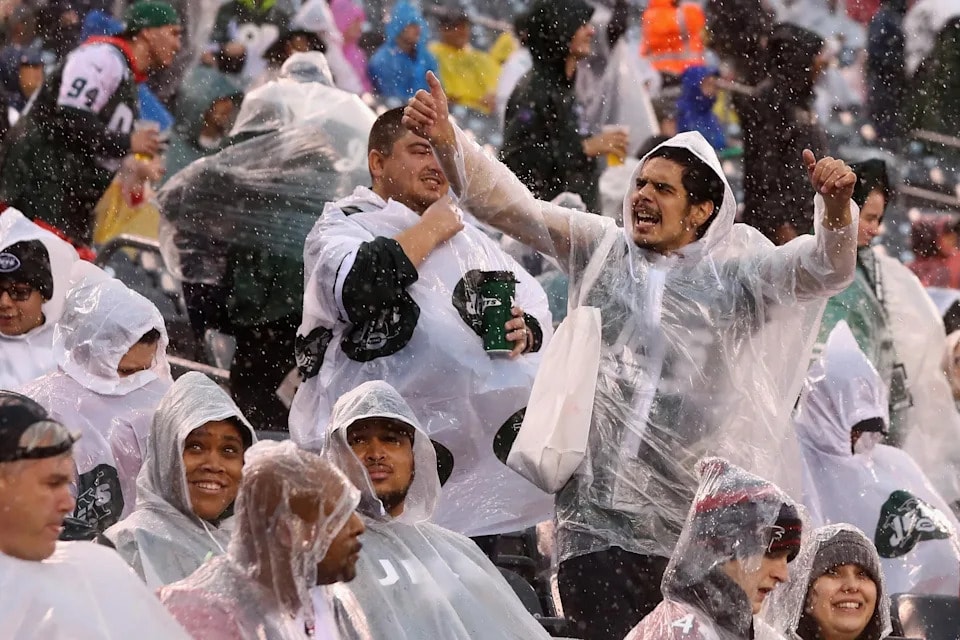
Rain on tap adds uncertainty to Browns-Jets matchup, even as Cleveland looks to keep rolling
With the Cleveland Browns (3-1) visiting the New York Jets (1-3) this Sunday, weather could be a decisive variable, especially for teams whose game plans lean on timing in the passing game and clean ball security.
The Cleveland Browns enter their Sunday matchup with the New York Jets with an aim that is simple but demanding: extend a winning streak and keep their level of play consistent. According to Yahoo Sports’ pregame analysis, the biggest complication for any matchup between these styles is not a scheme diagram but the forecast. Rain, the piece notes, can force teams to adjust in ways that blunt some of the most reliable advantages each side hopes to create.
For Cleveland, the operational challenge in wet conditions is usually the same. Passing games are more difficult to execute when the ball is slick and throws lose their zip and precision. On a field affected by rain, quarterback reads can be slower because routes develop under damp footing and receivers cannot always separate the way they do on fast, dry turf. That means a team that expects to win with rhythm and timing may need to win more by controlling downs: more short throws, more runs that stay fundamentally sound, and more deliberate third-down planning.
The Jets, meanwhile, face a different version of the same problem: limiting mistakes becomes more valuable when execution margins shrink. In rain, the emphasis often moves toward taking care of the football, reducing turnovers, and sustaining drives through lower-variance plays. If the game turns choppy, New York’s best path is typically to make the opponent earn every chunk play while keeping their own offense from forcing risky throws that become unstable in adverse conditions.
Yahoo Sports’ analysis frames rain as a wrench in what would otherwise be cleaner matchup advantages. That matters because both teams have different ways of trying to shape games. When the weather cooperates, the team that can stress an opponent’s coverage or establish a consistent tempo often dictates the pace. When it does not, the contest becomes more dependent on who can handle the “small” things. Ball security, especially on exchanges, scrambles, and contested catches, can carry outsized influence.
Rain also affects special teams, another area where advantages can disappear quickly. Slick coverage can reduce separation after punts and kicks and can change how aggressively teams pursue on returns. Even the passing game’s knock-on effects are relevant here, since field position swings can be larger when drives stall or when drives are ended by the kind of rare mishap that often grows more likely in bad weather.
To be clear, none of that guarantees either team a specific outcome. Weather creates conditions for volatility, not a script. A team can still win by being the more disciplined version of itself, and a game plan can remain effective if it accounts for the forecast from the first drive. For Cleveland, the question becomes whether their offense can adjust without losing efficiency. For the Jets, it becomes whether they can make the game feel uncomfortable enough that Cleveland must “play lower percentage,” even if New York is not controlling every snap.
What to watch next is how both teams start the game and whether their play-calling reflects a belief that rain will persist. Early third downs, the frequency of short, high-percentage passes, and how often each side trusts the run on key downs can reveal how quickly the teams are adapting. If the forecast meaningfully affects footing and grip, the team that protects possession and turns fewer opportunities into mistakes will be positioned to control the narrowest moments.
In the standings context, every game matters, and this one arrives at a point where both franchises need momentum. Cleveland sits at 3-1 heading into the contest, while New York is at 1-3. Rain does not change those stakes, but it does change the best route to achieving them, by reducing the gap that clean execution would otherwise create.
Why It Matters
- If rain significantly affects conditions, it can reduce the effectiveness of offenses that rely on precise throwing and route timing.
- The game’s key swing points may shift toward turnover avoidance, ball security, and disciplined play selection.
- Special teams and field position could become more influential than usual when footing is compromised.
- For Cleveland, maintaining efficiency while adapting quickly could determine whether they extend momentum toward the middle of the schedule.
- For the Jets, making the contest lower scoring or more error-driven could be essential to keeping the game within reach.
Key Facts
- Cleveland enters Sunday’s game against New York with a 3-1 record.
- New York enters with a 1-3 record.
- Yahoo Sports’ pregame analysis highlights rain as a factor that could disrupt expected matchup advantages.
- Wet weather can increase unpredictability in passing timing, ball handling, and overall execution.
- The pregame framing emphasizes that weather-related volatility can raise the value of mistake-free football.