
THE APEX TIMES
Rams face a roster-balance question at tackle and in the secondary as they settle their 53-man group
Los Angeles enters the season with strong overall roster momentum, but a closer look at its depth at offensive tackle and defensive back raises a practical question: do the Rams have enough quality bodies if the next opportunity comes from a less-tested part of the depth chart?
The Los Angeles Rams’ 53-man roster has the look of a contender, and on paper the franchise is built to compete with some of the most stacked talent groupings it has assembled in recent years. But a roster is more than a collection of names, and one review of the Rams’ final group argues that their depth at two high-leverage spots, offensive tackle and defensive back, is thinner than the overall impression suggests.
In that assessment, the Rams’ offensive line and defensive back inventories are described as deceptive. The argument is that counting units on a roster can mask a lack of experienced options at specific positions, especially when the lineup needs tackles who can handle top-edge pressure and defensive backs who can cover extended routes against NFL passing patterns.
For a team like the Rams, the tackle position is not just about having starters. It is about being able to withstand normal NFL volatility, where matchups, penalties, and short-week usage patterns can force changes. When a roster is “thin at tackle,” the concern is that the drop-off from the top of the depth chart to the second group could be meaningful, forcing schematic adjustments rather than simple personnel substitution.
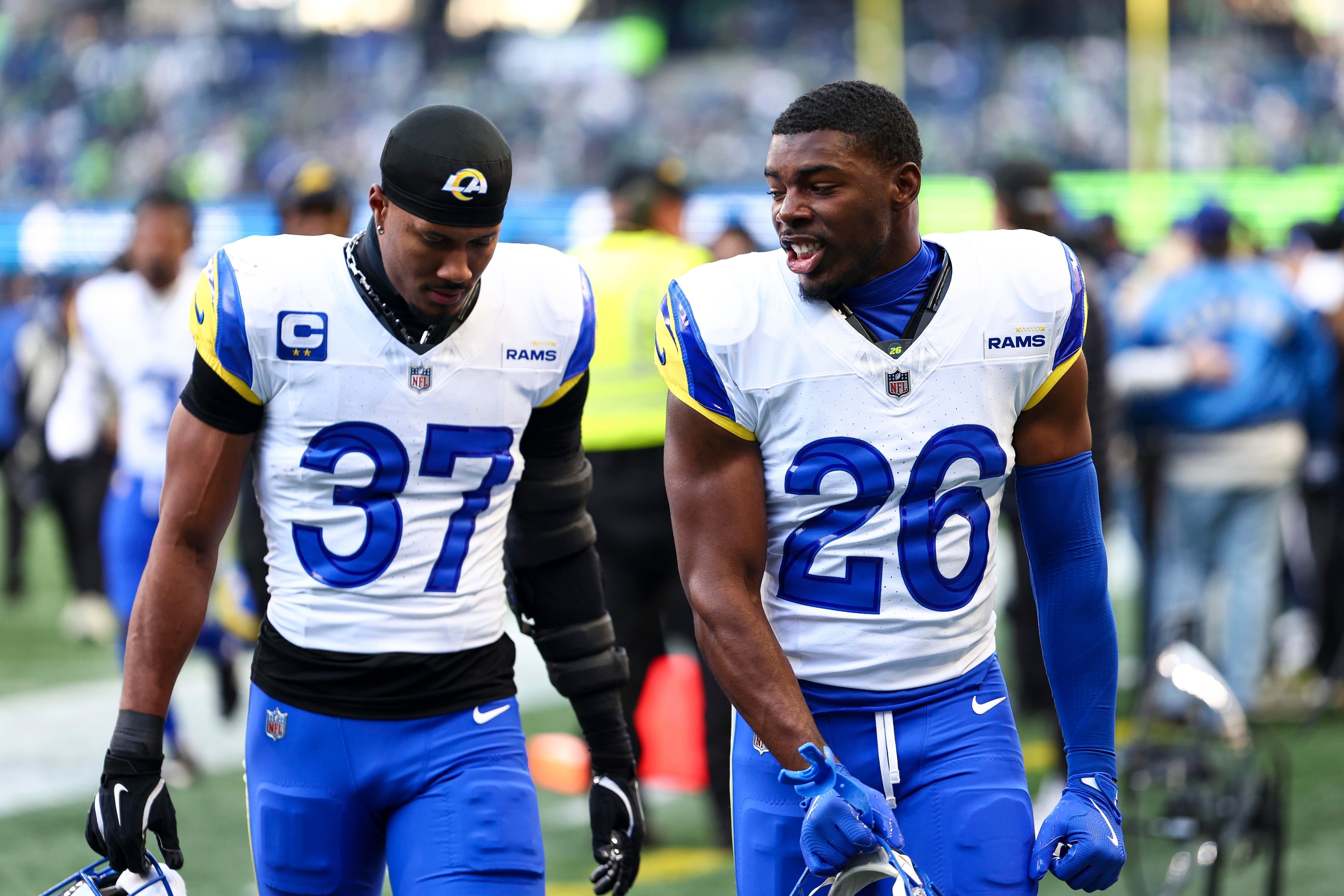
The same logic carries to the secondary. If a team is “dangerously thin in the secondary,” it can change how the defense is allowed to play. Defensive coordinators manage risks, and limited depth at cornerback and safety can compress the choices available on third down, in two-minute situations, and against offenses designed to exploit coverage mismatches.
The Rams also carry the reality that NFL roster decisions are not made in a vacuum. Coaching staffs evaluate special teams, practice performance, and the ability to cover multiple roles, including slot defense, boundary coverage, and coverage concepts that vary by package. A roster that appears balanced in raw numbers can still leave uncomfortable gaps if the depth chart lacks true role flexibility.
What to watch next is less about a single position group and more about how the Rams run their in-game adjustments. If the Rams repeatedly lean on the same small set of players when the game tightens, that can indicate confidence. If they avoid certain looks or shift responsibilities toward a narrower set of defenders, that may reflect the same “thin” concern highlighted in the roster review.
The bottom line is that the Rams may be strong in the aggregate, but NFL games are won and lost in specific slices of time. Offensive tackle and defensive back are among the fastest to expose a roster gap, because they directly affect pass protection and coverage outcomes. The season will show whether the Rams’ depth is robust enough to survive matchup stress, or whether the roster’s blind spots force harder compromises than they would like.
If you want a practical frame for the conversation, it is simple: even the most talented rosters depend on reliable depth at critical positions. The Rams’ challenge, as described in the roster review, is to make sure that what looks like depth on a 53-man list translates into real survivability at tackle and in the secondary when the game demands it.
Why It Matters
- Tackle depth can determine whether the Rams can keep pass protection stable when line rotations become necessary.
- Defensive back depth influences coverage flexibility on third downs and against pass-heavy game plans.
- Perceived roster gaps at these positions can affect how aggressively the Rams play certain defensive schemes.
- If the Rams need frequent coverage or protection adjustments, it can compress their tactical options across the season.
Key Facts
- A roster review argues the Rams’ offensive line and defensive back counts can be misleading.
- The review specifically flags Los Angeles as thin at offensive tackle.
- The same review flags Los Angeles as thin in the secondary.
- The review characterizes the Rams’ overall roster as potentially exceptional on paper.