
THE APEX TIMES
Rams kick off first padded practice of training camp, with McVay, Higbee and Turner weighing in on the “real football” feel
Sean McVay, Tyler Higbee and defensive end Kobie Turner described what the first day in pads brought to Los Angeles’ early work at camp and what they want to see from their units as the preseason approaches.
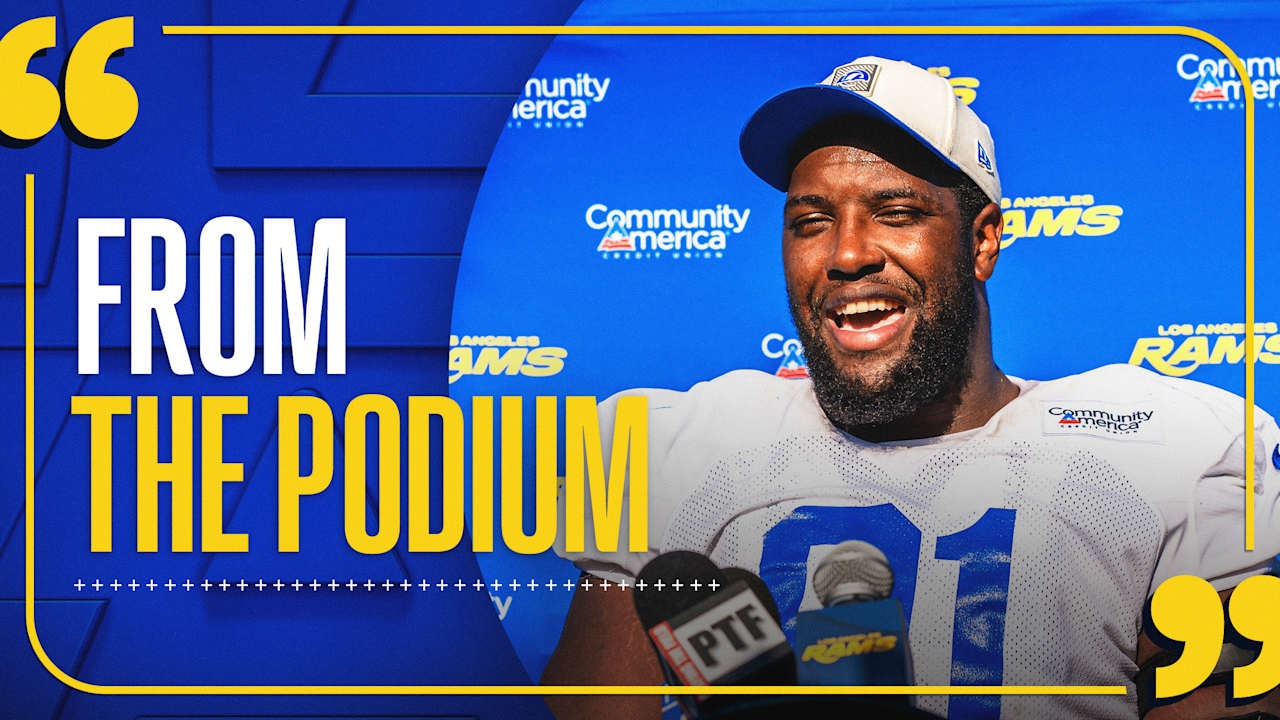
The Los Angeles Rams opened their training camp with a practice that finally moved beyond the early acclimation days, shifting into first-workout-with-pads territory that coaches and players often describe as the moment “real football” begins. In a press-conference setting at camp, head coach Sean McVay and two key veteran presences, tight end Tyler Higbee and defensive end Kobie Turner, focused on what that transition means, not just physically but also mentally for how the team communicates and competes.
McVay framed padded practice as a different test of details. During the first stretch of camp, teams can sharpen footwork, timing, and technique at lower intensity. With pads, the reps come with contact and consequences, forcing tighter execution in spaces that matter and clearer communication in the huddle. For a coaching staff, the first padded day also helps establish early standards, from how players respond when plays break down to how quickly they settle after a mistake.
Higbee’s comments centered on the importance of the tight end position in a pro passing game, but also on the daily habits that keep that role reliable. As camp progresses, the gap between “learning the play” and “running the play” tends to show up most with the physical demands of route running and the consistency required at the catch point. In this early padded stage, Higbee’s perspective reflected that the tight end has to do more than line up correctly. He has to track, find leverage, and sustain separation through contact, all while staying organized with the group.
Turner, speaking from the defensive side, emphasized how padded work changes the rhythm of front-seven football. Defensive line play is often defined by small physical advantages, hand usage, and the ability to win matchups quickly. The first day with pads offers a clearer read on whether technique translates into contact, where the line’s ability to rush and the defense’s ability to play the run show up more directly than in individual drills.
Taken together, the three perspectives painted the same theme from different angles. McVay’s view highlighted the coaching staff’s need for immediate feedback under contact conditions. Higbee’s focus underscored the tight end’s dual requirement to execute with precision and absorb the physical nature of the position. Turner’s angle put the spotlight on how the defensive front’s techniques stand up when the reps get real.
For fans, the immediate takeaway is that the Rams’ camp narrative is now entering its practical phase. The first padded practice is usually less about the scoreboard and more about evaluation, where coaches look for consistent effort in contested moments and for the players to show they can handle the physical tempo. What to watch next is whether the offense’s and defense’s first-day standards hold across the rest of camp, particularly in situations where technique, communication, and timing get tested by contact.
Why It Matters
- Padded practice is the first true checkpoint for whether players can translate early fundamentals into contact-based execution.
- The tight end and defensive line perspectives highlight how camp evaluation often centers on roles that depend on physical leverage.
- How the Rams handle the early “real football” adjustment can set the tone for practices that build toward the preseason.
Key Facts
- The Rams opened training camp with their first practice that included pads.
- Sean McVay, Tyler Higbee and Kobie Turner discussed the first padded-practice experience in a camp press-conference setting.
- The remarks focused on how contact changes execution and competition compared with earlier camp work.