
THE APEX TIMES
Rams reset their depth chart after an early preseason test at Arrowhead
Los Angeles used its Week 1 preseason performance to sort out roles, evaluate the second and third tiers, and re-center the offense after a slow start, turning the page with a win over Kansas City.
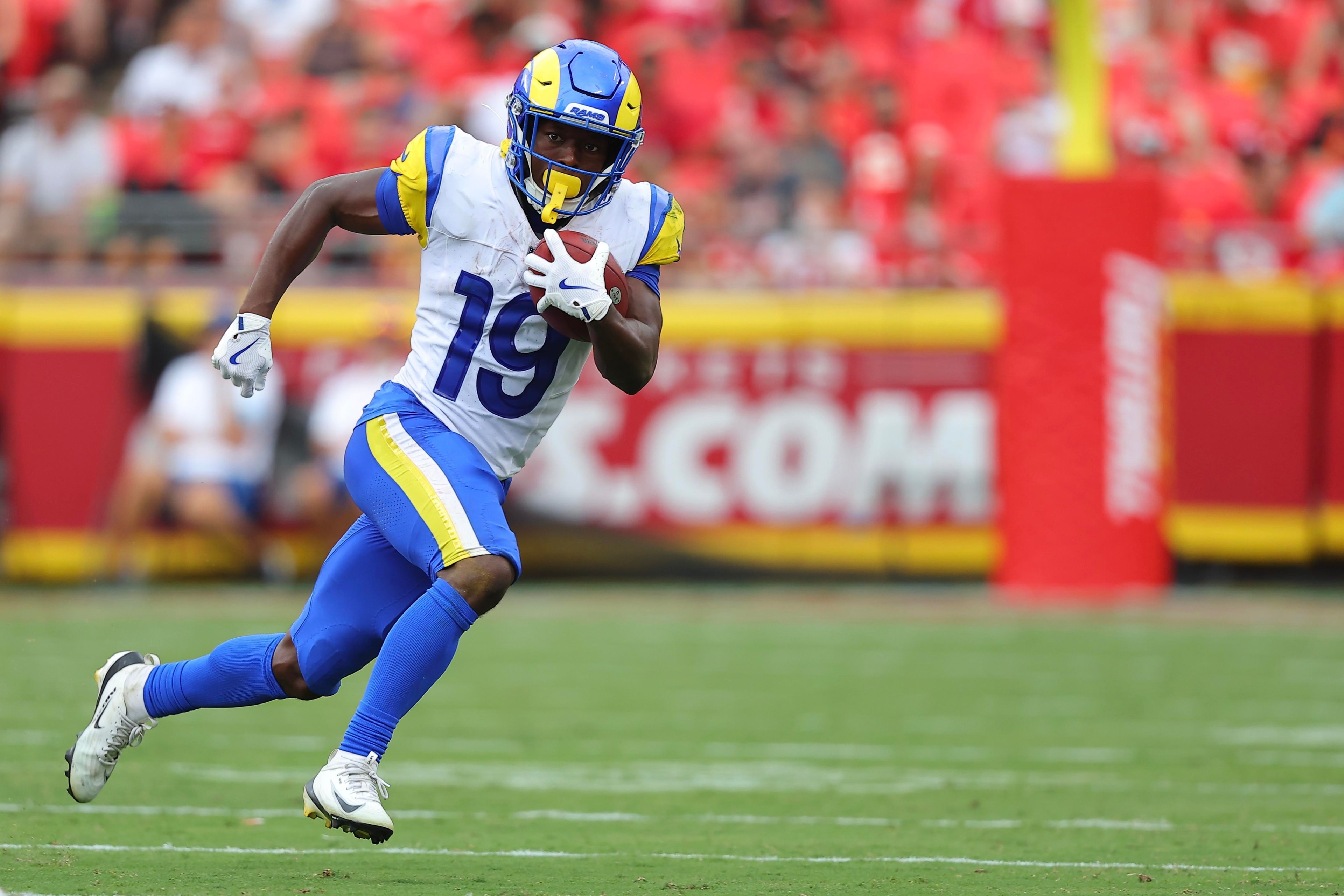
The Los Angeles Rams came out of their Week 1 preseason game at Kansas City with a clearer picture of what their offense can look like when it finds rhythm, and a priority list for what still needs work across the depth chart. After taking time to get on track, the Rams scored twice late to turn the contest into a 20-12 win over the Chiefs at Arrowhead Stadium.
For Sean McVay’s staff, that late offensive burst matters less because of the final score and more because preseason games are where coaches discover which groups can execute under game conditions. According to the game write-up, the Rams’ offense and overall plan did not click immediately, then shifted in a way that allowed them to produce in the fourth quarter.
The timing of that improvement is also a useful reference point for building the rotation in subsequent practices and preseason weeks. Preseason depth charts are not static. They adjust as coaches judge execution by unit, not just by who gets the most attractive reps early. A second-half surge gives a staff confidence to lean more heavily on specific combinations when the game slows and starters come out.
Kansas City, coached by Andy Reid, played the role of a familiar measuring stick. The report characterizes the matchup as two coaches aligned in approach, emphasizing that the Rams did not simply let the Chiefs see their best looks. In a preseason context, that kind of “don’t show everything” philosophy is part of the evaluation process, because it forces coaches to focus on what a group can do when the opponent is not handing over answers.
The practical outcome for the Rams is a reset. After Week 1, staffs typically revisit where they are comfortable placing their top reserves, what packages fit best with the current quarterback and receiver rotations, and how the run-pass balance looks when the offense is operated by players competing for defined roles. A late lead also tends to tighten a staff’s sense of who can handle late-game responsibilities, even in a non-counting contest.
Still, it is worth separating preseason assessment from regular-season projection. Wins and late scoring can obscure earlier inefficiencies, and game-state football is not the same as long stretches of preseason scripted work. The Rams’ Week 1 lesson appears to be that the offense can catch fire once the plan is executed, but the process of confirming that at multiple phases of the game remains the real work ahead.
What to watch next is how Los Angeles translates that fourth-quarter production into its next preseason rotation and depth-chart structure. If the Rams can reproduce early productivity, not only late bursts, the staff’s confidence in its second-wave identity will grow. If the offense again requires time to find its rhythm, then the next question becomes which unit or combination is best positioned to stabilize the offense earlier, before the end-of-game evaluation window arrives.
Why It Matters
- Preseason depth-chart resets help determine which reserves earn defined roles before the regular-season roster decisions tighten.
- A late-game offensive surge is a key indicator for coaching staffs about which groups can execute when games are no longer simple starters-versus-starters.
- Evaluating performance against a Reid-led opponent gives additional context because Kansas City’s game management often makes younger rotations face real pressure.
- How Los Angeles responds in the next preseason game will show whether the Rams’ Week 1 improvement was repeatable process or a one-time timing shift.
Key Facts
- The Rams defeated the Kansas City Chiefs 20-12 in the teams’ preseason meeting at Arrowhead Stadium.
- The report says Los Angeles took time to get its offense on track before producing two scores in the fourth quarter.
- The matchup featured Los Angeles coach Sean McVay and Kansas City coach Andy Reid.
- The overall theme of the coverage is that the Rams used Week 1 to reset and refine their preseason depth chart.