
THE APEX TIMES
Rams rookie Ty Simpson says learning the offense feels like “drinking from a fire hydrant,” praises teammates and coaches
As Los Angeles transitions into a new football calendar, quarterback Ty Simpson describes the early learning curve as intense, but he frames it as a team-driven education built on supportive coaching and roster camaraderie.
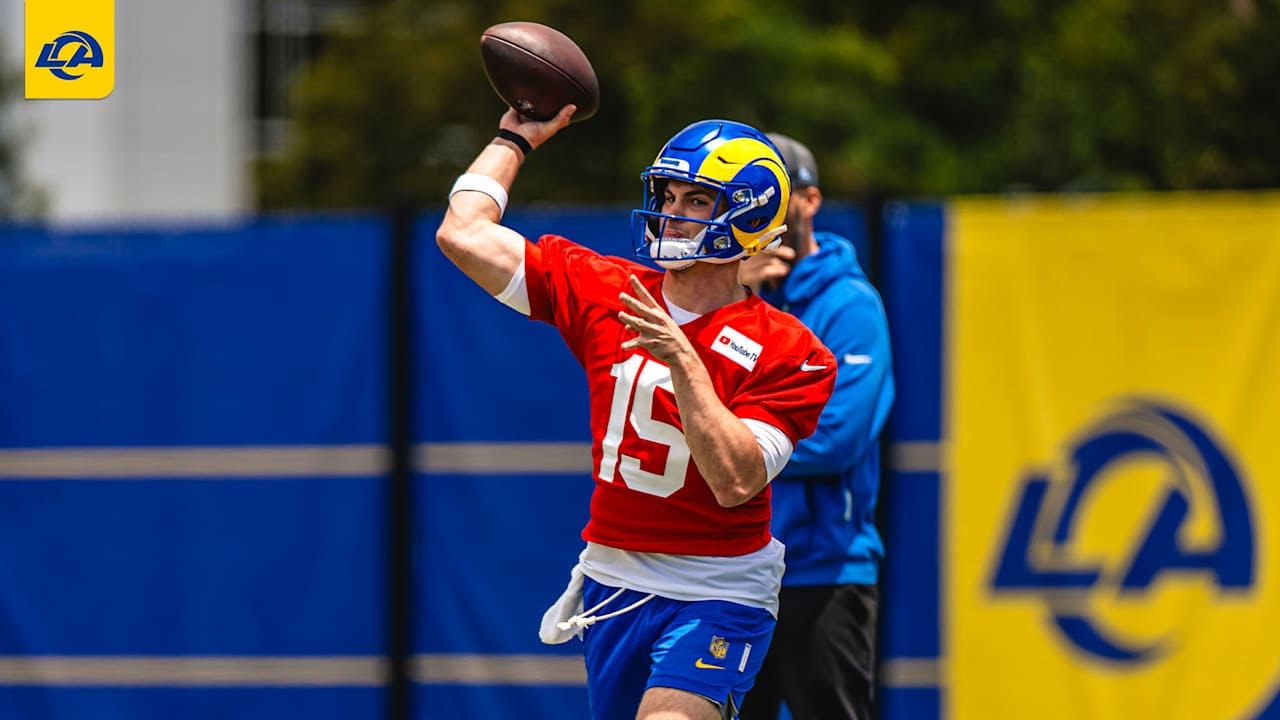
Ty Simpson arrived in Los Angeles ready to absorb an unfamiliar offense as quickly as possible, and he is describing the experience in vivid terms. The Rams rookie quarterback said the process of learning the team’s offensive scheme has felt like “drinking from a fire hydrant,” an all-at-once baptism that reminded him of the early grind of his freshman year in college. The point of the metaphor, as he presented it, is not that the learning is overwhelming for any single reason. It is that the volume of information and the speed of the adjustment are constant.
Simpson’s message is also about how he is handling that load. In a June update from the Rams, he credited teammates and coaches for creating an environment where a young quarterback can ask questions and keep moving forward. The rookie framed his development as a shared effort, emphasizing that the people around him are helping him turn classroom-style learning into something closer to game preparation. In that sense, the quote is less about frustration and more about perspective.
For the Rams, the quarterback room is built around more than one layer of development. Even when the starter is not newly installed, teams must keep the mental and technical foundation running for everyone behind center. A rookie quarterback, especially one tasked with mastering terminology, timing cues, and coverage adjustments, often measures progress in small moments, not headline changes. Simpson’s comments reflect the realities of that stage, when every practice rep can feel foundational and exhausting at the same time.
The “freshman year” comparison matters because it indicates how Simpson is calibrating expectations. In college, a quarterback typically goes from studying concepts in a slower environment to processing them at full speed with more complex defenses. Simpson’s framing suggests he sees the Rams’ early learning curve as a similar adjustment, where the work is less about individual brilliance and more about repetition, coaching, and building trust with teammates at every level. It is a reminder that offseason quarterback growth is often measured by comfort and command, not by flash.
Simpson’s emphasis on supportive and resourceful teammates also highlights a key team dynamic. Quarterbacks rarely operate in isolation. They rely on the communication rhythm with receivers and the shared understanding of how the group wants to attack space. When a young quarterback can lean on veteran experience and staff guidance, the learning process can become more structured, even when the playbook feels too large at the start. That is consistent with the way most NFL programs handle early quarterback development, turning meetings into practices and practices into patterns.
It is also worth noting what his comments do not claim. He does not portray a finished product, and he does not offer promises about immediate results. Instead, he describes an ongoing process and a mindset. That makes the current takeaway less about what he can do on a specific depth chart snapshot and more about what the Rams are prioritizing: putting a rookie quarterback in a position to learn quickly, while keeping expectations realistic and the environment constructive.
Looking ahead, the most important thing to watch is how Simpson translates that “fire hydrant” experience into consistent decision-making. As the offseason progresses, the signs that typically separate early stages from later ones include smoother back-and-forth communication, sharper command of the offense’s concepts, and less hesitation when the mental load increases. If the Rams can keep building the kind of support Simpson credits, his learning curve could turn from chaotic into steady, which is the real goal of this phase.
Why It Matters
- Quarterback development in the offseason often hinges on comfort with terminology, timing, and protections, not just physical reps.
- Simpson’s focus on support suggests the Rams’ approach is centered on making a rookie’s learning environment structured and collaborative.
- How well a rookie processes information under pressure is a key indicator of readiness later in the roster cycle.
- The quarterback room’s internal cohesion can affect communication quality across the offense even before the season starts.
Key Facts
- Rams rookie quarterback Ty Simpson described learning the team’s offense as “drinking from a fire hydrant.”
- Simpson said the learning curve has reminded him of his freshman year in college.
- In the Rams’ update, Simpson emphasized gratitude for supportive, resourceful teammates and coaches.
- The comments reflect early-stage development focused on absorbing the playbook and adapting quickly.