
THE APEX TIMES
With Matthew Stafford in his late 30s, Los Angeles is keeping its quarterback plan in-house for now, according to the team’s head coach.
The Los Angeles Rams are not actively planning to add a veteran backup quarterback before the start of the season, according to comments from head coach Sean McVay reported by ESPN’s Sarah Barshop. McVay’s position, as relayed in a Tuesday report, was direct: the team has not really discussed signing an experienced option as an immediate priority, even while acknowledging the level of inexperience behind starter Matthew Stafford.
Stafford, 38, remains the Rams’ key presence at the position, and the team appears prepared to ride that stability without bringing in a seasoned insurance policy. In the reporting, the conversation centers less on whether a backup is needed in principle and more on whether Los Angeles has decided to make a move in the current window.
McVay indicated that the Rams’ internal approach is the default for the moment. While he did not close the door on future consideration, he characterized the current state of talks as limited, saying the topic is not something the staff has been discussing “as of right now.” That framing matters because it suggests the team is prioritizing development and continuity over a quick external add, at least for the near term.
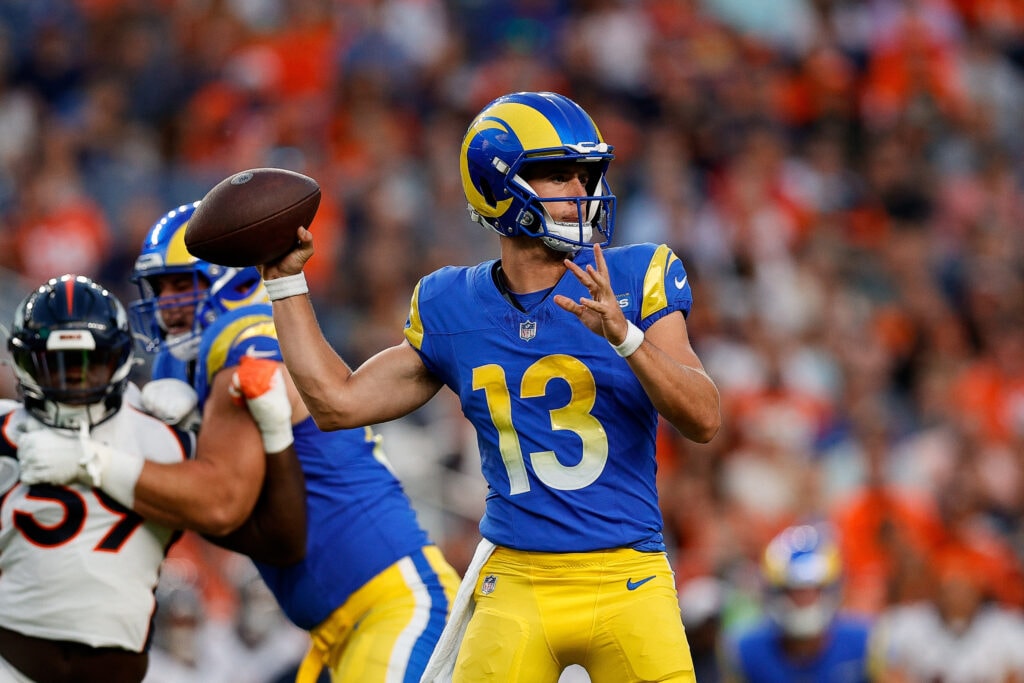
Behind Stafford, the quarterback room is described as extremely inexperienced in the report, which makes the decision particularly noteworthy. When a starter is established, teams often view the backup role through two lenses: readiness for emergencies and a developmental runway for a younger player. McVay’s comment implies Los Angeles believes it can meet those needs without a veteran signing at this stage.
The Rams’ stance also reflects a broader NFL pattern in roster management. At different points in the offseason, teams choose between experienced depth that can absorb practice reps and accelerate game-week preparedness, versus keeping resources available for other positional needs and leaning on younger quarterbacks to grow through the system. In this case, McVay’s public message points to the latter being more aligned with the team’s current plan.
For fans and roster-watchers, the immediate takeaway is that the Rams’ quarterback depth chart may remain largely unchanged, at least through the point when McVay made the comments. If the team later decides that internal development is not progressing quickly enough, an outside addition could still become possible, but the current posture is that the organization is not forcing a veteran move.
What to watch next is how Los Angeles structures its offseason reps and preseason preparation, particularly how the staff evaluates the quarterbacks behind Stafford. If the Rams’ plan is to trust the current group, the decision will be tested by practice performance, readiness during the preseason window, and whether the team feels comfortable with the depth option it has without adding a proven backup.