
THE APEX TIMES
Rams’ Sean McVay stresses “raise our floor” in camp as Nate Landman and Davante Adams define leadership
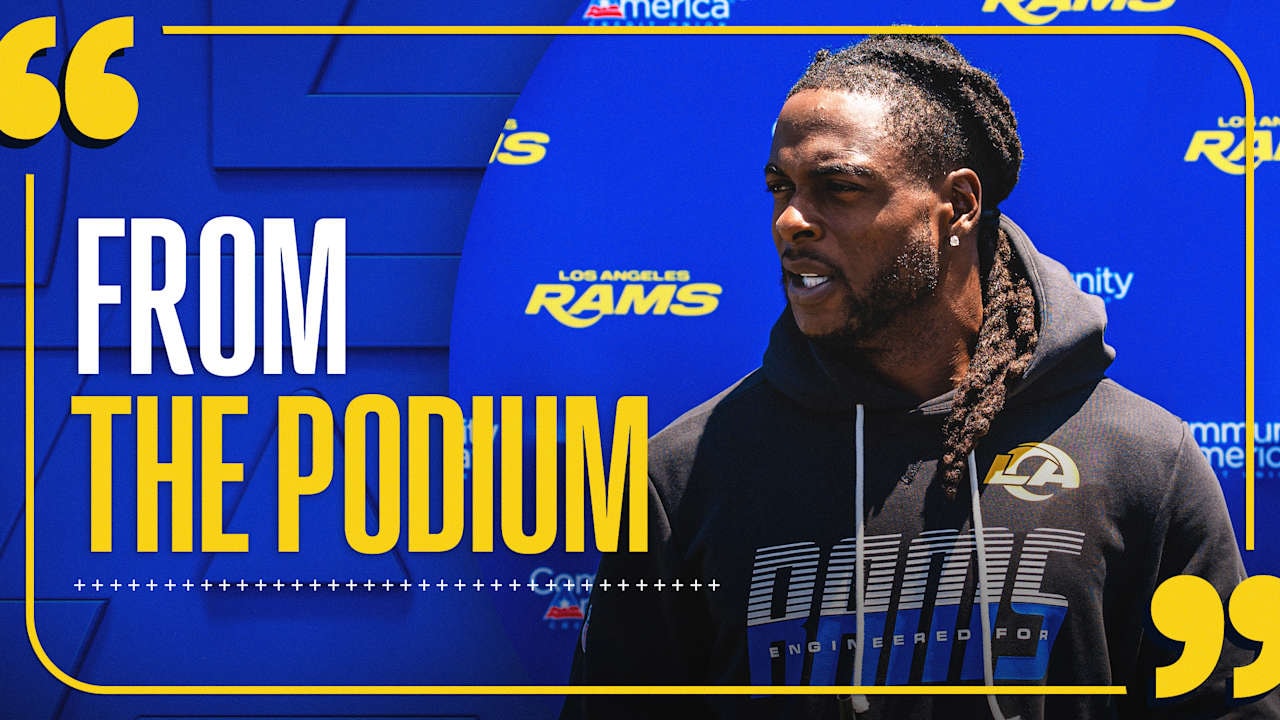
In a training-camp media session on Sunday, Los Angeles head coach Sean McVay connected day-to-day execution to team identity, while inside linebacker Nate Landman and wide receiver Davante Adams discussed how they want teammates to follow their lead on and off the field.
The Los Angeles Rams used their training-camp press conference to put a simple idea at the center of their offseason work, and they framed it around both coaching structure and player leadership. Head coach Sean McVay described a team-wide emphasis on “raise our floor,” a phrase that, in context, is less about reaching the highest peaks every snap than about eliminating preventable mistakes and building reliable habits that show up consistently.
McVay’s coaching philosophy during camp, as reported by the team, is grounded in how practices translate into game situations. “Raise our floor” suggests that the Rams are trying to standardize the baseline of effort and attention, even when the reps are repetitive or the tempo isn’t at game-speed. For a team in training camp, that kind of message matters because the margin over the course of a season often comes from avoiding unforced errors rather than producing highlight plays on demand.
On the defensive side, inside linebacker Nate Landman spoke to how leadership looks when the cameras are off. As the team described it, Landman’s comments centered on his role in guiding teammates during preparation, particularly in the middle of the defense where communication and alignment can shape the outcome of a snap. In a practical sense, an inside linebacker’s leadership is measured by how quickly others settle into assignments, how consistently calls get communicated, and how the group responds when the play changes.
Landman’s leadership discussion also matters because the inside linebacker role is rarely static. Even when players know the scheme, the week-to-week realities of offenses in camp, including different formations and tempo shifts, require the linebacker group to adapt. By tying his leadership to day-to-day standards, Landman’s approach aligns with McVay’s theme. If the Rams want to raise their floor, they need leaders who reinforce the details that prevent communication breakdowns.
On the offensive side, wide receiver Davante Adams addressed leadership from a different angle, describing what it means to set expectations in the skill positions. Adams’ role in camp is naturally visible in routes and timing, but his reported emphasis on leadership points to something broader: helping the offense maintain its structure, especially during the moments when the play calls become familiar and the execution has to stay sharp anyway.
Taken together, the Rams’ leadership portraits from Landman and Adams map onto the same overarching objective. Coaches can install a system, but players help determine whether it becomes a shared standard. The team’s reported focus on “raise our floor” suggests that Los Angeles is prioritizing repeatable execution now, with the understanding that the regular season will punish mental slips as much as it rewards top-end performance.
The next practical checkpoint will be how that leadership shows up in the most scrutinized areas when camp compresses into later practices: consistency in communication, sharpness in assignment football, and sustained execution across multiple sessions. If McVay’s floor-raising message takes hold, the Rams’ early-season identity will likely look more orderly, even on days when the results are not perfect.
For now, the most important takeaway is interpretive rather than transactional: McVay is indicating that the Rams’ standard is meant to rise, not only through big moments but through fewer baseline errors, with Landman and Adams serving as visible reference points for what “reliable” looks like in practice.
Why It Matters
- A “raise our floor” approach is about consistency, and that can reduce the kind of repeat errors that often swing close games over a season.
- Leadership from the inside linebacker spot can influence defensive communication and assignment reliability, which is foundational in almost every down.
- Leadership from a veteran wide receiver affects timing, route execution, and offensive cohesion, especially as younger players and backups cycle through reps.
- The Rams’ early-season identity is often set in camp habits; this session indicates the team wants those habits to be measurable and repeatable.
Sources
Key Facts
- Los Angeles Rams head coach Sean McVay addressed training-camp philosophies during a team media session on Aug. 2, 2026.
- McVay used the phrase “raise our floor” to describe what the Rams are emphasizing in camp.
- Inside linebacker Nate Landman discussed his leadership role in guiding teammates during training camp, as described by the team.
- Wide receiver Davante Adams reflected on leadership responsibilities from the offensive skill-position perspective, as described by the team.
- The conference centered on aligning coaching standards and player leadership to improve daily execution.