
THE APEX TIMES
Rams tap 11 captains, a leadership-heavy group for the start of the 2026 season
Los Angeles will enter 2026 with a rare captaincy structure, with Sean McVay describing the team’s leadership depth as especially strong.
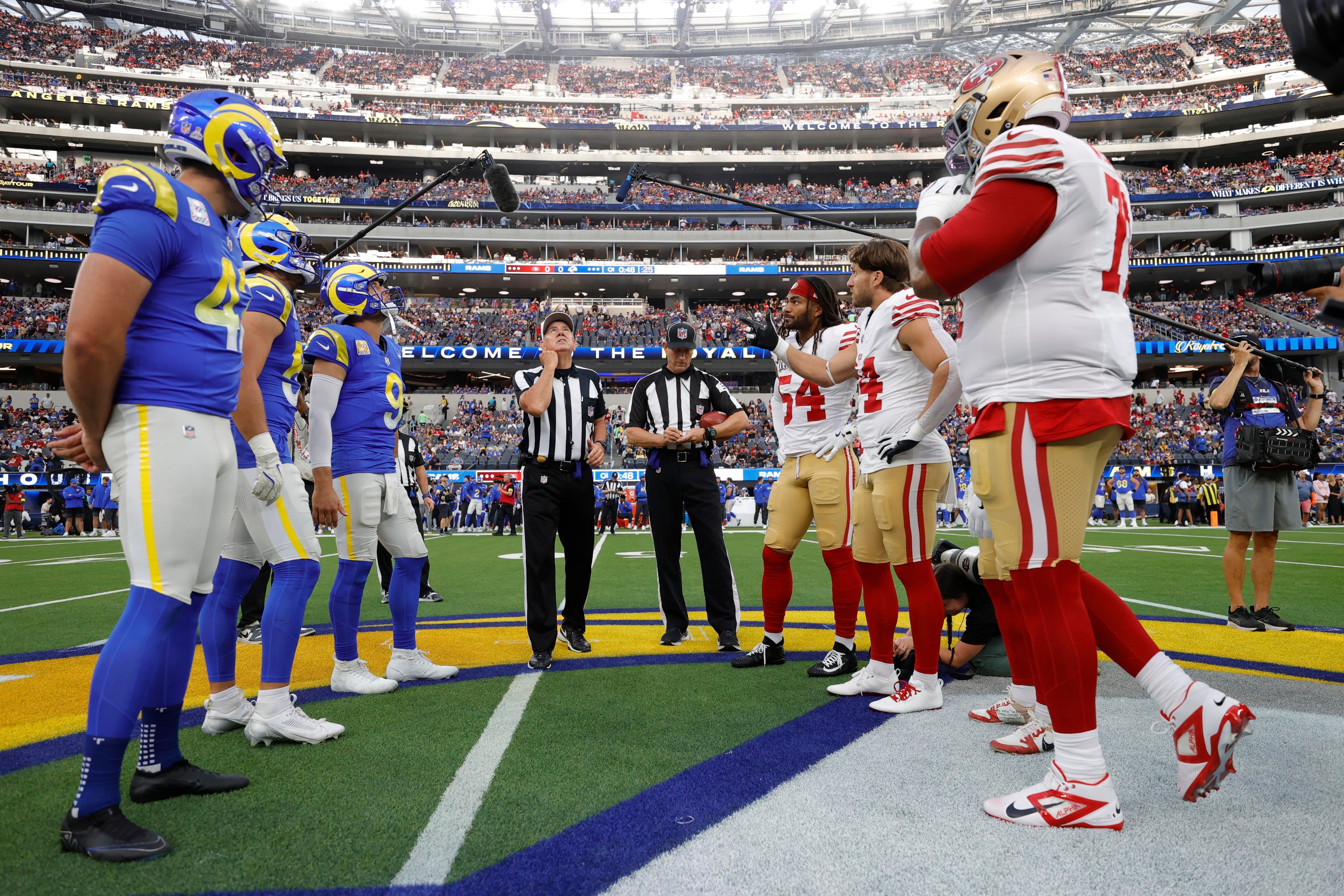
The Los Angeles Rams announced 11 team captains for the 2026 season, a number described as the most in the Sean McVay era. The move indicates how the franchise plans to organize leadership across offense, defense, and special teams, rather than relying on only a small, single-core captain group.
McVay characterized the decision as a reflection of how “flush” the Rams are with leadership entering the year. That framing matters because, in the NFL, captain selection is often used as a proxy for who will set the tone in practice habits, accountability during games, and communication in high-pressure stretches.
While captaincy is not the same as playmaking or even formal authority, it does shape the internal rhythm of a roster. A larger group can spread responsibilities across positional groups, create redundancy when different players are on the field at different times, and reinforce message consistency when the team rotates personnel or changes game plans.
The Rams’ 11-captain announcement also arrives at a time when NFL teams are increasingly conscious about organizational culture. The league’s structure forces constant adaptation, from meeting rooms to sideline calls, and leadership depth can reduce the drop-off when lineups shift late in games or when young players step into larger roles.
For fans, the practical question is how those 11 captains will function day to day. Will the Rams use them mainly as identity markers, or will they create a more distributed on-field command structure during drives and defensive series? Either way, the captain group is likely to be one of the clearest visual indicators of who is trusted to keep the team aligned.
The next test will come early in the season, when leadership is measured less by public statements and more by how the Rams respond to adversity. If the captaincy depth translates into consistent execution, it can help the team sustain focus through long games, quick turnarounds in play calling, and momentum swings.
For now, the Rams are presenting 2026 as a year built on collective leadership. The team’s ability to turn that into results will determine whether 11 captains is simply a cultural message or an actual competitive advantage across the season.
Why It Matters
- A larger captain group can spread accountability across positional units, potentially improving communication during complex in-game adjustments.
- Leadership structure often influences how teams handle adversity, especially when games swing quickly or rosters rotate.
- Captaincy depth can affect practice culture and peer accountability, which can matter in early-season consistency.
- For the Rams, the move offers a clear organizational message: leadership is not concentrated, it is distributed.
Key Facts
- The Los Angeles Rams announced 11 team captains for the 2026 season.
- The Rams’ 11-captain group is described as the most in the Sean McVay era.
- Sean McVay said the Rams are “flush” with leadership entering 2026.
- The captaincy announcement indicates an intentional, multi-player leadership structure across the team.
- The announcement is centered on leadership depth rather than a single headline roster change.