
THE APEX TIMES
Rapid reaction: Packers’ offense shows signs of arrival, but the work is not finished
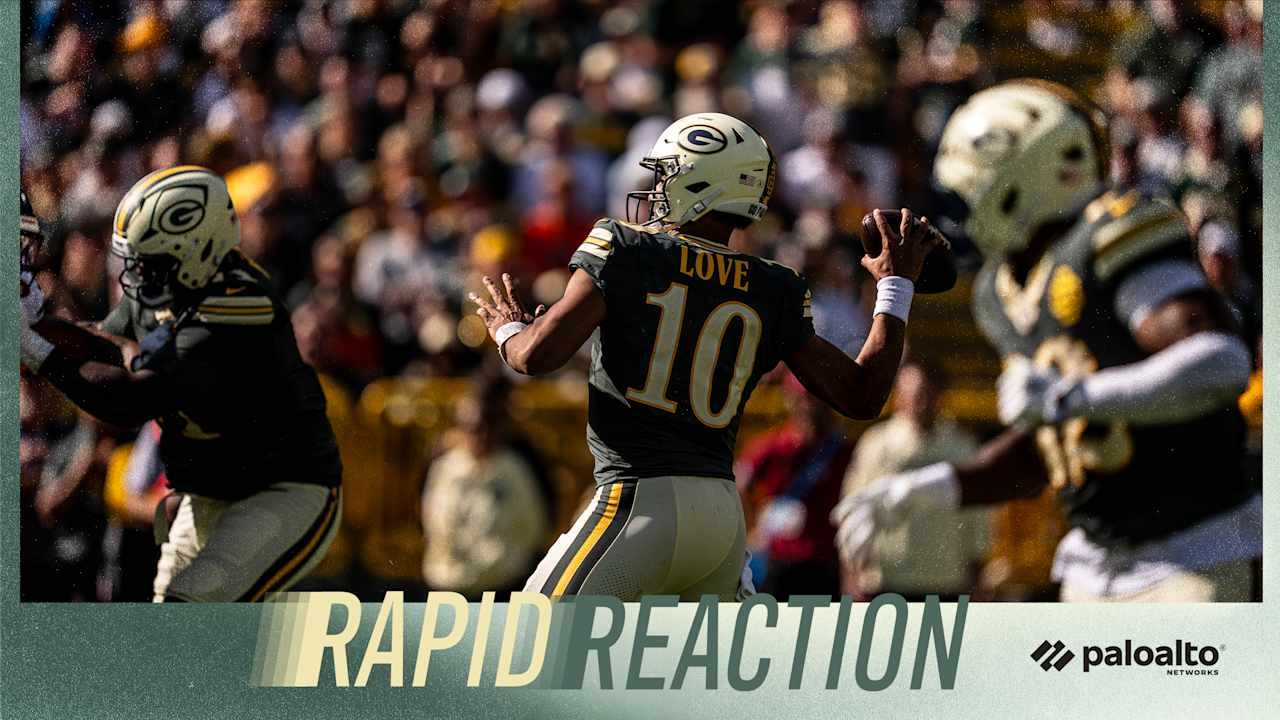
Green Bay’s offensive performance against Chicago marked a noticeable shift from the slow start, and it’s a step toward the identity the franchise expected to see early in the season.
The Packers’ offense looked closer to what everyone expected it to look like at this point, at least for long stretches, and the team’s rapid reaction after the Week 5 performance against the Bears framed it as progress with conditions. Green Bay’s passing and overall offensive execution improved in a way that felt concrete, not cosmetic, but the message was equally clear: the offense is still not operating at the consistent level required to be comfortable week to week.
From the Packers’ own framing, the encouraging part was the look and the rhythm. The offense “finally” resembled the version that observers had anticipated since the season began. That matters because early-season offensive problems can change how defenses plan and how confidently play callers attack. When an offense begins to execute on schedule, even without perfection, it forces opponents to adjust and it creates more favorable second-and-third-down situations.
At the same time, the team’s assessment did not treat the Week 5 showing as a breakthrough that settles everything. The Packers described the performance as a step in the right direction, followed by the reminder that it is still “a ways to go.” That distinction is important. Teams can produce a convincing snapshot in one game, yet still struggle to sustain the same output across different opponents, game scripts, and in-game adjustments.
The context of a “rapid reaction” is also useful: it is not an end-of-season verdict, and it is not an evaluation of every offensive component in total. It is, instead, a first read on what changed and what must carry forward. For the Packers, the central question going forward will be whether the offense’s improvements are repeatable, especially on the drives that follow early momentum, when the opponent resets and starts trying to take away what worked the first time.
Green Bay’s next phase, then, is less about celebrating one tidy improvement and more about building offensive consistency. That includes sustaining drives, converting the higher-leverage opportunities, and controlling the tempo so the offense’s best plays are not isolated moments. When a team starts to move in the right direction, the roster can remain the same while the offensive identity looks different, because decisions and execution begin to align.
The “still a ways to go” line also sets expectations for how the Packers should respond to any regression. If the offense returns to old habits, the Bears game will be treated as proof of potential rather than confirmation of direction. If Green Bay continues to look like the version they teased on offense, the Week 5 performance will be remembered as a turning point when the offense stopped searching and started behaving like the unit it was expected to be.
Why It Matters
- Offensive identity can affect how quickly a team becomes predictable to opponents, and how efficiently it creates scoring chances.
- Sustaining execution after a breakthrough helps determine whether the Packers can string together wins rather than rely on flashes.
- How Green Bay builds on this performance will influence future defensive matchups and game-script control.
- The “a ways to go” message suggests the Packers still have growth targets even if the trajectory looks better than before.
Sources
Key Facts
- The Packers’ official site published a Week 5 rapid reaction focused on the offense’s performance versus the Bears.
- The team described the offensive showing as a more recognizable version of the unit many expected to see earlier in the season.
- Despite the improvement, the evaluation emphasized the offense is still not fully there and requires more development.
- The article frames the Week 5 performance as progress, not a final resolution, with consistency as the next benchmark.