
THE APEX TIMES
Rasmussen Re-enters MLB’s Top Starting-Pitcher Power Rankings as the Playoff Race Tightens
With roughly six weeks remaining in the 2026 regular season, MLB’s pitcher power list spotlights the arms most likely to swing division titles, wild-card positioning, and the late-season matchups that decide postseason teams.
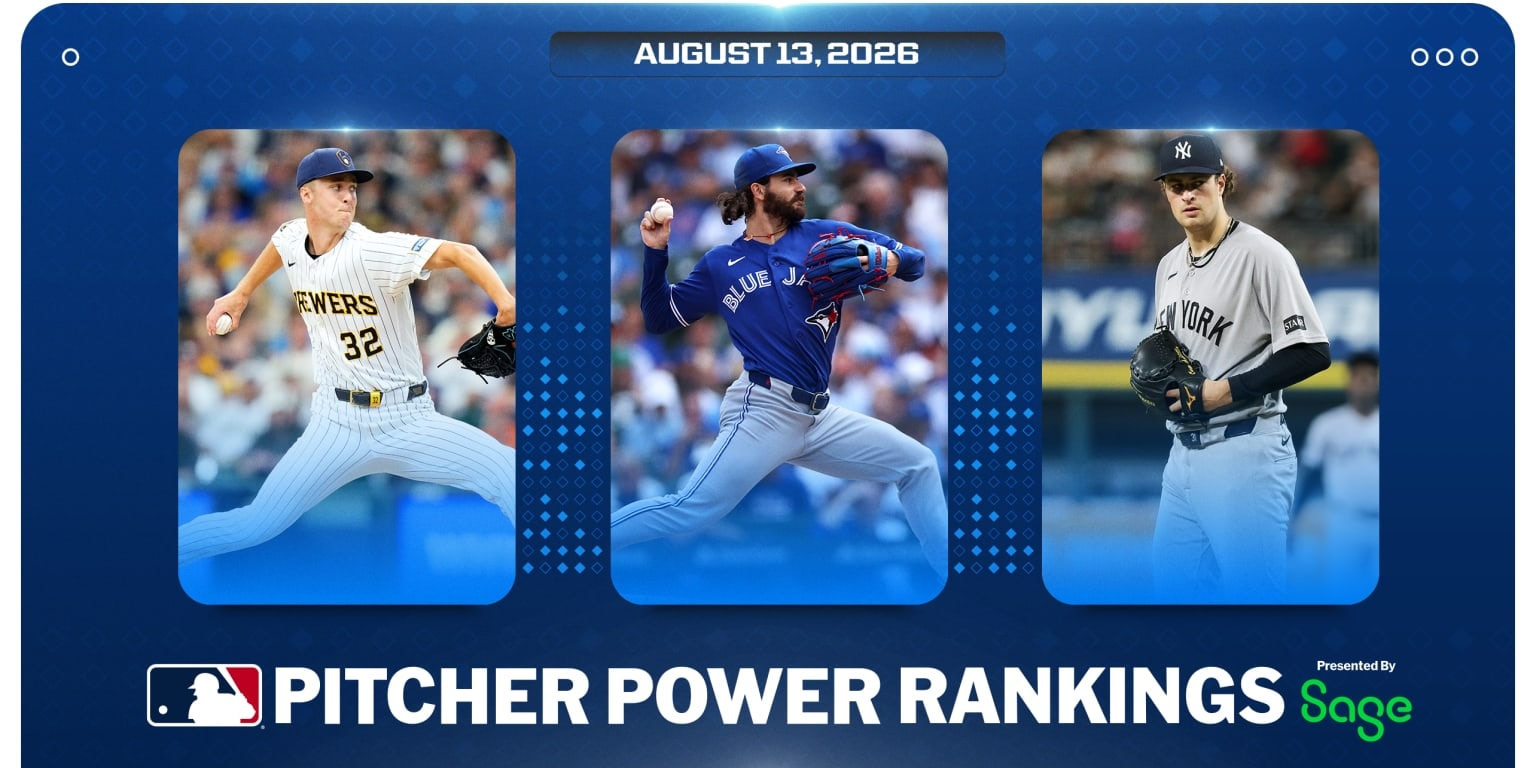
One of baseball’s most closely watched late-season questions is which starters can separate themselves when every start carries playoff weight. On Thursday, MLB’s pitcher power rankings reset that debate around the league’s top rotation pieces, and Rasmussen’s return to the list is the clearest headline from the latest edition. The timing is no accident. With just about six weeks left, teams are already jockeying for playoff positions, and managers increasingly lean on their best starters to turn schedule complexity into controllable outcomes.
The rankings come from MLB’s regular series evaluating the current impact of starting pitching across the season, then translating it into a practical question: who is most likely to deliver top-tier results over the stretch run. Rasmussen’s reappearance among the league’s top 10 starting pitchers indicates that MLB views him as part of the group capable of helping a team win crucial games against divisional opponents and strong cross-league contenders, where late-inning leads can be decided by one of two starts.
What makes these lists matter in late August is that they reflect more than raw performance. MLB frames the power rankings around “pitcher power,” which in turn emphasizes the repeatable aspects of pitching that tend to show up when pressure rises, including the ability to command fastballs and breaking pitches, keep hitters from settling into timing, and consistently navigate lineups multiple times through a start. The series also treats durability and the ability to function at a high level as essential, because the stretch run rewards starters who can be trusted with a full workload.
Rasmussen’s placement is especially notable because the race for postseason seeds tends to reward teams that have a reliable answer for the most difficult series. In many seasons, a contender’s playoff path can hinge on whether its top starters can produce against opponents that rank well offensively, then do it again a few days later when the schedule turns into a sequence rather than a single game. MLB’s choice to bring Rasmussen back into the top tier suggests that his current form fits that demand.
The context around the list is also shaped by how front offices plan rotations in the final weeks. Even teams with solid depth still have to decide who starts the most consequential games, especially when rest days and travel complicate matchups. Power rankings like this function as a shorthand for those decisions, highlighting the starters most likely to be treated as anchors when a team needs a stable foundation rather than a gamble.
There is, of course, a limit to what any power ranking can guarantee. Baseball outcomes remain sensitive to factors that cannot be ranked, such as lineup health, game environment, and the small variability that comes with every pitch. Still, the purpose of the rankings is to separate “good” from “timely and repeatable,” and Rasmussen’s return indicates that MLB sees his profile as aligned with the demands of a playoff race entering its final month and a half.
Going forward, the practical test for the player at the center of the headline is simple: whether he continues to validate the ranking in high-leverage starts, particularly those that decide divisional positioning and wild-card distance. With six weeks left, every rotation spot becomes a strategic resource, and these rankings offer one way to watch who is best positioned to spend that resource wisely.
Why It Matters
- As teams jockey for playoff positioning, top starters can have outsized influence on standings over a compressed schedule.
- Late-season matchups often reward pitchers who can maintain command and effectiveness through multiple lineups and through pressure situations.
- Power rankings provide a benchmark for how clubs and observers may prioritize rotation strength during the final weeks.
Key Facts
- MLB published its latest “starting pitcher power rankings” as the 2026 regular season enters the stretch run.
- The article highlights roughly six weeks remaining in the regular season and the increased importance of late-season starts.
- Rasmussen is listed among MLB’s top 10 starting pitchers in the most recent rankings.
- The rankings are presented as a measure of current pitcher impact and repeatability for playoff-relevant games.