
THE APEX TIMES
Rasmussen turns in his best stretch yet, but Ohtani’s homer leaves Rays with a lone blemish
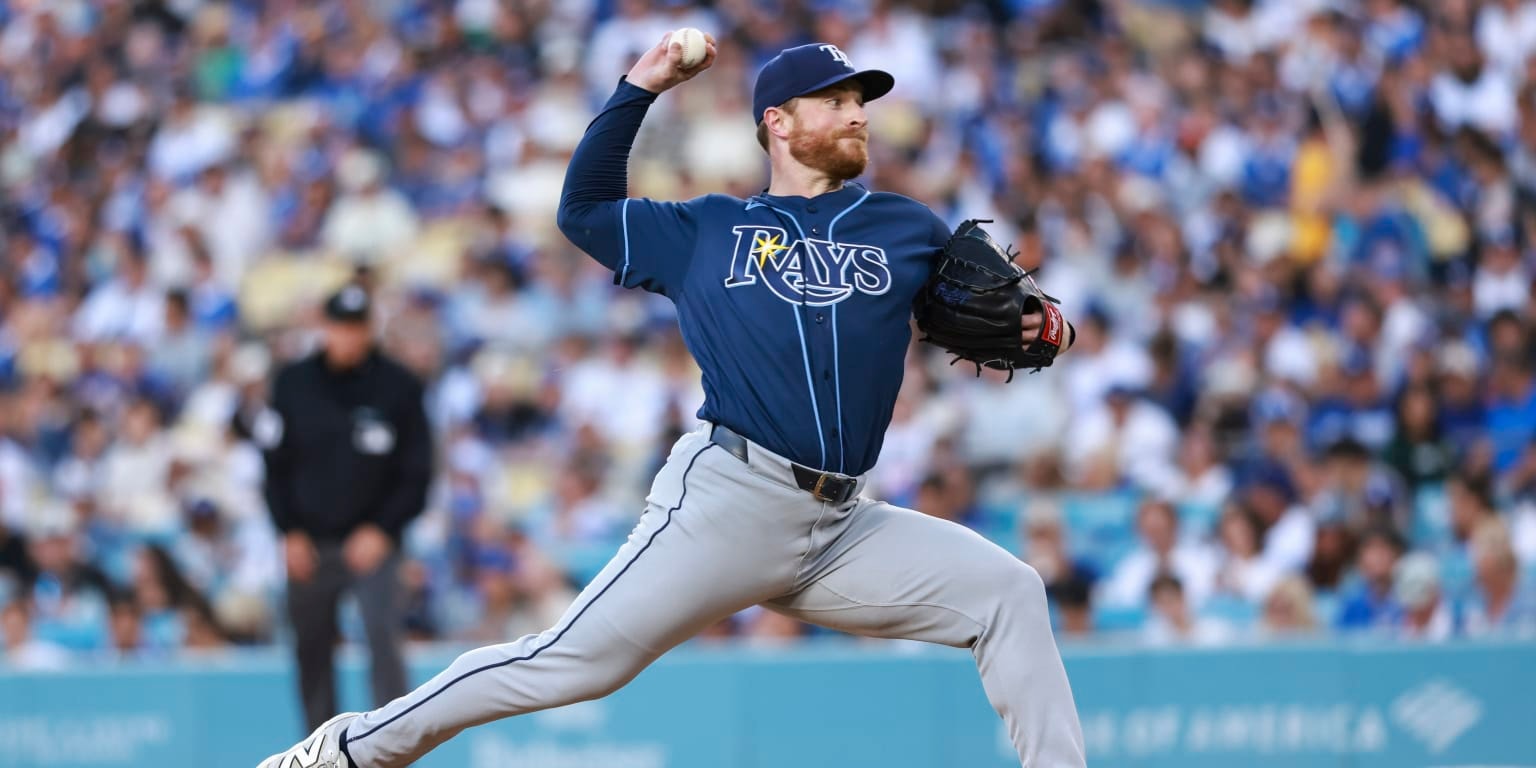
Drew Rasmussen kept the Dodgers’ lineup mostly quiet for the third straight start, striking out seven over seven innings. Shohei Ohtani’s home run in the sixth was the only run Rasmussen allowed as Tampa Bay continued to ride a strong form streak.
The Tampa Bay Rays saw another quality start from right-hander Drew Rasmussen on Tuesday night in Los Angeles, and it still wasn’t enough to fully erase the Dodgers’ star power. Rasmussen extended what the team’s coverage described as one of the best stretches of his Major League career by allowing just one run across seven innings, with his only real damage coming when Shohei Ohtani took him deep in the sixth inning.
Rasmussen’s outing followed a pattern of recent dominance. According to the Rays’ game recap, it marked his third consecutive seven-inning start, and the “one-run” theme has defined the run of success leading into this matchup. In this game, the Rays’ starter limited the Dodgers’ high-end lineup to a single tally, preventing traffic from turning into multi-run innings.
The most consequential swing came in the sixth. Ohtani’s home run was the lone run Rasmussen surrendered, leaving him to work the rest of the way with a narrow margin to defend. For all the attention Ohtani draws, the specific detail that Rasmussen’s only run allowed came on that pitch gives context to how well he handled the Dodgers’ overall approach.
Rasmussen’s control showed up in the strikeout total as well. The recap credited him with seven strikeouts, a number that fits the shape of his performance: enough to miss bats, enough to avoid extended damage, and enough to keep Tampa Bay in the game while the Rays’ offense worked to manufacture runs.
What separates this start from a generic “good outing” is how little he allowed outside that one blemish. The coverage described the matchup as Rasmussen continuing an arguably top stretch of his career, which matters in a season where rotation depth and consistency can decide how long a club can stay competitive through a dense schedule.
From a team-building standpoint, Rasmussen’s durability over multiple straight seven-inning starts is also a practical advantage. Even without discussing bullpen usage or final results, a starter who regularly reaches that length gives managers a more stable late-inning plan, especially against lineups that can punish mistakes.
Going forward, the key storyline will be whether Rasmussen can carry the same rhythm into his next turn. The Rays’ recent arc, as characterized by this recap, sets a high bar, and Tuesday’s game provides a clear benchmark: keep the Dodgers to one run or fewer, and do it while sustaining command long enough to make the fifth and sixth innings survivable, even against hitters as dynamic as Ohtani.
Why It Matters
- Rasmussen’s ability to string together seven-inning starts gives the Rays a steadier foundation for the rest of the pitching staff.
- Limiting a high-powered Dodgers lineup to one run highlights Tampa Bay’s rotation effectiveness against elite opposition.
- Ohtani’s homer being Rasmussen’s only blemish underscores how complete the performance was until a single, high-leverage swing.
- For the Rays’ postseason outlook, sustained rotation consistency can reduce variance over long stretches.
Key Facts
- Drew Rasmussen started for the Tampa Bay Rays against the Los Angeles Dodgers on Tuesday night.
- Rasmussen allowed one run over seven innings, with the only run coming on Shohei Ohtani’s home run in the sixth.
- The outing was Rasmussen’s third straight seven-inning start.
- Rasmussen recorded seven strikeouts.
- The Rays’ recap characterized the start as part of the best stretch of Rasmussen’s Major League career.