
THE APEX TIMES
Ravens build their own “Domestic Cup,” comparing top NFL talent by U.S. region
Baltimore’s latest offseason storytelling project borrows the World Cup format to ask a simple question: which part of the country has produced the most formidable Ravens roster, based on where players played high school football.
The Baltimore Ravens have turned offseason imagination into a football exercise, using a World Cup-style “Domestic Cup of Ravens Football” to compare which U.S. region has produced the best collection of active NFL talent in the franchise’s orbit. The concept follows an earlier ESPN idea from Bill Barnwell that grouped NFL players by their geographic origin and then assembled eight rosters to “play it out” in tournament fashion.
Baltimore’s implementation narrows the focus to players who have mattered most to the Ravens. The club said eligibility is determined by where each Raven played high school football, and that newcomers can be included while the player’s “peak time with the Ravens” is what matters for the hypothetical roster construction. In other words, it is not meant as a full-career ranking across every season a player wore the purple, but rather a way to spotlight the stretch when they were most impactful for Baltimore.
The Ravens also acknowledged a key limitation of the exercise: not every region is represented. Baltimore said some areas do not make the cut, including the Pacific Northwest, because there are not enough Ravens with high school roots there to form a complete roster under the project’s rules. Even so, the club still divided the country into eight regions, echoing the tournament structure that makes the “cup” feel like more than an opinion piece.
Within the framework, the Ravens’ regional rosters highlight how different football pathways can translate into similar results on Sundays. On the quarterback side, Baltimore’s example for one region leans on Trent Dilfer, noting he played eight games with the Ravens during his time in Baltimore but that those games were enough to support a narrative of a championship-level run. The franchise’s write-up points to Dilfer going 7-1 with the Ravens and winning Super Bowl XXXV as part of the case for his regional “QB1” status in the tournament concept.
The project also considers depth and alternate options rather than treating every position as a one-name answer. Using the same regional framework, the Ravens included Tony Banks as a backup quarterback in the example they cited for that roster build, reflecting the broader idea that the strongest “cup” team is about collective value, not just a headline star.
For another region, the Ravens described how the depth chart changes when you shift to running backs and skill positions. The club pointed out that California, while “paper-thin” at running backs who played for the Ravens, would still find a notable fit in Ricky Williams, cited for his production as Ray Rice’s backup in 2011. Baltimore’s write-up says Williams totaled 444 rushing yards on 108 carries that season, giving the fictional roster a grounded identity even if the pipeline of Ravens from that region at the position is thinner than elsewhere.
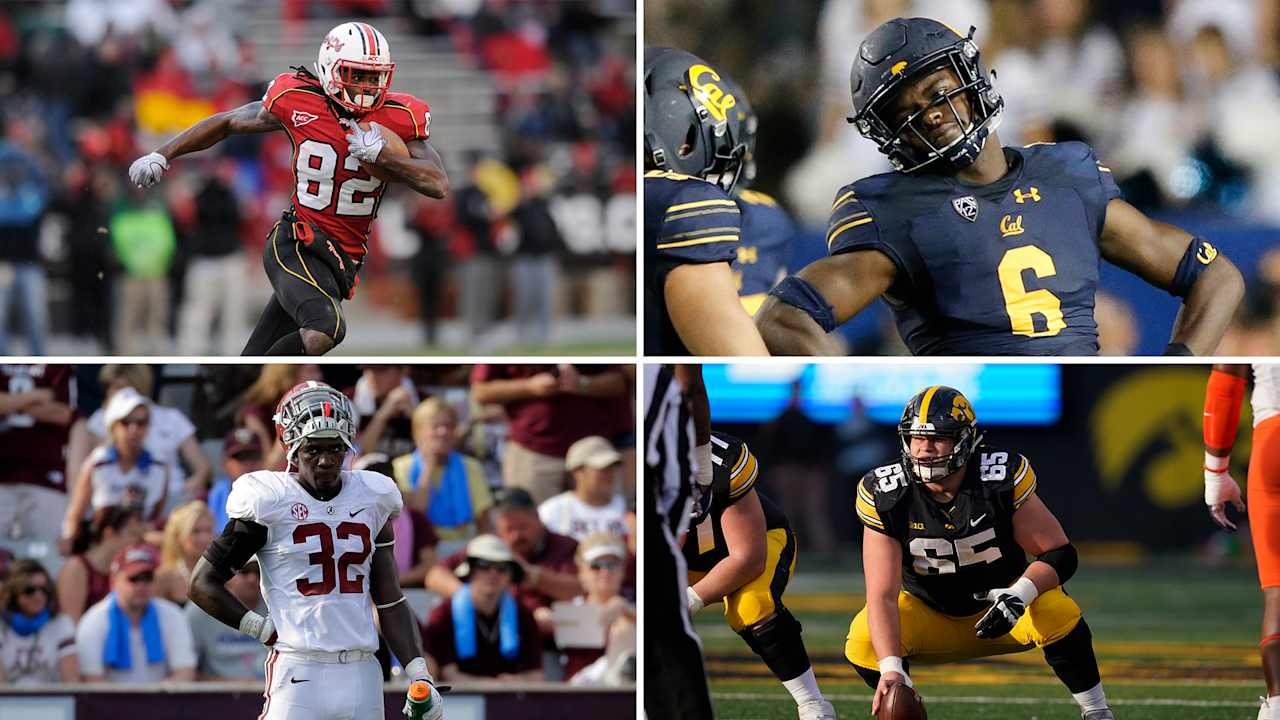
The Ravens’ regional build further illustrates how the rules can affect position groups. Baltimore said California’s wide receiver-tight end connection centers on “Smith Sr. and Pitta,” and that the roster uses an extra slot for a skill position by adding another California high school product, Dickson. On the offensive line side, Baltimore’s example for California pairs Mekari and Mulitalo as a guard tandem, while also warning that the same roster might struggle at blocking “premier” talent, a nod to how the tournament format forces tradeoffs when you balance coaching logic with geographic eligibility.
The broader point is that the Ravens are treating roster construction like a thought experiment with real football stakes, even if it is not a literal matchup. For fans, it is a way to revisit franchise history through the lens of player origins, and it doubles as a bridge between ESPN’s regional “Domestic Cup of American Football” concept and Baltimore’s own franchise identity. What to watch next is whether the Ravens expand the project into a larger fan-facing bracket or use it as a recurring offseason series, because the region-to-region comparisons are inherently open-ended and lend themselves to further discussion even after the “cup” is imagined.
Why It Matters
- The exercise turns geography into a lens for evaluating franchise impact, offering a new way to interpret Ravens history without changing any on-field reality.
- By emphasizing peak Ravens usage and performance windows, the project highlights how teams value time periods and roles, not just career totals.
- The “not all regions represented” caveat underlines how player pipelines can differ, which is a useful reminder when discussing roster building in the real NFL.
- Fans may use the bracket concept as a springboard for debating positional strength across the league’s talent hotspots, even if the rosters are hypothetical.
Sources
Key Facts
- Baltimore launched a “Domestic Cup of Ravens Football” project that borrows the World Cup concept to compare top Ravens by U.S. region.
- Eligibility is based on where each Raven played high school football, and the roster focuses on a player’s peak time with the Ravens rather than the entire career.
- The country is divided into eight regions, and Baltimore said some regions are not represented due to insufficient Ravens with high school roots there (including the Pacific Northwest).
- In one cited roster example, the franchise points to Trent Dilfer as “QB1,” noting he played eight career games with the Ravens and went 7-1, including a Super Bowl XXXV title.
- Baltimore’s example list also includes Tony Banks as a backup quarterback in the same regional build.
- For California in the project, Baltimore cited Ricky Williams’ 2011 output as Ray Rice’s backup: 444 rushing yards on 108 carries.
- Baltimore said California’s skill-position roster features a wide receiver-tight end pairing of Smith Sr. and Pitta, plus an added slot skill player (Dickson), and it pairs Mekari and Mulitalo on the interior line.