
THE APEX TIMES
Baltimore’s offseason narrative is focused on defensive chemistry and the second-year leap from Malaki Starks, while its core playmakers Lamar Jackson and Kyle Hamilton are positioned as elite difference-makers.
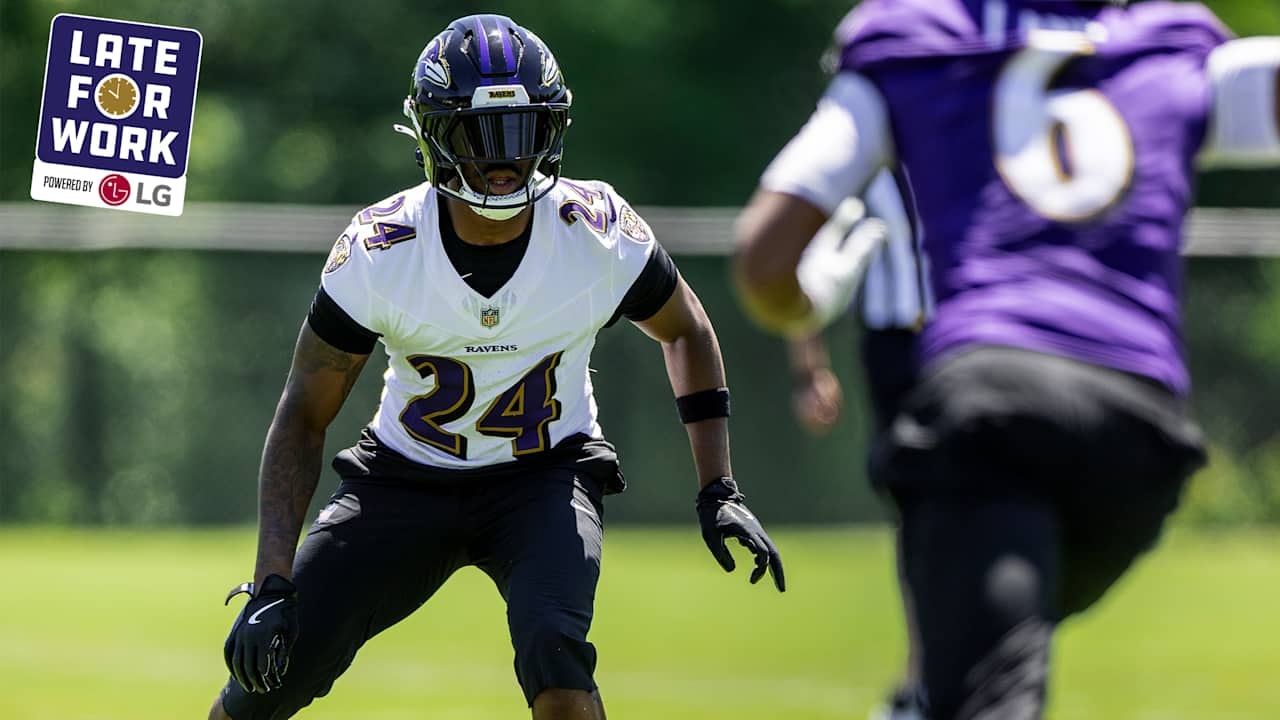
On June 18, the Baltimore Ravens published a “Late for Work” preview that frames the 2026 season around a simple idea, Year 2 can change everything. The centerpiece of that theme is Malaki Starks, the second-year defensive piece the team says has room to make a breakout leap in his sophomore season.
The Ravens’ preview ties that breakout expectation to a broader defensive identity, emphasizing the potential fit of Roquan Smith and Teddye Buchanan as a duo. Smith is presented as a stabilizing, high-impact presence, while Buchanan is described in the same breath, suggesting Baltimore expects those complementary roles to translate into consistent, week-to-week results rather than isolated flashes.
Starks’ second-year arc is the Ravens’ most direct storyline. In the team’s framing, the excitement is not just that he can improve, but that the groundwork is in place for a stronger season if he follows through on the type of development that tends to show up after a full pro offseason and a clearer understanding of what an NFL defense asks of him.
Baltimore also points to its top-end talent on both sides of the ball, linking defensive leadership with star-level playmaking. The Ravens’ article says Lamar Jackson and Kyle Hamilton make an “All-PFF team,” underscoring how the team sees its most critical performers as capable of carrying game plans rather than simply participating in them.
That matters because the Ravens’ title path typically depends on two things aligning. First, the defense needs more than one strong unit, it needs coverage that holds up long enough for pressure to pay off, and it needs play recognition that prevents big plays from breaking the flow of a game. Second, Jackson’s offense needs to keep enough control of the schedule to force opponents into passing situations on Baltimore’s terms, which then feeds what Smith and Buchanan can do in space.
Even with that optimism, the Ravens’ own approach is framed as best- and worst-case thinking, not a guarantee. A Year 2 breakout is always partly about opportunity, role clarity, and how quickly a player’s strengths become repeatable. For Starks, that means the jump the Ravens are highlighting still has to show up across film, assignments, and situational execution.
What to watch next is whether Baltimore’s defensive pairing narrative becomes measurable in training camp and the early part of the regular season. If Starks’ development shows up quickly, the Smith-Buchanan tandem the Ravens are banking on should look more seamless, and the “elite difference-maker” framing around Jackson and Hamilton becomes less of an offseason projection and more of a weekly reality.
In short, Baltimore’s message is that 2026 is a year where the Ravens want roles to tighten, chemistry to mature, and their most important players to keep raising the floor. The plan, as presented by the team, is to have Starks take a meaningful step while Smith and Buchanan establish the defensive tone, with Jackson and Hamilton reinforcing the ceiling. The season will decide whether the second-year leap meets expectations.