
THE APEX TIMES
Baltimore’s latest club look at its offseason program points to how adding a veteran wideout like Keenan Allen fits into the Ravens’ broader preparation, while staff relationships and young playmakers shape expectations inside the building.
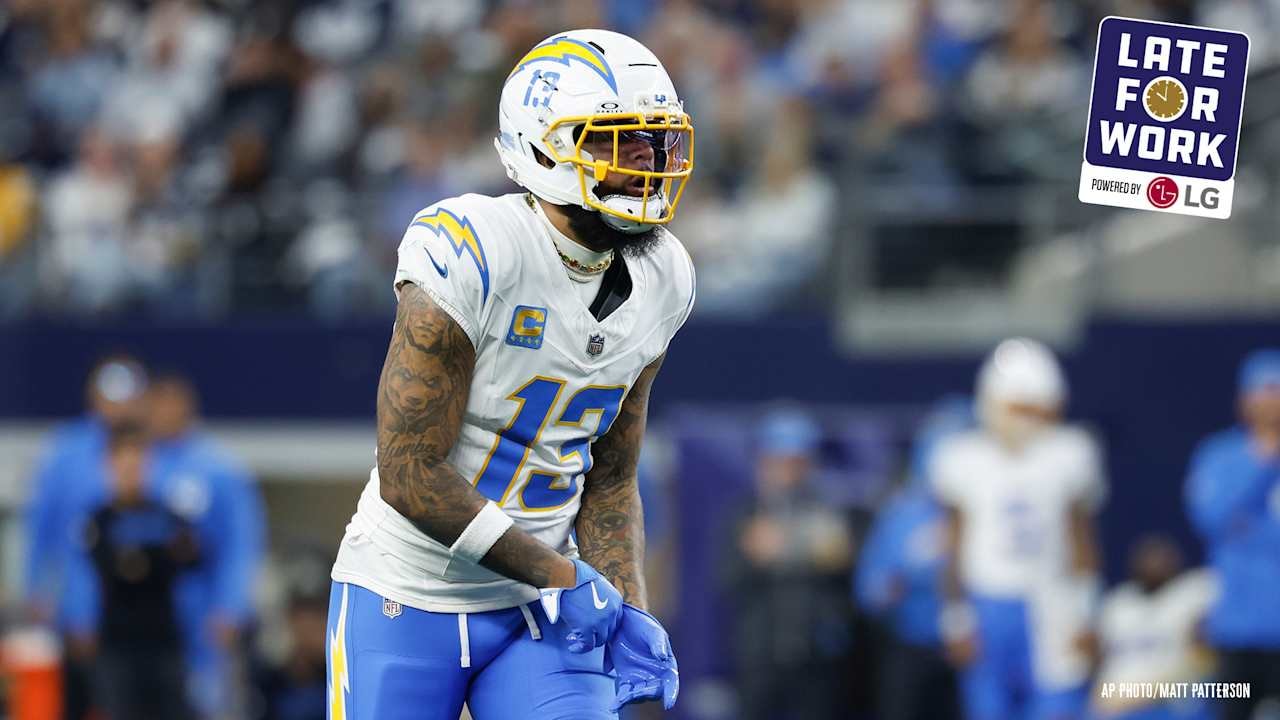
The Ravens’ offseason conversations are starting to look like a checklist of complementary pieces, with the wide receiver room and the development pipeline at the center of the staff’s emphasis. In a club feature published today, Baltimore frames the arrival of veteran pass-catcher Keenan Allen as a move that should be on the organization’s “to-do list” for the late stages of roster building, particularly as the team tries to turn offseason work into consistent execution during training camp.
Allen’s name stands out in part because of what the Ravens’ own storytelling suggests about their approach: they are not simply chasing athletic traits, they are trying to accelerate the learning curve. In the same piece, the team connects personnel decisions to the habits that were created when defensive coordinator Wink Martindale and (now) Ravens staff member Jesse Minter worked together in Baltimore. The message is that veteran leadership can help close the gap between concepts taught in meetings and the details that show up in live football.
The Ravens also referenced adding another experienced option in the passing game, mentioning Adam Thielen alongside Allen in its discussion. The inclusion of a second known commodity reinforces a practical offseason theme, teams want more than one reliable reference point for route timing, communication, and situational awareness, especially for the quarterback-Receiver chemistry that is built rep by rep.
Beyond the receiving group, Baltimore highlighted Zion Young as an “X-factor,” tying the young player’s upside to the defensive identity the Ravens are trying to maintain. In franchise terms, the X-factor framing usually indicates a role that could swing how a unit performs, whether that means creating matchup advantages with speed and pressure or adding another disruptive look when opponents adjust.
The staff’s background ties inside the article are also part of the context. By calling out Martindale and Minter’s time together, the Ravens are effectively saying that the organizational brain trust is shaping player preparation, not just game plans. For fans, that matters because it suggests Baltimore is prioritizing repeatable foundations, then layering in talent so the team can operate with fewer “unknowns” as the season approaches.
Even with those themes, it is important to separate commentary from confirmation of day-to-day details. The club feature is a team perspective on offseason priorities, not a comprehensive transaction log, and it does not substitute for watching the players absorb the playbook on the practice field. The bigger test for these ideas will come in training camp usage, preseason availability, and how quickly the offense and defense look settled under game-speed communication.