
THE APEX TIMES
Ray Morehart’s 1926 twin-bill hitting binge, plus a modern White Sox link on Aug. 31
On August 31, 1926, White Sox infielder Ray Morehart tied a major-league standard by collecting nine hits in 10 at-bats across a doubleheader in Detroit. Decades later, the date still shows up in White Sox history columns, including a separate Aug. 31 note involving Colson Montgomery.
August 31 has a way of stacking baseball trivia, and on this date the White Sox record book spotlights an especially stark kind of hot streak. In 1926, Chicago’s Ray Morehart produced one of the most efficiently punishing batting lines ever assembled in a single day. Playing a twin bill at Detroit, Morehart tied a major-league record by going 9-for-10 at the plate across the two games, a rare combination of quantity and consistency that left no “off” at-bats to explain away.
The breakdown matters because it shows the hits came in bursts rather than as a slow climb. In the opener, Morehart went 5-for-6. Then in the nightcap, he added a perfect 4-for-4 performance, bringing his total to nine hits with only a single miss in 10 at-bats for the doubleheader. Two of his nine hits were doubles, a reminder that it was not just singles-and-roller-burner production but extra-base output as well.
For baseball historians, records like this are memorable because they compress variance. A doubleheader is already a unique test, with irregular rest, repeated adjustments, and pitchers who can change their approach between games. Matching a major-league standard under those conditions suggests Morehart’s timing, plate selection, and contact quality were aligned in a way that does not show up often, even among players known for hitting.
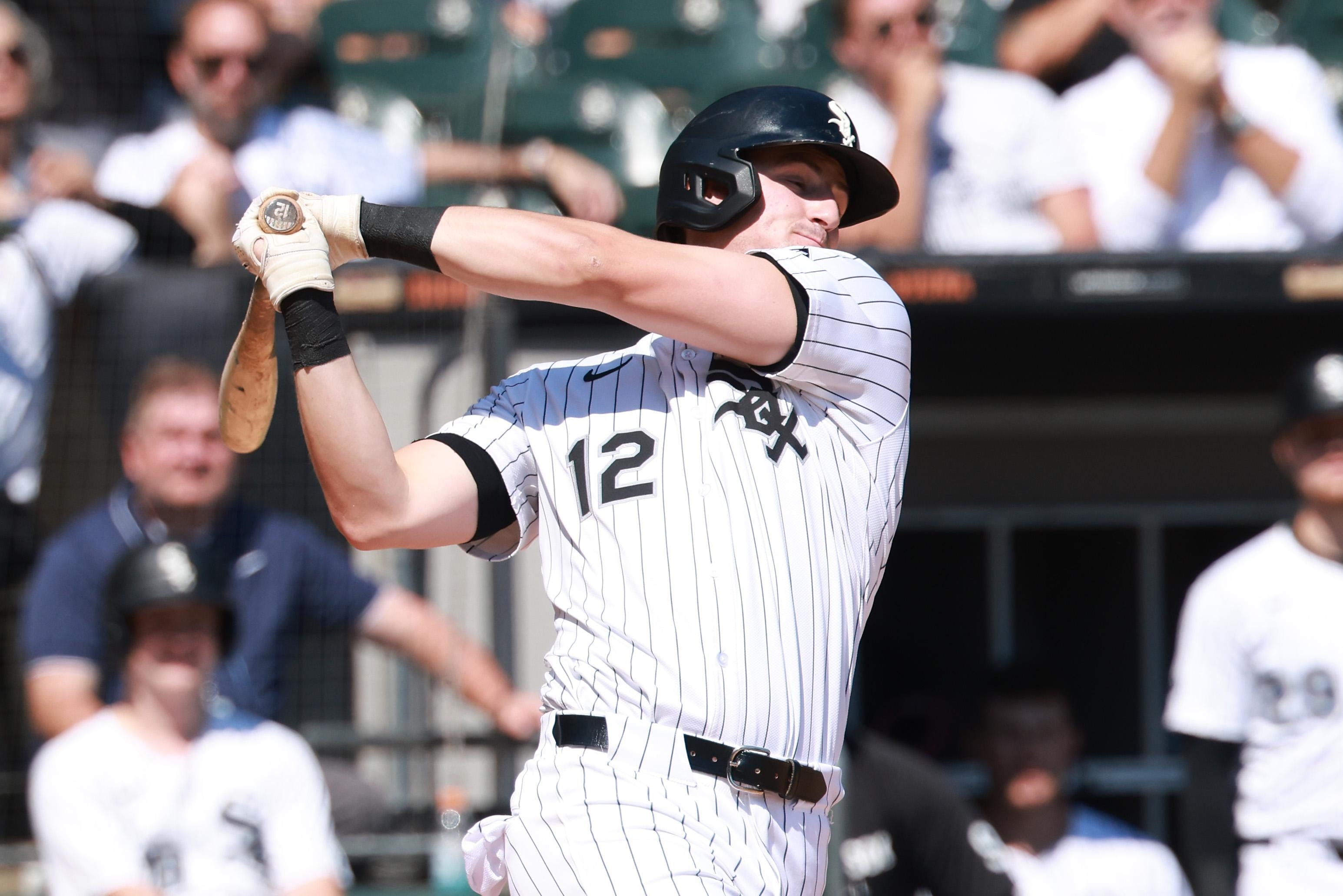
The calendar tie-in in the modern era is the other reason Aug. 31 remains useful as a reference point in White Sox storytelling. A contemporary White Sox history item also highlights Colson Montgomery, noting he “joins some rare company” on an August 31 in a separate context. The detail provided here does not spell out exactly what Montgomery accomplished, but it underscores how teams often carry forward the habit of using dates to connect players and eras.
What is firmly supported is the Morehart record, including the two-game split and the final 9-for-10 tally. The rest of the date’s “who else” theme is presented as additional color rather than a fully specified statistical recap, so it should be treated as a pointer to more detailed box-score-level work if you want to trace the exact modern Montgomery accomplishment.
For fans, this is the kind of historical snapshot that also clarifies what “rare” means in baseball terms. It is not a one-game spike or a season-long run, but a one-day doubleheader standard where nearly every swing turned into a hit and extra-base hits were included in the total.
Looking ahead, the next question for this kind of history is how often similar doubleheader hitting lines occur across MLB record books, and whether other teams have comparable “two games, one player, one-day ceiling” performances. If you track more than the final tally, the split between games, the presence of doubles, and the ability to repeat success the second time through typically separate the merely good from the truly exceptional.
Why It Matters
- Doubleheaders are a special competitive setting, and producing a record-caliber hitting line across both games speaks to repeated effectiveness rather than a single hot inning.
- The 9-for-10 standard provides a benchmark for how uncommon elite hitting efficiency is over a full slate of at-bats in one day.
- Including extra-base hits (doubles) in the total helps distinguish this performance from purely singles-heavy streaks.
- Modern history columns that tie players to the same calendar date show how teams and leagues use records to connect eras and preserve context for fans.
Key Facts
- In 1926, White Sox infielder Ray Morehart tied a major-league record by collecting nine hits in 10 at-bats across a doubleheader at Detroit on August 31.
- Morehart went 5-for-6 in the opener.
- Morehart went 4-for-4 in the nightcap.
- Two of Morehart’s nine hits were doubles.
- The date is also tied to a separate White Sox history note involving Colson Montgomery, described as placing him among a rare group, though the specific accomplishment is not detailed in the provided material.