
THE APEX TIMES
Rays’ close-game profile turns again as another one-run loss deepens June slide
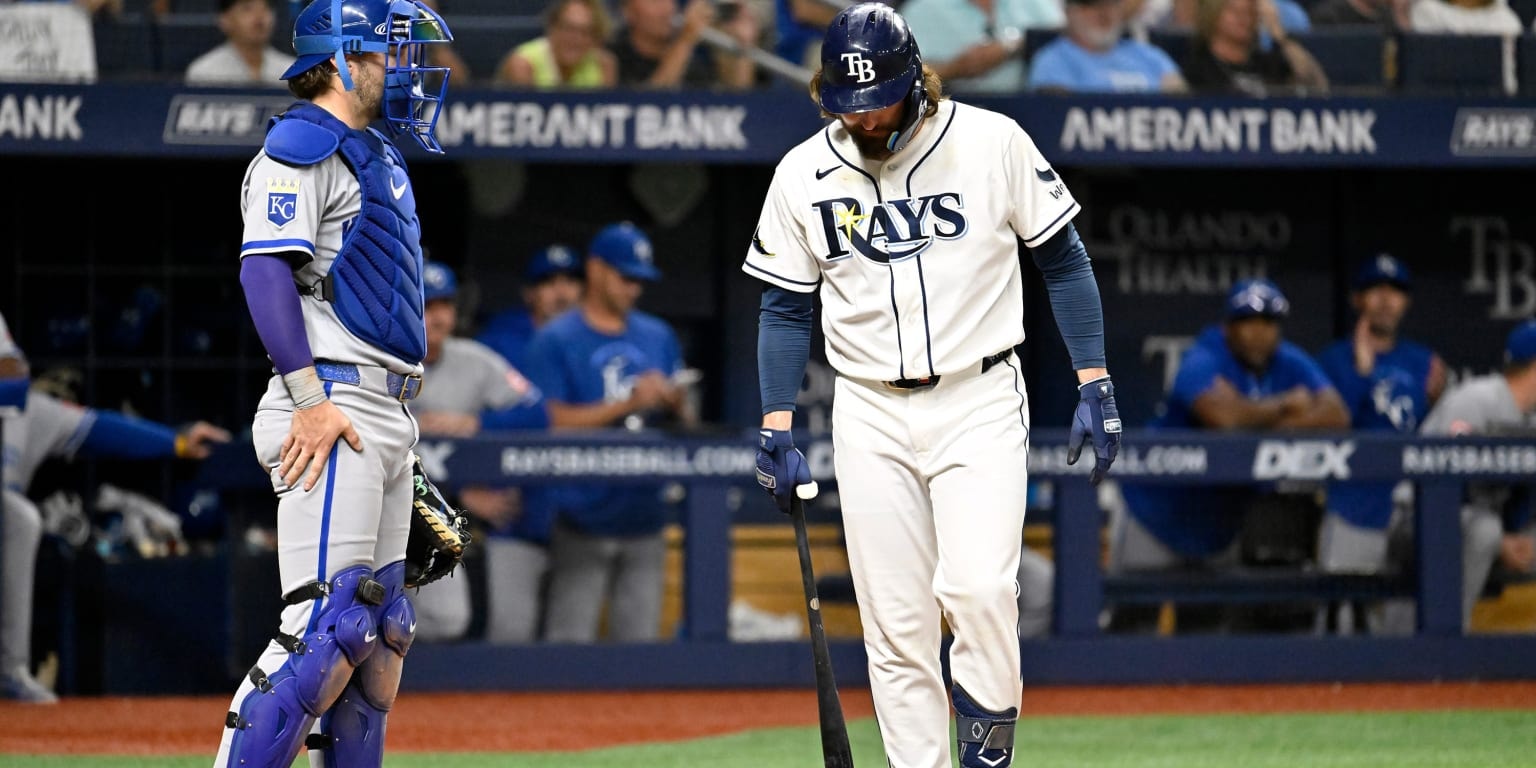
After a strong stretch in tight contests earlier this season, Tampa Bay is now seeing the margins go against it, with Drew Rasmussen reportedly solid in yet another Rays one-run defeat.
For a stretch of roughly two months, the Tampa Bay Rays built a reputation for surviving the narrowest outcomes. In games decided by a single run, the club won nine of its first one-run contests, and it also came out ahead in five of its first six extra-inning games. But in June, that pattern has shifted, and the Rays are again on the wrong side of late leads and tight finishes.
In the latest example, the Rays lost another game by one run, extending a June slide that has made their earlier “find a way” stretch feel like a distant memory. The team’s overall record in one-run decisions has become a talking point because the Rays were, for a time, consistently outperforming the thin margins that separate a win from a loss.
According to an MLB game story from St. Petersburg, Drew Rasmussen was solid in the outing, but Tampa Bay still came up short in the end. The central theme of the report is not that the Rays stopped competing. It is that even when the starting pitching performs well enough to keep the game within reach, the outcome has not followed.
Rays fans have been trained to think in terms of process and leverage, and one-run baseball is often where that mindset is tested. Earlier in the season’s climb, the Rays’ close-game results suggested the club was sharpening the details that matter at the margins. Now, the same details are apparently not landing the way they did, and the swing is visible in a string of narrow defeats.
The Rays’ extra-inning record from earlier in the year also underscores how quickly momentum can change in this sport. Winning five of the first six extra-inning games set an expectation that Tampa Bay could thrive in the most volatile situations. When a team then moves into a stretch where those tight results do not bounce its way, the playoff and postseason picture starts to feel less forgiving.
At the same time, one-run records can be influenced by randomness, bullpen timing, and situational execution that can fluctuate from week to week. A short-term shift does not erase the earlier performance, but it does raise questions about what is different right now: the timing of baserunners, the ability to convert early scoring into insurance runs, and whether the late innings are producing the same conversion rates they did earlier in the season.
What to watch next is whether the Rays can turn the tide back toward the profile that defined their early-season run of close-game success. If Tampa Bay’s one-run outcomes begin to stabilize, it will likely come from repeated execution in the late innings, even if individual games still hinge on a single swing or a single inning of command.
For now, the Rays are stuck with the practical reality that their June results are moving in the wrong direction. Rasmussen’s solid effort in the latest loss did not change the outcome, and the immediate challenge is simple: turn those one-run games back into wins before the calendar makes every narrow margin more costly.
Why It Matters
- One-run games can swing standings quickly, especially as the season moves deeper into playoff positioning.
- A reversal in extra-inning and late-inning outcomes changes how often the Rays control their own destiny in close, high-leverage moments.
- If the one-run trend continues, it can influence managerial decision-making in the margins, including bullpen usage and late-game plate appearances.
- Rays’ early-season close-game success created an expectation of performance under pressure, so regression in that area becomes a larger storyline than an ordinary skid.
Key Facts
- The Rays won nine of their first one-run games during a strong stretch earlier in the season, according to an MLB team report.
- They also won five of their first six extra-inning games in that same period, per the same report.
- In June, Tampa Bay’s close-game fortunes have reversed, and the club is experiencing a slide in games decided by one run.
- Drew Rasmussen reportedly pitched solidly in the latest loss, but the Rays lost another one-run decision.
- The most recent defeat was described by MLB as another example of Tampa Bay’s one-run results moving in the wrong direction.