
THE APEX TIMES
Rays set Grady Emerson’s pro debut timetable, sending the No. 2 pick to Single-A
Tampa Bay’s second-overall selection begins his first full professional assignment with a clear developmental goal: earn a path to the Majors in his early 20s, starting now.
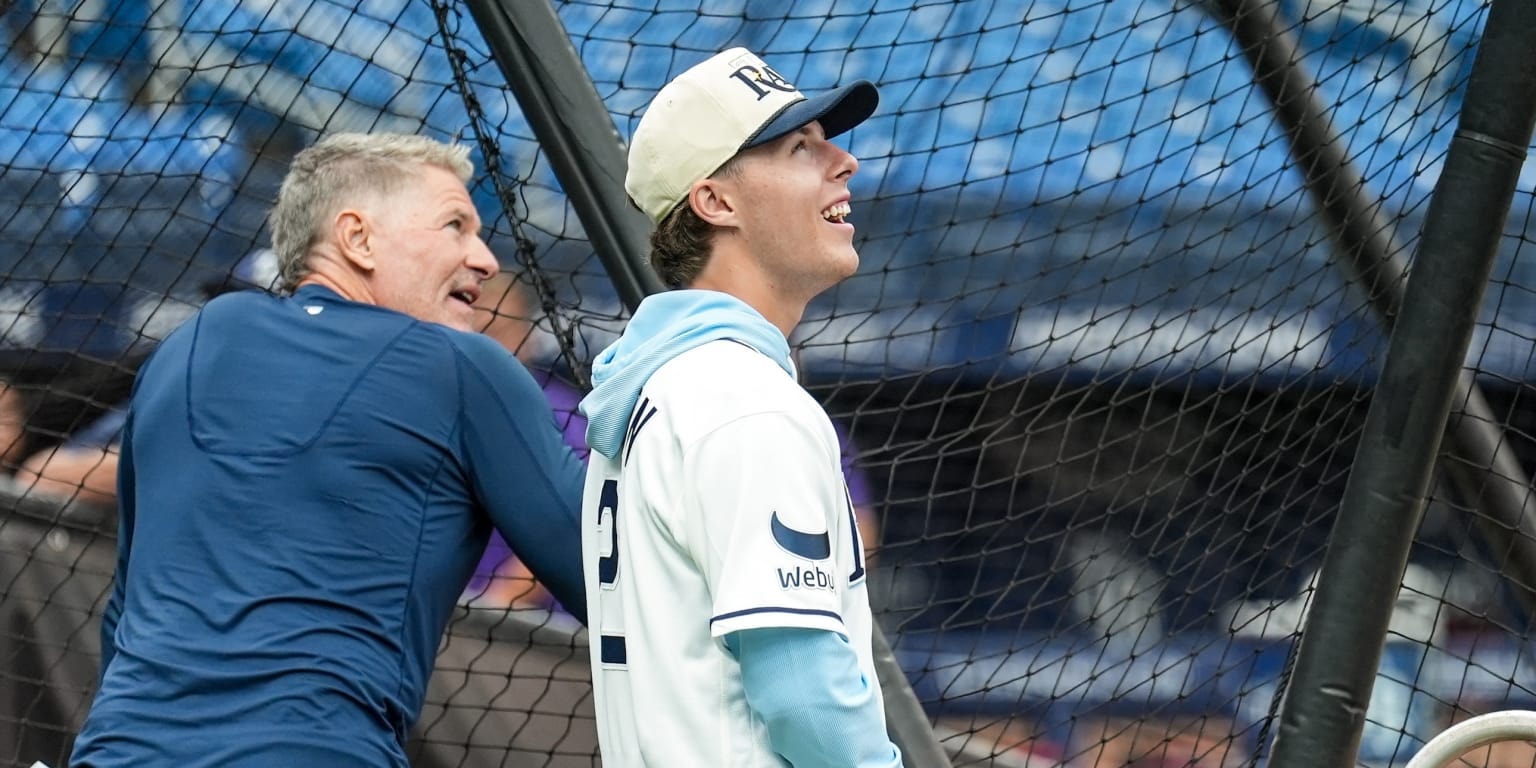
The Tampa Bay Rays have begun Grady Emerson’s professional climb, assigning the organization’s No. 2 overall pick in the MLB Draft to Single-A for his pro debut. The move marks a formal entry into the professional development pipeline for a prospect the club drafted with an eye toward both talent and timeline, and it gives Emerson his first regular taste of life at the Single-A level.
According to the team’s announcement, Emerson has mapped out a personal objective that frames the assignment: reach the Majors and be playing for Tampa Bay when he is 20 years old in 2028. Whether that date becomes a reality depends on performance, health, and repeatable growth in every phase of the game, but the organization’s decision places him on a track designed to test and refine his skills quickly.
For the Rays, Emerson’s assignment is part of their broader approach to prospect development, where early-round picks typically get an opportunity to prove they can handle the jump in pace, scouting attention, and day-to-day routine. Single-A is often the first environment where clubs can evaluate how a player responds to more consistent professional hitters, tighter game planning, and the grind of a full season.
The Rays’ move also indicates their intention to manage Emerson’s workload and progression through the minor-league ladder in a measured way. Assigning him to Single-A for the pro debut is not the same as placing him into a role where he will be expected to carry a mature roster’s responsibilities immediately. Instead, it is a starting point to establish habits, refine mechanics and decision-making, and build the kind of durability that is required to keep moving up.
Emerson’s next assignment becomes the central storyline for Rays development staff and fans watching the organization’s farm system. Early performance at Single-A is typically where organizations separate raw tools from tools that play consistently. That evaluation can show up in a variety of ways, including whether a player makes the needed adjustments against higher-level competition and whether he can sustain performance without frequent drops.
What to watch next is both immediate and longer term. In the short run, the focus will be on how Emerson handles his first pro routine and whether he can translate his draft profile into competitive at-bats or innings, depending on his role. Over the season, the Rays will look for the kind of incremental improvement that supports a promotion conversation later on, keeping his 2028 target from turning into a slogan and instead turning into a process.
Why It Matters
- It places the Rays’ top draft investment into a pro environment where consistent scouting and game-planning create the next, more demanding test.
- Emerson’s progression will be a reference point for how quickly Tampa Bay believes its latest high pick can adapt and improve.
- A successful Single-A debut is often the first step that determines whether an early promotion is realistic later in the cycle.
Key Facts
- The Tampa Bay Rays assigned their No. 2 overall MLB Draft pick, Grady Emerson, to Single-A for his pro debut.
- The Rays announcement frames the assignment as the start of Emerson’s path toward the Majors.
- Emerson has said he wants to be playing for Tampa Bay when he is 20 years old in 2028.