
THE APEX TIMES
Rays show early punch in ALCS Game 1, but momentum fades after first rally
Tampa Bay’s offense flashed in its opening exchanges, including a lead-off double by Yandy Díaz and a first career sacrifice bunt from Jonathan Aranda. But the late-inning production that followed a hot start did not hold, and the Rays came up short in Game 1 of the ALCS.
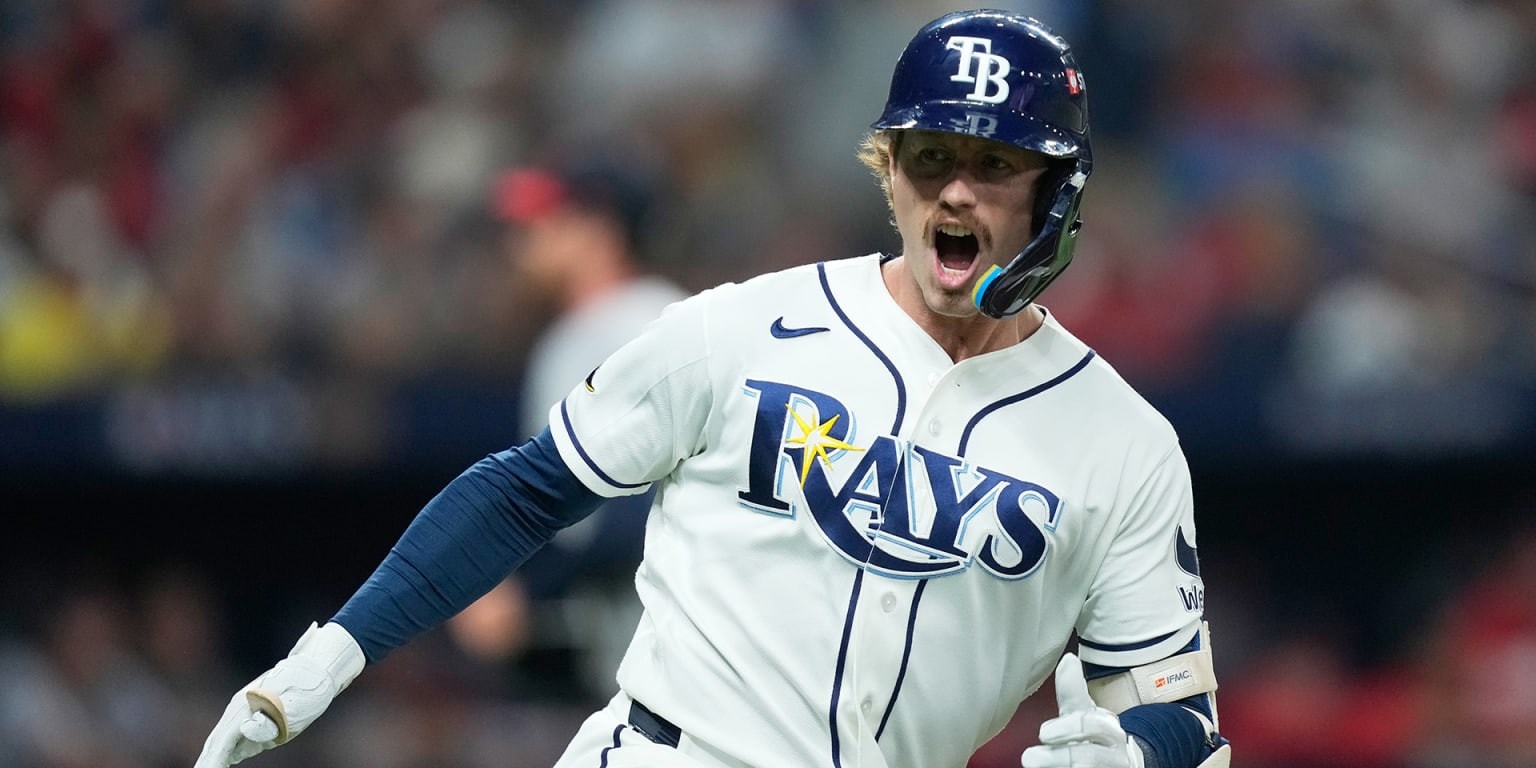
In Game 1 of the ALCS, the Rays’ lineup began with purpose and sharp, small-ball pressure. Yandy Díaz set the tone by leading off with a double and sliding into second base. The aggressiveness was visible on the field, down to the celebration that followed, as Tampa Bay looked ready to press its advantage early.
Jonathan Aranda then added a moment of personal significance to the sequence. He dropped down what was described as his first career sacrifice bunt, a move that created a burst of excitement among the Rays as well as teammates around him. In postseason baseball, those are the plays that can change the tone of an inning. They put runners in motion, force defensive adjustments, and report that the offense is willing to attack in more ways than one.
Junior Caminero also contributed to the Rays’ early scoring picture, singling in the game’s first run according to the Rays’ recap. Even with the focus on those highlighted events, the larger issue for Tampa Bay was what came next. After the opening momentum, the offense was not able to sustain the same level of threat across subsequent at-bats.
Postgame assessments of offensive performances often hinge on whether a team can turn early traffic into repeated innings. In Tampa Bay’s case, the recap emphasized the visible sparks at the start, but the broader thread was that the production did not carry forward at the same intensity. That matters in a postseason environment where one quiet frame can shift leverage, especially when opponents tighten their defensive and pitching plans.
The Rays’ Game 1 also illustrates a familiar postseason challenge for offenses that can score in bursts: converting one strong start into a full, continuous surge. Early plays like Díaz’s lead-off double, Aranda’s bunt, and Caminero’s RBI single may look like a complete blueprint in real time, but baseball rarely stays that clean. Once the early plan is answered, hitters often need to find the next adjustment themselves, whether it is a different swing decision, a better pitch selection, or a different approach to coverage when runners do not advance as hoped.
For the Rays, the takeaway is not that the lineup lacks high-impact moments. The starting inning had markers of intent and execution. The immediate question for the rest of the series is whether Tampa Bay can recreate that same blend of pressure and capitalization deeper into the game, rather than relying on a fast start that fades before it becomes multi-run separation.
Why It Matters
- In the ALCS, scoring patterns define leverage, and an offense that starts strong must also avoid going quiet in the middle innings.
- Small-ball choices like Aranda’s bunt can set postseason tone, but teams still need follow-through when those plays generate only limited immediate damage.
- How Tampa Bay responds in subsequent games will shape whether it can extend the series or gets forced into a tighter, more urgent offensive approach.
Key Facts
- The Rays lost Game 1 of the ALCS.
- Yandy Díaz led off with a double and advanced into scoring position early.
- Jonathan Aranda laid down what was described as his first career sacrifice bunt during the game.
- Junior Caminero had a single that drove in the game’s first run for Tampa Bay.
- The Rays’ early offensive momentum did not translate into sustained production throughout the game.