
THE APEX TIMES
Rays turn the midway mark into a first-half calling card inside the dome
As the season reaches its midpoint, Tampa Bay’s performance has put it in the driver’s seat, highlighted by a strong home record at Tropicana Field.
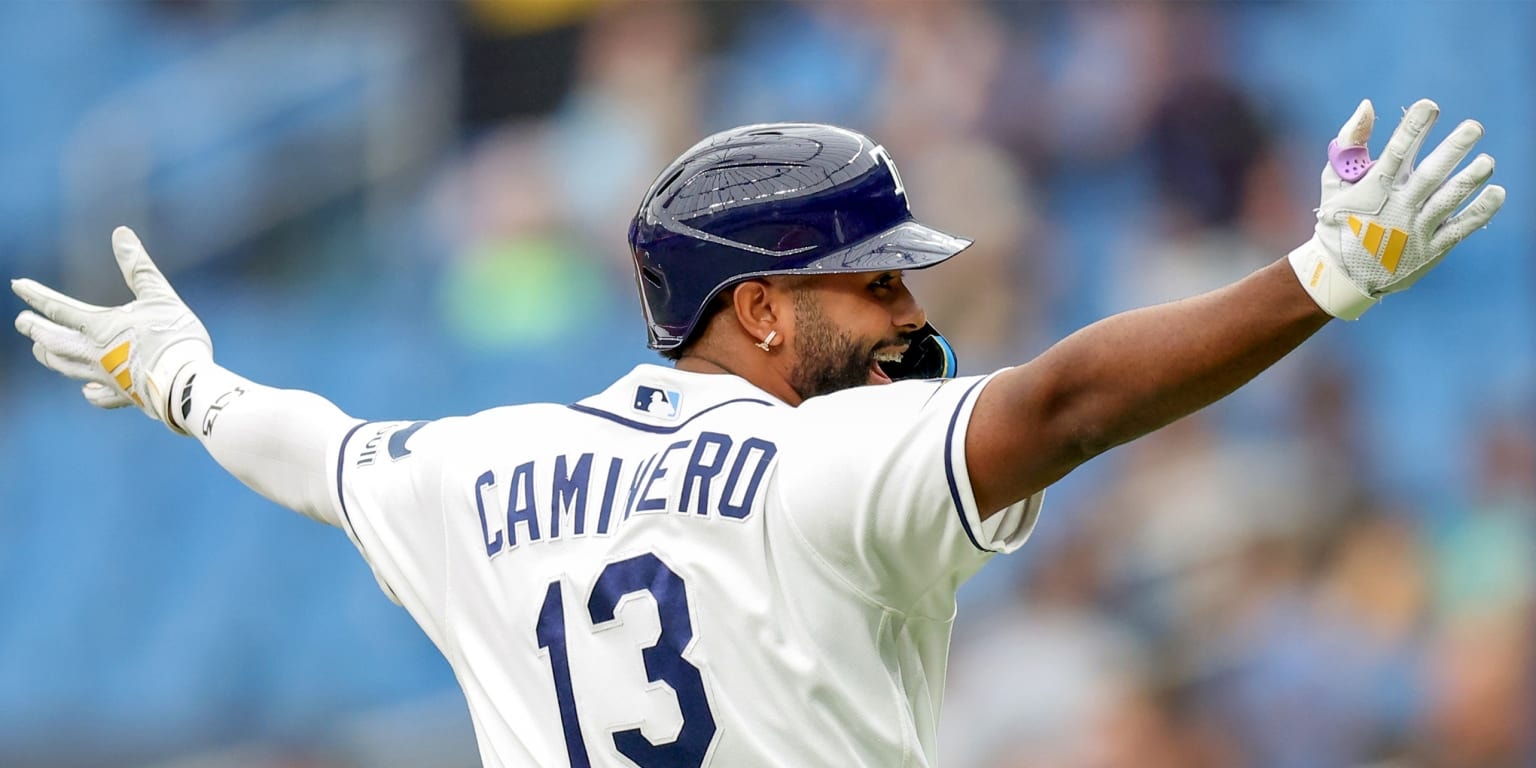
The Rays reached the halfway point of their 2026 season on Sunday afternoon, and the review is straightforward: they are playing like a first-place team during the portion of the calendar that often reveals who can handle the grind. The club’s position through the first half has been paired with an unusual home advantage at Tropicana Field, where Tampa Bay has been especially difficult to beat.
The most vivid indicator from the Rays’ midseason check-in involves their home splits. In games at their domed ballpark, the Rays are 31-12, a mark that speaks to both consistency and the comfort that comes from having the environment under control. It also matters because the schedule typically forces teams to stack home series with different roster and matchup needs, and Tampa Bay has answered that test at a high level.
What stands out about the Rays’ first-half identity is that it is not only built on volume hitting or a single stretch of good health, at least as presented in the team’s season review. Instead, the focus is on overall steadiness, a theme that aligns with what clubs in first place usually do best: minimize the long swings against them and sustain their approach across multiple weeks.
The midpoint also functions as a practical checkpoint for managers and front offices. For the Rays, being in a strong standing at the halfway mark means the second half does not start from scratch. It starts with a clearer sense of what to protect, what to address, and how to manage the wear that tends to surface after the calendar turns.
Because this is a midseason narrative rather than a full statistical teardown, readers should treat it as a broad picture of momentum. The headline detail remains the team’s interior stability at Tropicana Field, and the larger message is that Tampa Bay’s first-half form has translated into a position that suggests it is closer to contending than repairing.
Looking ahead, the obvious question is whether Tampa Bay can carry that first-half standard beyond the comfortable rhythm of the dome. For a club in the standings picture, the second half becomes less about proving it can win at home and more about showing that the same standards travel.
In practical terms, the Rays’ midseason position sets up the second half as a test of conversion. Their record inside the dome provides a foundation, but the pursuit of a postseason resume eventually depends on sustaining performance when the setting changes, when opponents adjust, and when the margin for error tightens.
Why It Matters
- A first-half standing can shape postseason positioning, including how aggressively a team approaches roster management in the second half.
- Strong home performance often becomes a multiplier over a long season, because it stabilizes series outcomes when momentum matters.
- For title-caliber teams, the key question after midseason is whether home dominance can be replicated on the road as matchups evolve.
Key Facts
- The Rays reached the midway point of their 2026 season on Sunday afternoon.
- Tampa Bay is 31-12 in games played inside Tropicana Field.
- The Rays’ first-half performance has put them in a first-place position.
- The team’s midseason framing emphasizes overall steadiness rather than one isolated stretch.