
THE APEX TIMES
Red Sox midseason turn: Kennedy’s candid admission meets a late-arrival surge
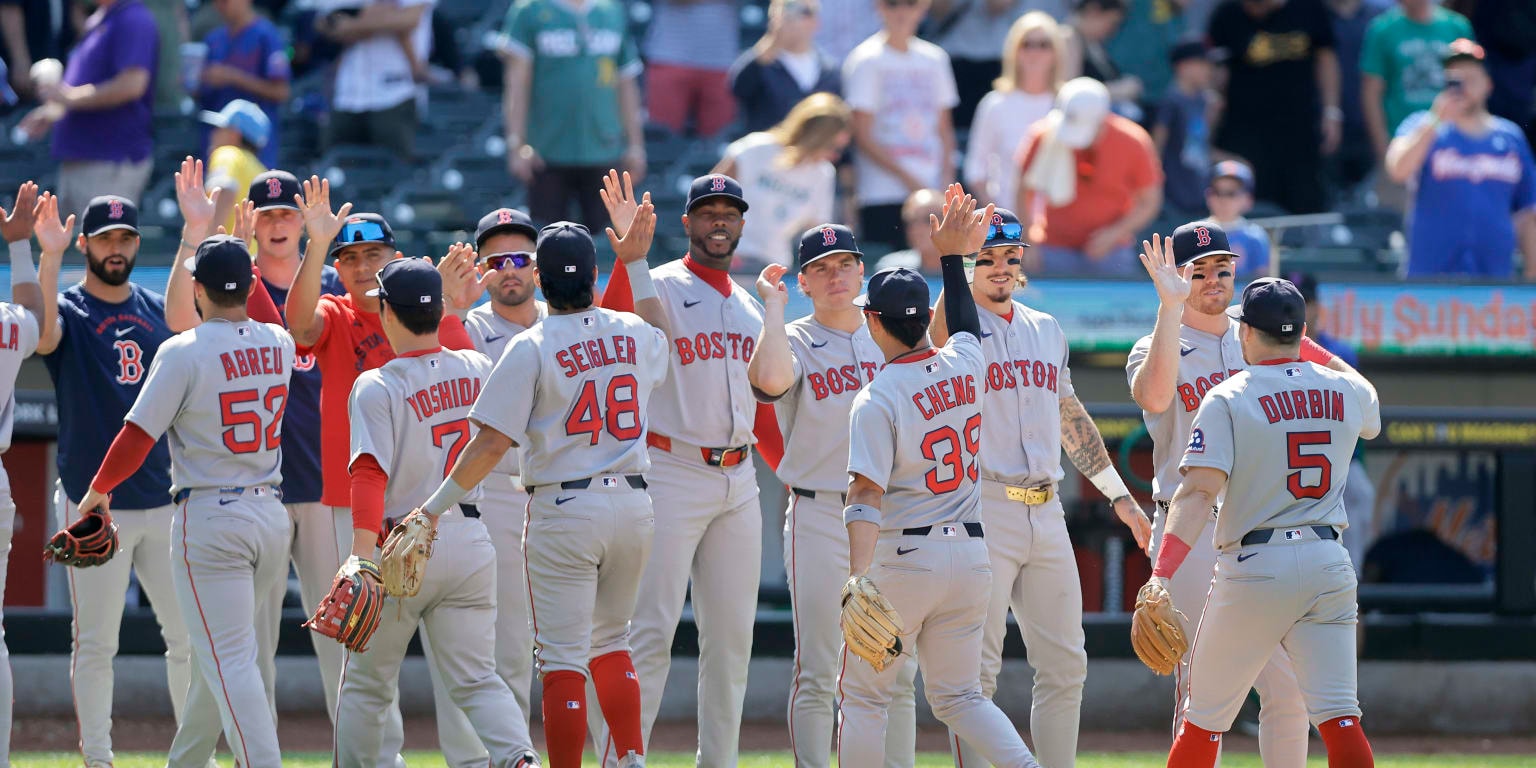
Boston’s president/CEO said in mid-June that the club might need to shift from a Trade Deadline push to another plan. A renewed stretch has altered how the Red Sox are thinking about what they need next.
On June 12, Red Sox president/CEO Sam Kennedy described the organization’s reality without polish, acknowledging that the team had not progressed the way it needed to. The remark set a clear framework for what came next: Plan A was to be buyers at the Trade Deadline, while Plan B was already taking shape if results did not improve. By July, the Red Sox were no longer talking only about contingencies, because the on-field momentum has changed the conversation, and “deadline vision” is now being redirected by a red-hot streak.
The significance of a midseason surge is not abstract in Major League Baseball, where roster construction and organizational patience are closely tied to short windows of evaluation. Kennedy’s comments captured the internal tension many rebuilding or retooling teams face: if a team is underperforming, front offices often pivot toward additions that preserve future flexibility, often alongside selling parts for prospects. If a team starts winning in the right moments, the target shifts toward immediate, impact help, and the deadline becomes less about damage control and more about maximizing a new window.
MLB’s midterm reporting frames Boston’s turnaround in terms of timing, suggesting that the streak arrived “just in time” to change how the club thinks about the remainder of the season. That distinction matters because deadline planning is not only about whether a team can compete, but also about how aggressively it wants to pursue competition in the next two to three months. A late run can compress the front office’s decision-making, forcing quicker alignment on priorities, scouting, and the type of assets the club is willing to trade.
Kennedy’s June 12 candidness also highlights how leadership messaging can reflect uncertainty even when plans are in motion. The Red Sox were already preparing Plan B while still considering Plan A, which implies the organization was evaluating both outcomes rather than committing to a single path early. When results begin to land, the same preparation can still be useful, but it changes how resources are allocated and what “needs” look like on the clubhouse and roster side.
What to watch next is whether the streak represents a sustainable correction or a brief spike that eventually runs into regression, schedule strength, or matchup patterns. In the Red Sox’s case, the key question is how the organization translates improved performance into deadline strategy. If Boston continues to win, the internal logic of “buying” becomes more plausible, and if it cools, Plan B could regain prominence.
For fans and evaluators, the larger takeaway is that deadline decisions in MLB are rarely linear. Teams can be candid about underperformance in June, maintain contingency plans, and still alter course in July when the field forces a new reality. The Red Sox’s midterm framing indicates exactly that type of shift, where a streak does not erase broader context, but it can change the urgency and the shape of the choices Boston makes before the next roster window closes.
Why It Matters
- Trade Deadline strategy in MLB depends on whether a team views itself as ascending or still in evaluation mode, and timing can reshape that decision quickly.
- A July surge can shift what roster needs look like, influencing whether a club pursues immediate help or preserves flexibility for the future.
- Leadership messaging that acknowledges multiple plans can report how seriously the front office is preparing for both outcomes.
Key Facts
- Red Sox president/CEO Sam Kennedy made candid remarks on June 12 describing underperformance.
- Kennedy’s comments laid out Plan A as being buyers at the Trade Deadline and Plan B as being implemented if results did not improve.
- MLB’s midseason reporting characterizes Boston’s improvement as a red-hot streak arriving “just in time” to redirect deadline thinking.
- The organization’s approach is portrayed as contingency-based, with plans evolving as on-field performance changes.