
THE APEX TIMES
Red Sox pile on power again, topping White Sox 14-2 to extend win streak to six
Boston’s offense turned flat-out aggressive, delivering a lopsided run outburst and adding another game to a growing stretch of victories.
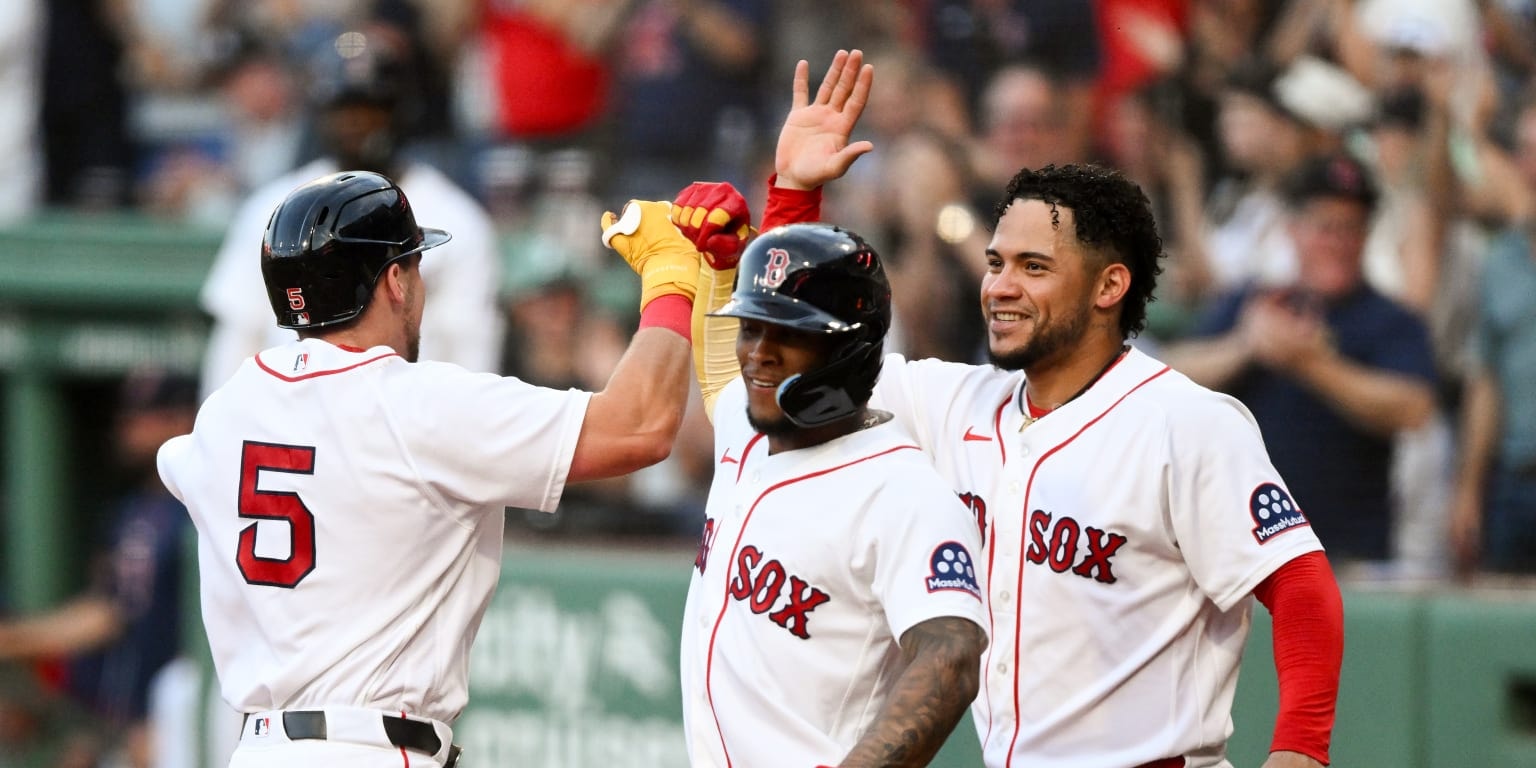
The Red Sox kept rolling in a big way on Tuesday night, turning a regular-season game against the White Sox into an offense-first statement as Boston won 14-2. The margin mattered, but the streak did too. According to MLB’s game story, the win pushed the Red Sox to a sixth straight victory, underscoring how consistently they have been able to find enough offense to keep games from tightening up.
This one was especially notable for the way Boston attacked. MLB’s recap frames the early-season focus on the club’s ability to hit home runs, positioning the ballpark impact as a central question for the group. In that context, an outburst of this size served as more than a one-night spark. It was another reminder that the Red Sox can not only win, but also change the scoreboard quickly when the power game is working.
The piece also connects the team’s identity to Craig Breslow, Boston’s chief baseball officer. Breslow’s name appears in the account as part of the background to what the organization was trying to shape, including how this roster would generate production when it mattered most. The immediate takeaway from the 14-run performance is that the organization’s “who will hit” question has not been purely theoretical.
Even with no single statistic standing alone, a result like 14-2 typically reflects multiple innings of offensive pressure rather than a brief surge. When a lineup is producing across stretches, it usually forces pitchers to make uncomfortable pitches, then compounds mistakes when hitters keep turning those chances into extra-base damage. MLB’s description emphasizes the scale of the run production, which suggests Boston was able to sustain rallies rather than merely capitalize once.
For the White Sox, the number itself tells the story. A 14-2 loss is difficult in any circumstances, but it also makes the game function like a reset button for the pitching staff, because it offers little margin for correction once the first wave of damage lands. Boston’s ability to keep adding runs also limits how much the other side can learn about adjustments, since the deficit grows too quickly to manage the way you would in a closer game.
What to watch next is whether this remains a pattern rather than an isolated explosion. A win streak of six games changes the rhythm of a season, but baseball also tends to correct quickly. If Boston’s offense continues to generate both volume and power over the next stretch, the broader storyline will shift from “can they hit” to “can they separate,” which is the most meaningful kind of momentum for a playoff-level team-building project.
If the Red Sox can keep turning power into repeated, multi-run innings, their late-season picture becomes less about whether they have capability and more about how long they can sustain it. For the White Sox, the focus will likely be on tightening early execution and reducing the damage before it becomes a runaway scoreline, since Tuesday’s result shows how quickly a game can tilt when one team is hitting with authority.
Why It Matters
- A six-game win streak strengthens the Red Sox’s late-season momentum and confidence level.
- A 14-run output points to offense that can create separation, not just close-game runs.
- The game reinforces the broader storyline of Boston’s ability to generate power in addition to winning.
- For the White Sox, the size of the defeat highlights the need to limit early damage and prevent rallies from compounding.
Key Facts
- The Red Sox defeated the White Sox 14-2 in Boston.
- The win extended Boston’s streak to six consecutive victories, per MLB’s recap.
- MLB’s story highlights Boston’s offense and its home-run power as a key season theme.
- Craig Breslow, Boston’s chief baseball officer, is referenced in the context of the organization’s roster-building question about power production.
- MLB characterized the game as an “outburst,” emphasizing the scale of Boston’s run production.