
THE APEX TIMES
Red Sox radio voice Will Flemming apologizes for Yankees-related comments
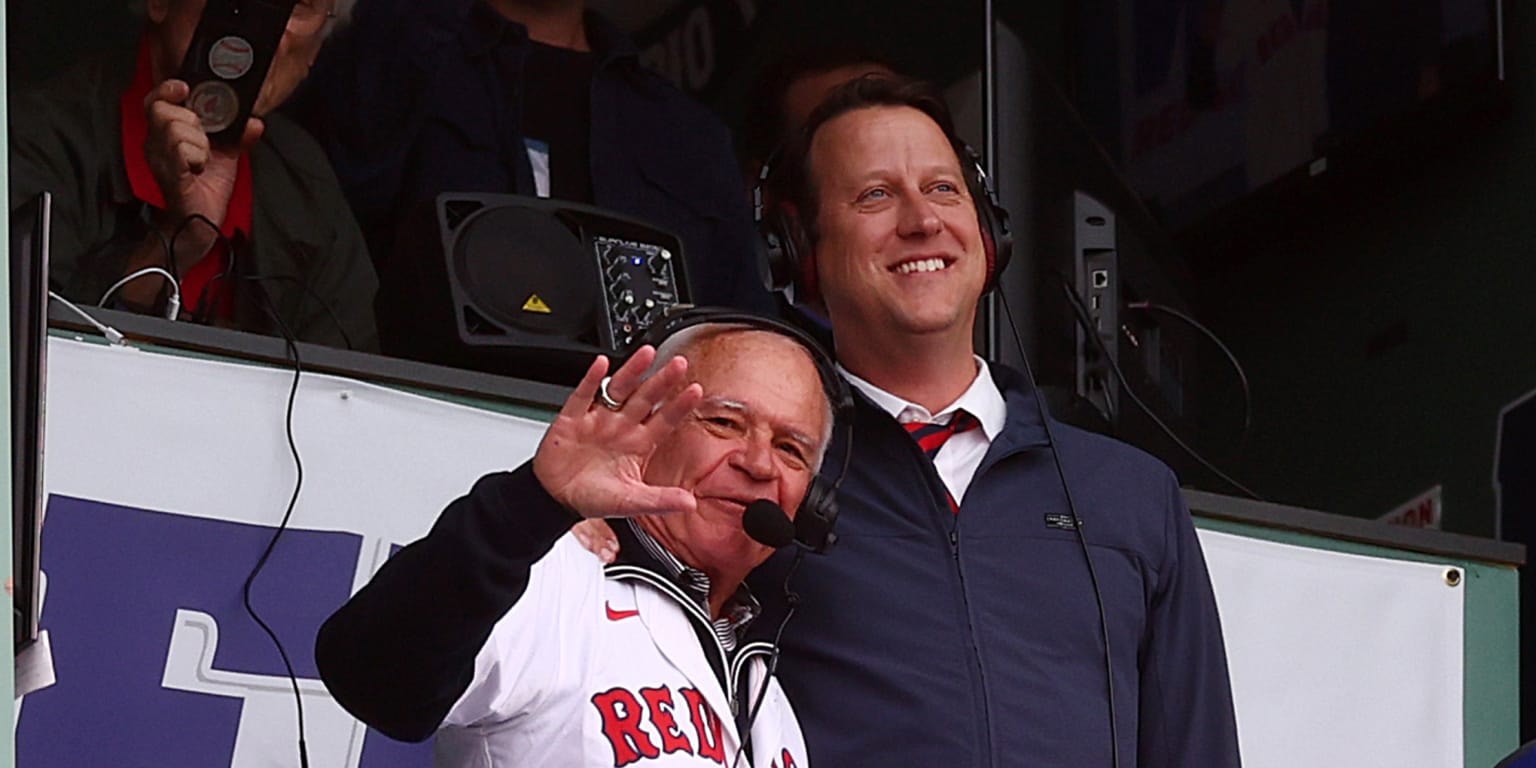
Play-by-play broadcaster Will Flemming said he recognizes he “crossed a line” in remarks tied to the Red Sox-Yankees rivalry, issuing an apology after the comments became a topic of discussion.
On Monday, Boston Red Sox radio play-by-play broadcaster Will Flemming apologized for Yankees-related comments he made, acknowledging they went too far. In the team’s own report, the apology is framed around the idea that even when the focus is baseball, the long-running Red Sox-Yankees rivalry can pull people into sharper territory than they intend. Flemming’s message, as described by MLB, was aimed at correcting that moment and resetting tone going forward.
Flemming has been a familiar presence for Red Sox audiences, serving as the voice that carries the game across radio. That role is different from social media or a one-off interview, where wording is often treated casually. A broadcaster, particularly in a rivalry market, sits in a spotlight where offhand comments can be interpreted as team messaging, even when they were not meant that way.
The story characterizes the situation as Flemming acknowledging he “crossed a line,” and it places the apology in the context of the intensity that typically surrounds games involving New York and Boston. For years, the rivalry has produced heightened emotion in the dugout and the stands, and MLB’s report suggests the same intensity can reach the booth. Flemming’s apology is presented as a direct response to that realization.
While the report centers on Flemming’s apology itself, it also underscores a broader expectation for broadcasters: to prioritize accuracy, fairness, and professionalism even when emotions run high. Baseball broadcasts frequently include high-speed analysis, quick reactions, and strong language in the heat of the moment. The line, in this case, appears to be less about passion for the rivalry and more about how a specific set of comments landed with listeners.
Beyond the immediate correction, the incident speaks to how the Red Sox brand has to operate in a media environment where clips travel fast and audience interpretation can be unforgiving. Red Sox fans, Yankees fans, and neutral listeners often evaluate broadcasters not only for how well they describe action, but for how respectfully they handle the relationship between the two clubs.
For Red Sox radio listeners, the next question is practical: how quickly Flemming’s tone will settle after the apology and whether the station or Red Sox communications leadership reiterates expectations for on-air conduct. For MLB media watchers, the broader takeaway is that teams are increasingly prepared to address cultural and language missteps in-season, particularly when the rivalry spotlight is brightest.
The Red Sox-Yankees match-up continues to be one of the league’s most closely watched storylines, and that attention magnifies everything around the game, including what is said by those who call it. Flemming’s apology is an attempt to meet that scrutiny head-on, and it will likely be evaluated in real time the next time he goes on-air and the stakes rise again.
Why It Matters
- Broadcasting tone can influence how rivalries are experienced, and the booth’s language can quickly become part of the story.
- Professional apologies during the season reflect how teams and leagues manage off-field communication standards.
- The Red Sox-Yankees rivalry is high-scrutiny by default, so any perceived overreach is likely to draw fast public attention.
- Listeners will look for whether the apology leads to a measurable shift in on-air approach during future high-emotion moments.
Key Facts
- Red Sox radio play-by-play broadcaster Will Flemming apologized for Yankees-related comments.
- The apology was reported by on Monday.
- describes the moment as Flemming acknowledging he “crossed a line.”
- The report ties the apology to the intensity of the Red Sox-Yankees rivalry and how it can spill into broadcasts.
- The apology is intended to reset tone with listeners and address how the comments were received.