
THE APEX TIMES
Red Sox-Yankees rivalry enters a quiet stretch after consecutive Wild Card clashes
New York won both postseason meetings in back-to-back seasons, leaving the long-running rivalry feeling less like a classic postseason collision and more like a reminder of how quickly teams can change.
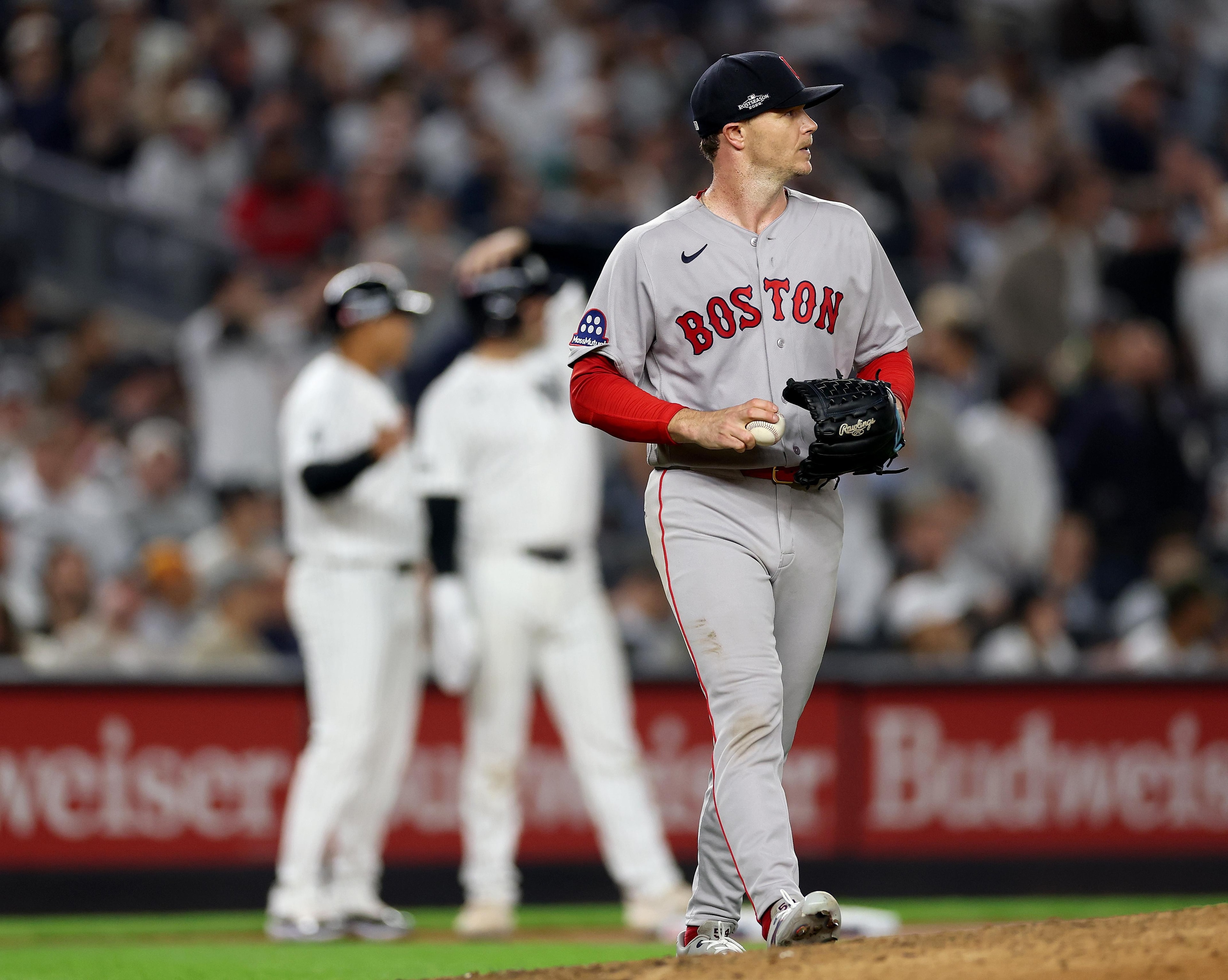
The Red Sox and Yankees, long considered two of baseball’s defining rivals, met in the postseason in consecutive years for the Wild Card round, and both times New York came out on top. The pattern is striking because it is not just another postseason matchup, it is the same kind of back-to-back postseason proximity that fans associate with the rivalry’s older peaks.
Yahoo Sports framed the current era as a “sad state” for the rivalry, emphasizing how rare it is for these teams to share consecutive postseasons and, even when they do, how the balance can tilt. According to the report, the last time the clubs met in consecutive postseasons was their pair of classic American League Championship Series matchups in 2003 and 2004, years that have become shorthand for October drama between the two franchises.
That historical comparison matters because the Red Sox-Yankees rivalry was built not only on geography and fan identity, but on the frequency of meaningful games in October. When those seasons are separated by long gaps, the rivalry can feel like a standing feud without the same competitive immediacy. Consecutive Wild Card meetings are supposed to bring urgency, but the emotional payoff can be muted when one side repeatedly holds the advantage, as New York did in both of the back-to-back postseason meetings referenced in the report.
The current version of the matchup also highlights how postseason format reshapes rivalry rhythms. Wild Card games carry a different structure than league championship matchups, with less time for a series to settle into chess-like adjustments. In a single-elimination or short-window setting, regular-season momentum and timely production can matter more than long arcs. When a rivalry’s newest postseason chapters arrive through that lens, the games can be intense, but they may not feel as transformative as the earlier ALCS classics that still anchor many fans’ memories.
There is another way to read the same sequence: the rivalry is still alive, but it is being written by the modern postseason calendar rather than the traditional league-limits that once guaranteed both clubs frequent clashes in late October. That can shift the tone from “two best teams in the league” to “two rivals who happened to both be in the postseason bracket at the same time.” In other words, the rivalry remains, but its stakes and narrative weight can change with the postseason draw and each club’s year-to-year direction.
For the teams themselves, the practical takeaway is that the rivalry’s emotional temperature will likely track how often they return to October together, and from where. If the clubs meet again in the postseason, the question will be whether the games land in rounds that allow for a rivalry to reestablish its old feel, such as a championship-series atmosphere, rather than a quicker Wild Card exit point.
What to watch next is not a rehash of the past, but the trajectory that leads there. If New York keeps capitalizing on postseason timing against Boston, the “classic rivalry” label may keep sliding toward “recurring matchup with one-sided momentum.” If Boston can reassert itself when the two clubs overlap in September and October, then the rivalry’s history can reassert its influence, and consecutive October meetings will feel less like a scheduling coincidence and more like the start of a new chapter.
Why It Matters
- Rivalries depend on repeated meaningful games, and consecutive postseason meetings are rare for these teams.
- Wild Card-round matchups carry different competitive dynamics than league championship series, which can change how the rivalry “feels.”
- When one side wins back-to-back meetings, it can shift the rivalry from evenly contested to momentum-driven.
Key Facts
- The Red Sox and Yankees met in the postseason in consecutive years in the Wild Card round.
- Both postseason meetings during those consecutive seasons were won by the Yankees.
- The report says the last time the teams met in consecutive postseasons was their 2003 and 2004 American League Championship Series matchups.
- The comparison underscores how different the rivalry can feel when it lacks the same late-October, series-style stakes.