
THE APEX TIMES
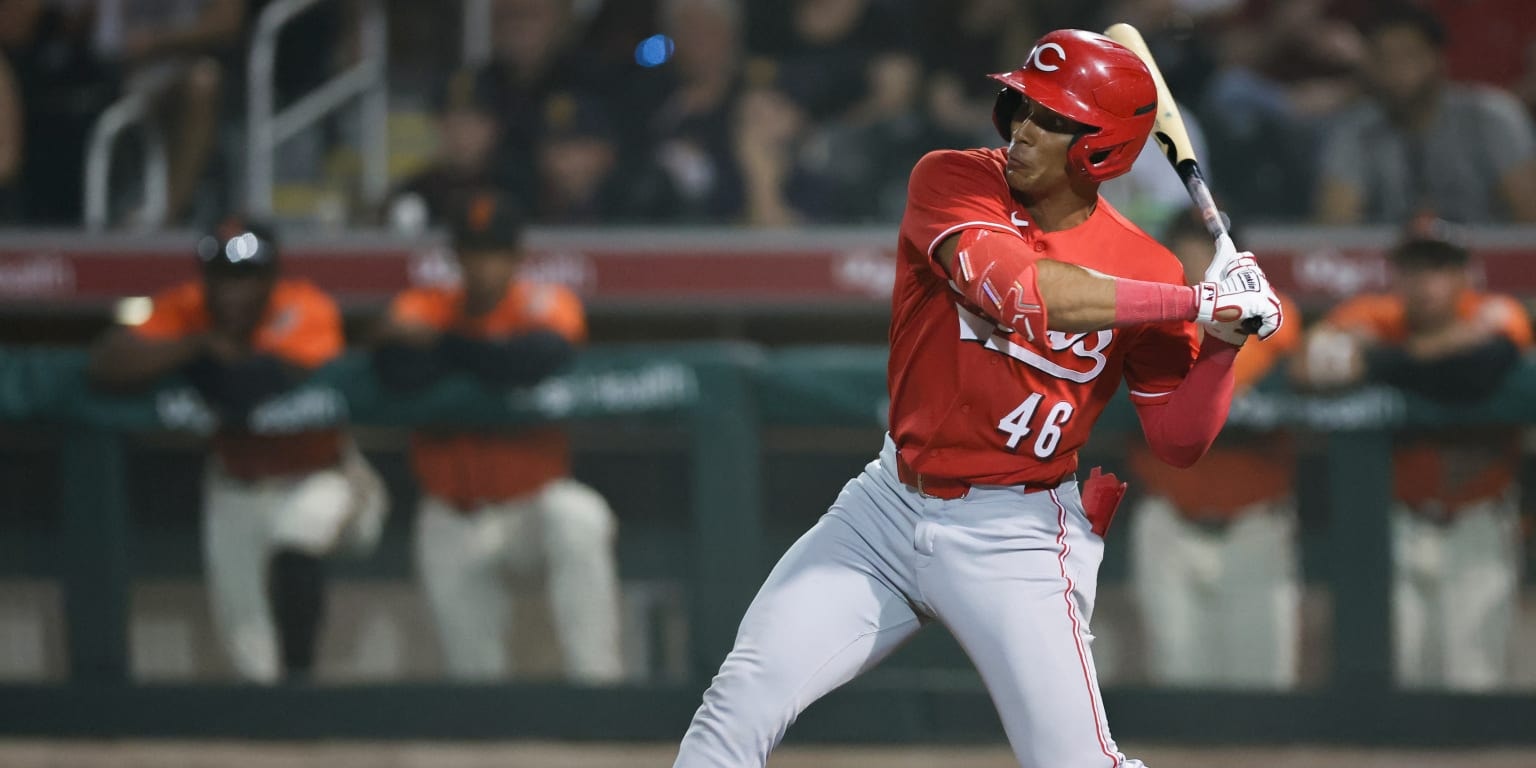
Reds prospect Jirvin Morillo, a switch-hitting catcher, climbs prospect rankings after 2026 breakout
Cincinnati’s farm system continues to show its international-building model is paying dividends, with catcher Jirvin Morillo emerging as one of the organization’s fastest-rising names following his 2026 surge.
Cincinnati’s next batch of position players is starting to look less like a slow brew and more like a quick boil. In a story released by on July 30, the Reds highlighted catcher Jirvin Morillo as a breakout candidate whose 2026 performance has helped push him upward in the team’s prospect rankings. The headline development is simple but important for a rebuild in baseball’s middle innings, when every extra step from a minor-league bat and defender can meaningfully change what the major-league club will be able to afford later.
Morillo’s path is being framed around a skill set that tends to travel well into the professional game: he is a switch-hitter. Switch-hitting catchers are not a novelty, but they are still a premium because the position already comes with a defensive and game-management load. If a catcher can also offer natural platoon flexibility at the plate, it gives an organization more options as it tries to align development timelines with roster construction at the top of the system.
The Reds’ wider context matters here because the organization is not being presented as a team that simply found one good prospect. connected Morillo’s climb to the club’s longer-term international approach, arguing that success in the international market is determined over time and can take multiple forms, including different swing paths and player types. That theme is not just filler in prospect coverage. It reflects how organizations evaluate risk, patience, and repeatable scouting decisions when they are competing globally for young talent.
The article also pointed to Cincinnati’s international track record, recalling the Reds’ 2018 signing of a 16-year-old Elly De La Cruz for $65,000. That reference functions as a reminder that early returns on international acquisitions can look modest at the moment of signing but still develop into high-value major-league impact years later. In the same breath, emphasized that Cincinnati has run near the top of signing classes in recent cycles, including being described as the only organization to land a top-six player in three of the past four cycles.
What Morillo’s breakout does, in practical terms, is tighten the bridge between the Reds’ current development pipeline and the major-league roster. A catcher who can move up in prospect rankings after a single breakthrough season is not automatically a guaranteed future starter, and prospect lists can change with health, adjustments, and the next wave of competition. Still, catcher is a position where teams often need time to see consistent progress in catching fundamentals and offensive reliability, so any sign of momentum tends to be treated as a real organizational asset rather than a passing highlight.
For the Reds, the immediate watch items are the same ones that have to follow any prospect jump: whether Morillo sustains his improved production through the grind of the year, whether his switch-hitting approach holds up against better arms, and whether his defensive work continues to fit the team’s developmental expectations for the position. Even when rankings move quickly, teams generally want to verify that the player’s improvements are repeatable rather than tied to a small sample of favorable circumstances.
Across baseball, the most difficult part of the process is translating minor-league outcomes into major-league roles. Morillo’s rise is best read as an updated report about where Cincinnati’s development group believes its future catcher group is headed, and it adds another layer to the Reds’ recruiting narrative that has already produced De La Cruz as the kind of talent organizations dream about when they invest overseas.
In the short term, Morillo’s movement will likely shape how the Reds and their affiliates manage playing time and developmental emphasis for the next stretch. In the longer term, his progress could influence how quickly Cincinnati feels comfortable using a catcher’s spot as a stable piece of the lineup rather than a rotating need. If the breakout continues to translate, Morillo’s name will be the next one fans hear at the major-league level, and it would further validate the Reds’ international strategy as more than a story about one draft class or one signing class.
Why It Matters
- Catcher is a high-leverage development position, and a prospect who climbs after a breakout can reshape timeline planning for the major-league club.
- A switch-hitting catcher offers roster flexibility against right- and left-handed pitching, which can be especially valuable in lineup construction.
- Prospect-rank rises can change organizational priorities, including which bats and defenders the club most wants to keep advancing quickly.
- The story reinforces Cincinnati’s long-term emphasis on international acquisition, aiming to turn early talent into repeatable major-league impact.
Key Facts
- reported that catcher Jirvin Morillo’s 2026 breakout has helped him rise in the Reds’ prospect rankings.
- Morillo is described as a switch-hitter, a notable value for the catcher position.
- connected the Reds’ prospect development narrative to its international recruiting model, emphasizing long-term results.
- The article cited the Reds’ 2018 signing of Elly De La Cruz at age 16 for $65,000.
- also described Cincinnati as the only organization to land a top-six player in three of the past four signing cycles.