
THE APEX TIMES
Reds rally past Cubs 7-5 as Shōta Imanaga’s long-ball trouble returns at the wrong time
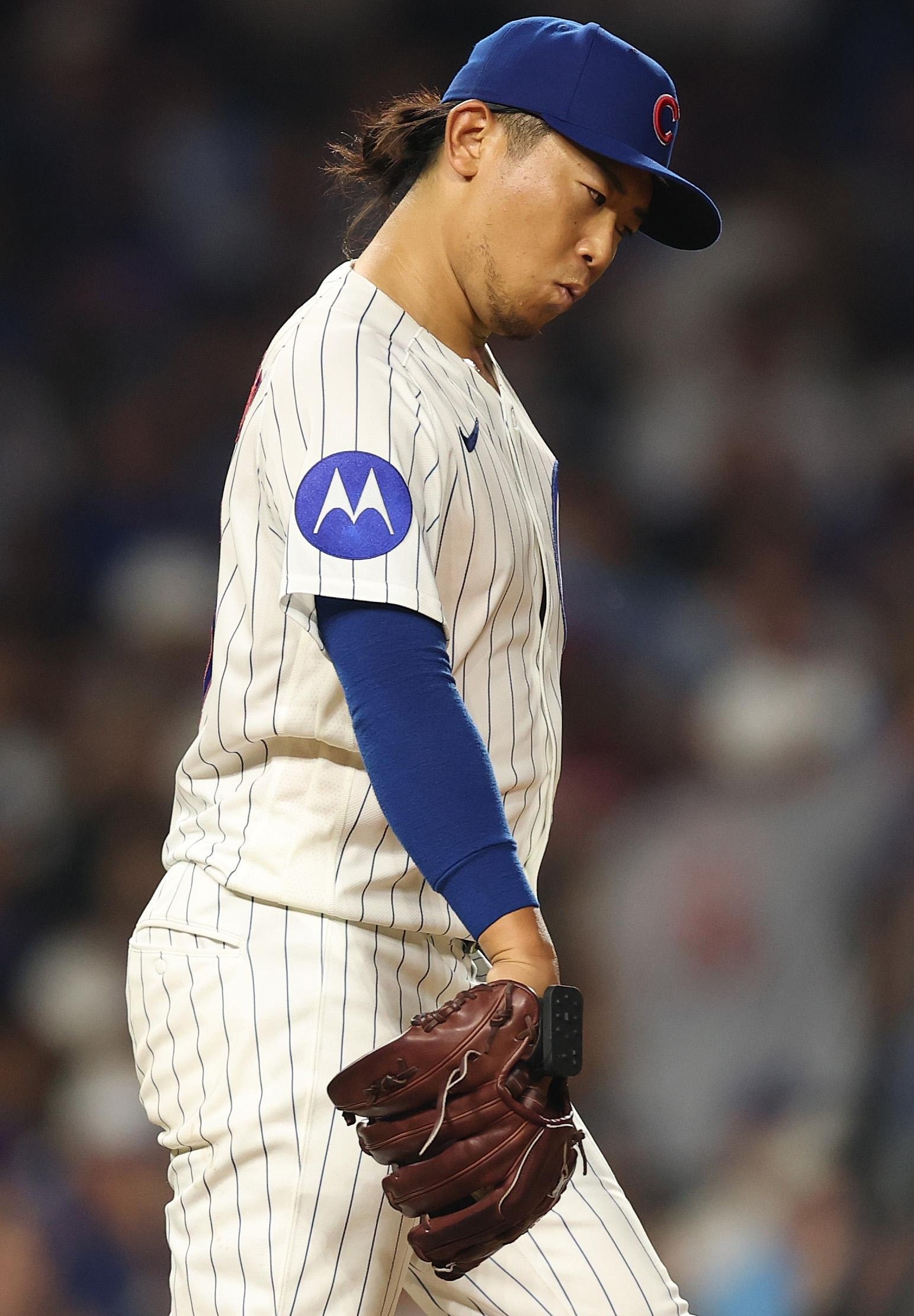
Cincinnati scored enough to turn a game that featured Cubs left-hander Shōta Imanaga and the kind of home-run damage that can loom large when October pressure arrives.
The Reds posted a 7-5 win over the Cubs, a result that carried an extra edge for Chicago because of what the game suggested about Shōta Imanaga and the vulnerability to home runs. The matchup turned into another reminder of a recurring theme surrounding Imanaga’s outings: when the ball is hit out of the park, it can quickly outweigh the rest of what he does well.
Imanaga is a central figure in the Cubs’ pitching identity, and start-to-start command has been the difference between a tight outing and one that spirals. In this one, Cincinnati’s ability to convert opportunities into long balls shifted the game’s momentum. For the Cubs, the immediate concern was not just the run total, but the way the runs arrived, through high-leverage swings that are especially costly late in games.
The final margin, Reds 7 Cubs 5, reflects a two-run gap, but it also reflects why postseason usage is always debated in baseball. Reliever availability and lineup matchup decisions can swing on whether a starter has the margin to survive one bad sequence. When a pitcher is repeatedly taxed by home runs, managers tend to weigh that risk more heavily when the stakes become higher and the margin for error shrinks.
Yahoo Sports framed the storyline plainly, focusing on how Imanaga “gives up way too many long balls” and arguing that it is becoming increasingly clear he may not be the kind of starter a manager wants in a postseason start. That framing matters because it captures a broader baseball reality. Teams do not only evaluate a pitcher’s average performance over a season. They also evaluate which risks are hardest to live with once opponents shorten the game to fewer, more decisive plate appearances.
For Cincinnati, the win also played into the value of sustained offensive pressure. Home runs do not require extended at-bat work, but they do require timing and pitch recognition, and the Reds’ ability to find the damage meant the Cubs had to navigate both scoring and game management in a single swing.
What to watch next is whether the Cubs adjust the way they deploy Imanaga as September turns into October. If the long-ball issues persist in subsequent outings, the postseason rotation conversation could sharpen quickly. If the home runs were tied to a specific pattern that can be corrected, the Cubs will have to show that the adjustment is real, not just a temporary fix.
For now, the Reds’ 7-5 win gives Chicago a practical reminder and Cincinnati a useful one: in late-season games, and especially against teams that can turn mistakes into long balls, one predictable weakness can become the lever that decides outcomes.
Why It Matters
- Home runs can compress a pitching plan into a single sequence, which matters more in postseason lineups.
- For the Cubs, the performance questions around Imanaga affect how confidently he can be penciled into October starts.
- For Cincinnati, winning through extra-base power reinforces the value of converting high-leverage chances into quick scoring bursts.
- The result adds urgency to any late-season refinement, since small adjustments are tested hardest when stakes increase.
Key Facts
- The Reds defeated the Cubs 7-5.
- The game story centered on Cubs left-hander Shōta Imanaga and home-run damage.
- Yahoo Sports described Imanaga’s long-ball allowance as a recurring concern.
- The matchup was framed as relevant to potential postseason starter decisions.