
THE APEX TIMES
Reds reshuffle middle infield, activate Matt McLain and option Edwin Arroyo
Cincinnati makes a pair of roster adjustments after the De La Cruz-Arroyo double-play fit failed to hold up, turning to McLain to stabilize run prevention.
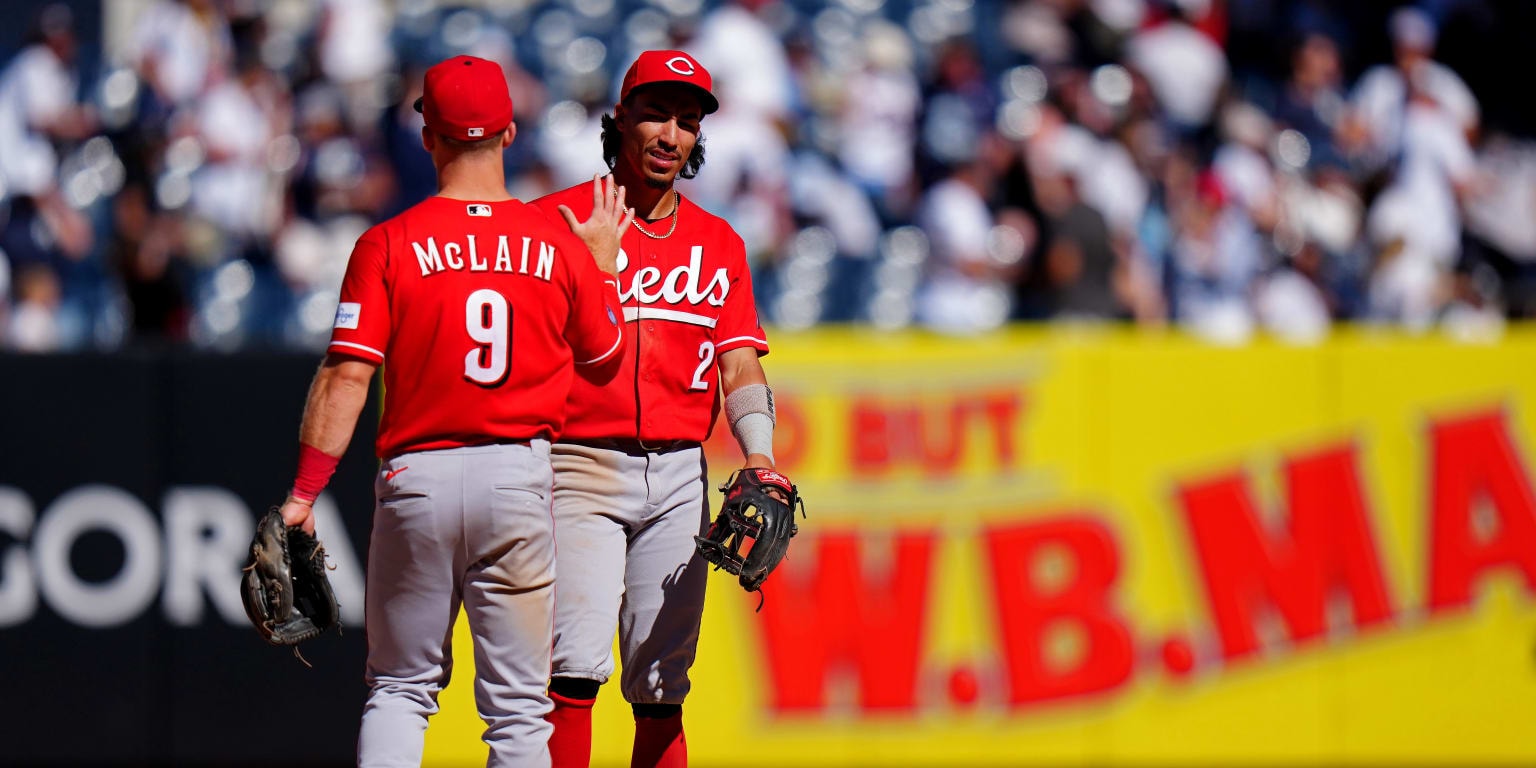
The Cincinnati Reds activated second baseman Matt McLain and optioned Edwin Arroyo, a concrete response to what the team described as growing defensive issues in its middle infield pairing. With shortstop Elly De La Cruz and Arroyo now no longer the default tandem, Cincinnati is making it clear that routine infield fundamentals matter just as much as star power, especially when double plays and clean-inning execution are required for run prevention.
In the Reds’ account of the move, the club said it had become clear in recent weeks that the De La Cruz-Arroyo combination was not meshing well. The problem was not framed as a single play. Rather, Cincinnati pointed to a pattern of turning fewer routine double plays, along with other errors that, taken together, increasingly affected how well the pitching staff could limit damage behind it.
McLain’s return to the active roster places him back into the everyday infield rotation as the Reds look for greater stability. The significance of the activation is straightforward: it changes the team’s defensive setup in the center of the diamond, where misreads and slow pivots can turn otherwise manageable at-bats into extra bases for opponents.
Arroyo’s option to Triple-A is the other side of that equation. Optioning a young player is often treated as a development decision, but in this case the Reds also tied the move directly to on-field fit. By sending Arroyo down, Cincinnati is acknowledging that the current alignment did not produce the defensive reliability the team expects from its key middle-infield positions.
De La Cruz remains in place as the shortstop cornerstone, and the Reds’ roster construction now centers on pairing his defensive and range profile with McLain rather than Arroyo. That swap matters because it is not only about who gets the ground ball, but also about communication and timing on turning mechanics, the transfer of momentum during pivots, and the consistency of the double-play process.
The timing is also notable, coming at the end of the regular-season ramp where run prevention can swing a team’s results over short stretches. While the Reds did not tie the move to specific standings language in the team release, roster changes like this are typically aimed at tightening the areas that most directly influence pitching outcomes, especially when opponents can benefit from even a small increase in defensive mistakes.
For Reds fans, the practical question now is how the infield turns and communicates over the next stretch: whether McLain’s presence restores the ability to convert routine grounders into double plays and whether the team’s overall execution improves in innings where otherwise normal plays have been breaking down. The next Reds lineup that includes McLain will offer the clearest view of how Cincinnati intends to address the defensive issues that prompted the move.
As with any mid-to-late-season adjustment, the roster can be both a stabilizer and a test. McLain’s activation gives the Reds an immediate option to correct the middle-infield mechanics that were falling short, while Arroyo’s time in Triple-A offers a chance to work on the specific elements the major league team believes were not translating cleanly. The Reds’ next games will indicate whether the change produces the defensive steadiness the team expects.
Why It Matters
- Middle infield defense is tightly linked to pitching success, especially through double-play conversion.
- A reshuffle can change how often the Reds protect runs without relying solely on strikeouts.
- The De La Cruz pairing decision affects day-to-day lineup stability in the most involved defensive positions.
- Optioning a young infielder indicates that Cincinnati views the problem as correctable, not acceptable as the season continues.
Key Facts
- The Reds activated Matt McLain from their injured list, according to the team’s roster update.
- Cincinnati optioned Edwin Arroyo to Triple-A as part of a middle-infield adjustment.
- The team said it had become clear that the De La Cruz-Arroyo combination was not meshing defensively.
- The Reds cited difficulties turning routine double plays and other mistakes affecting run prevention.
- The move keeps Elly De La Cruz in the starting shortstop role while changing the second-base partner.