
THE APEX TIMES
Reds weigh workload choices as Chase Burns heads toward another pivotal start
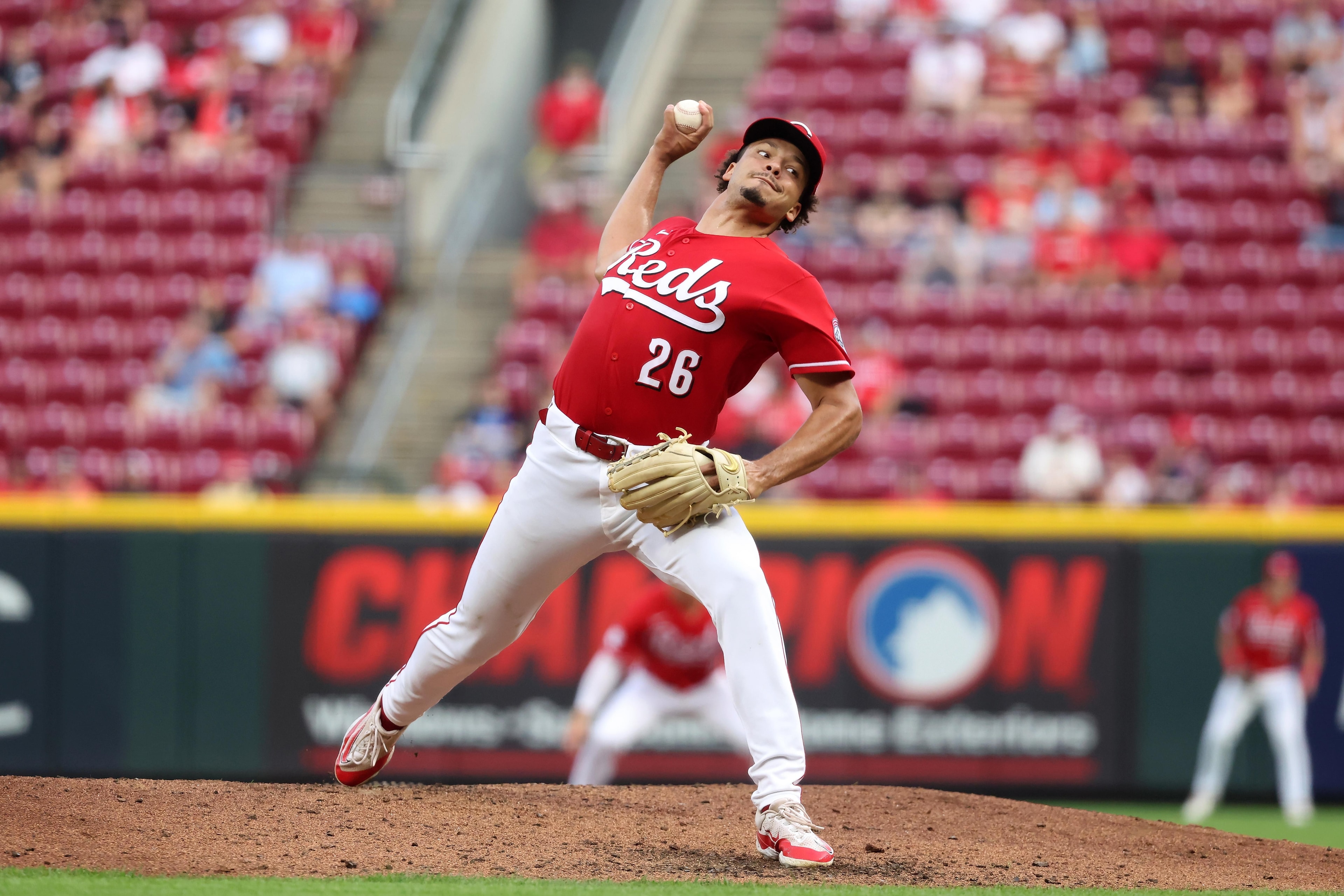
Cincinnati turns to ace Chase Burns in the series opener at San Francisco, with the team facing the practical challenge of keeping its lead starter effective as an innings threshold comes into view.
The Cincinnati Reds are set to put Chase Burns on the mound in the series opener in San Francisco, and the moment carries a familiar late-season tension for any team counting on an ace through October. The basic question is not whether Burns can pitch, but how the organization will manage him as the season approaches an innings management limit that, according to the premise of the report, feels increasingly close.
Burns has been framed as Cincinnati’s No. 1 resource, and that makes each start more consequential than it would be in the middle of a long schedule. When a pitcher is nearing an innings cap, even strong outings can trigger hard decisions. For a club relying on a frontline starter to set the tone early, workload limits can affect everything downstream, from bullpen usage patterns to how aggressively the team can chase extra innings in close games.
The report also underscores that while the exact handling plan is not known publicly, the Reds are “almost certain” to have to make a call once Burns reaches the innings limit. That matters because late-season pitching management is rarely just about the pitcher’s health in isolation. It is also about maintaining bullpen flexibility for high-leverage innings and protecting the depth of the rest of the rotation against the possibility of shorter outings.
Burns starting in San Francisco adds another layer of context. Road games in MLB are one piece of the calendar puzzle: travel, ballpark factors, and lineup matchups all influence whether a team wants a starter to go deeper or simply reach the point where the bullpen can secure the game. When a club is also tracking a workload ceiling, it can narrow the window for experimentation, such as letting a starter finish an additional time through the order or leaning more heavily on mid-relievers for additional frames.
There is also a strategic ceiling to pitching decisions near an innings threshold. If a team waits too long to conserve an innings workload, it can compress the number of start opportunities available before the limit triggers. If it conserves too early, it risks losing the full edge that comes with an ace in rhythm. Those tradeoffs are the reason this kind of start is often treated as both routine and urgent at the same time.
For Cincinnati, the practical takeaway from the series-opener setup is that Burns will likely remain central to the rotation plan while the Reds navigate how much to ask of their lead starter before the innings limit forces an adjustment. The report’s language suggests that the decision point is approaching quickly, which means this sequence of starts may function as a bridge to a more defined workload approach.
What to watch next is not only how Burns performs, but how the Reds respond around that performance. If the club keeps its bullpen usage relatively steady and preserves leverage arms for later, it can indicate a plan built around short-to-medium starter outings. If the Reds unexpectedly push for deeper innings, it could report that the threshold may be farther than it first appears, or that Cincinnati is willing to accept more strain in exchange for immediate competitiveness in a key road matchup.
Why It Matters
- Workload limits can shape rotation planning and bullpen availability during the most important stretches of the season.
- If Burns’s innings management changes, Cincinnati’s pitching roles for the rest of the rotation and bullpen may shift accordingly.
- An ace’s near-threshold starts often become more about logistics and leverage than about raw innings volume.
- The series opener can offer an early look at whether Cincinnati intends to push Burns longer or keep outings contained.
Key Facts
- The Reds are scheduled to start Chase Burns in the series opener at San Francisco.
- The reported focus is on how Cincinnati will manage Burns as he nears an innings limit this season.
- The report suggests the Reds are likely to have one innings management decision point approaching soon.
- The start is described as an ace-driven matchup with workload considerations looming.