
THE APEX TIMES
Report: SEC schools are discussing possible expulsion or boycott of LSU tied to an ex-NFL plan
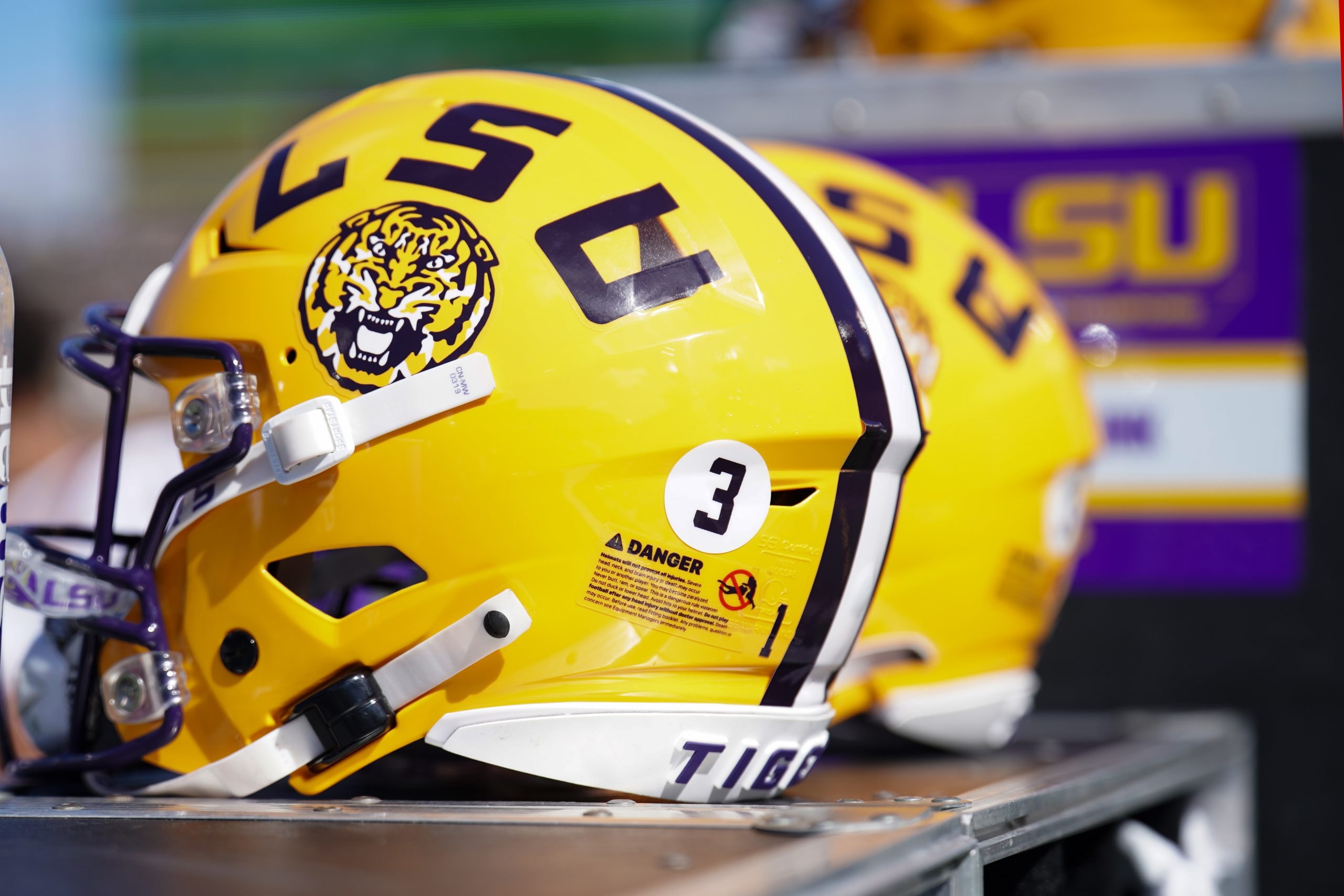
An August report says multiple SEC institutions are unhappy with LSU’s plan involving players with NFL ties, and that discussions have included extreme measures such as expulsion or a boycott.
LSU is at the center of a widening dispute within the Southeastern Conference, according to a report published Monday by Saturday Down South. The story says several of the SEC’s other 15 schools are not aligned with LSU’s roster plan that would place multiple players with prior NFL connections on the team. The report frames the disagreement as serious enough that it includes talk of expulsion and a boycott, though it does not present those outcomes as decisions or imminent enforcement actions.
What the report highlights is less about a single on-field controversy and more about governance and competitive fairness. In college football, conference membership is meant to operate under shared expectations about eligibility and the spirit of amateur competition. When a member school’s strategy is perceived by others as leaning too heavily on professional-adjacent pipelines, it can quickly become a conference-wide political issue rather than an internal roster debate.
The Saturday Down South report attributes the concerns to dissatisfaction among SEC schools, describing the plan as being linked to LSU roster construction and emphasizing that the proposal would involve more than one player with NFL ties. However, the report does not identify the players, explain the specific mechanism of the plan in operational detail, or describe any formal conference vote that would confirm the most extreme language referenced, such as expulsion.
Even without confirmed procedural steps, the framing matters because expulsion and boycott are rarely used as bargaining terms unless the internal temperature is high. Expulsion would represent the most severe remedy available to a conference, while a boycott would be a report of collective non-cooperation. In practice, the SEC would likely have to rely on clear bylaws, established processes, and legal and eligibility standards to take any action, particularly because membership enforcement and public conference action would invite scrutiny.
The dispute also fits a broader pattern in college football where roster strategies, eligibility frameworks, and recruiting narratives increasingly intersect with professional branding. Over the last several cycles, programs have leaned into the idea of getting players who have already been through elite systems. But when other schools believe that such strategies cross an institutional line, it can trigger conference politics that extend beyond the field into scheduling leverage, public messaging, and recruiting relationships.
For LSU, the immediate impact is reputational and organizational. The report places the program under heightened scrutiny from within its own league, meaning the university may face increased pressure to clarify how the plan fits within SEC and NCAA expectations. For the rest of the conference, the story suggests a willingness to consider collective action if internal guardrails are perceived as failing, even if any actual discipline would require confirmation through formal channels.
What to watch next is whether the SEC issues any guidance, whether LSU responds with a detailed explanation of the plan and its compliance posture, and whether any other member institutions offer official statements that confirm or soften the report’s most drastic claim. If the dispute remains in the realm of rumor or general disagreement, it will still shape the preseason narrative around LSU. If it moves into formal discussions, it could influence how the league approaches similar situations in the future and how teams interpret the boundaries of roster building.
Until there is official confirmation, readers should treat the most consequential claims in the report, including expulsion and boycott, as allegations about discussions rather than established outcomes. The SEC has strong incentives to keep disagreements procedural and private until the facts are clear, because public escalation would carry both competitive and legal risk for the conference and its members.
Why It Matters
- This kind of dispute, if it moves from rumor into formal process, could become a conference governance flashpoint rather than a team-only story.
- Public friction inside the SEC can affect perceptions around competitive fairness and recruiting pipelines, especially in a sport where roster strategy is closely monitored.
- Any movement toward expulsion or collective non-cooperation would be rare and could change how future roster plans are negotiated among member schools.
- Even if nothing is enforced, the narrative could shape how SEC opponents frame LSU heading into the season.
Key Facts
- Saturday Down South reports that multiple SEC institutions are unhappy with LSU’s roster plan involving multiple players with NFL ties.
- The report characterizes the disagreement as serious enough to include discussion of expulsion and a boycott, but it does not describe a confirmed decision.
- The article does not provide identified players or a detailed description of the roster mechanism in the information summarized here.
- No official SEC or LSU action is described in the report summary, so the issue remains unconfirmed as a matter of formal conference enforcement.