
THE APEX TIMES
Respecting the Russell-era Celtics: a dynasty built to be remembered, not rushed past
With CelticsBlog History Month highlighting Boston’s Bill Russell years, a new Banner Years reflection argues that the 1957-69 Celtics still deserve full attention for what they did on the court and what they changed about championship expectations.
The Banner Years series, which revisits franchise-defining stretches, has arrived at a chapter Celtics fans will recognize immediately: Bill Russell’s Celtics. In a new commentary timed for CelticsBlog History Month, the writer frames the Russell-era dynasty not as an old highlight reel to skim, but as a body of work that set standards so high they can feel abstract to fans raised on different eras of basketball.
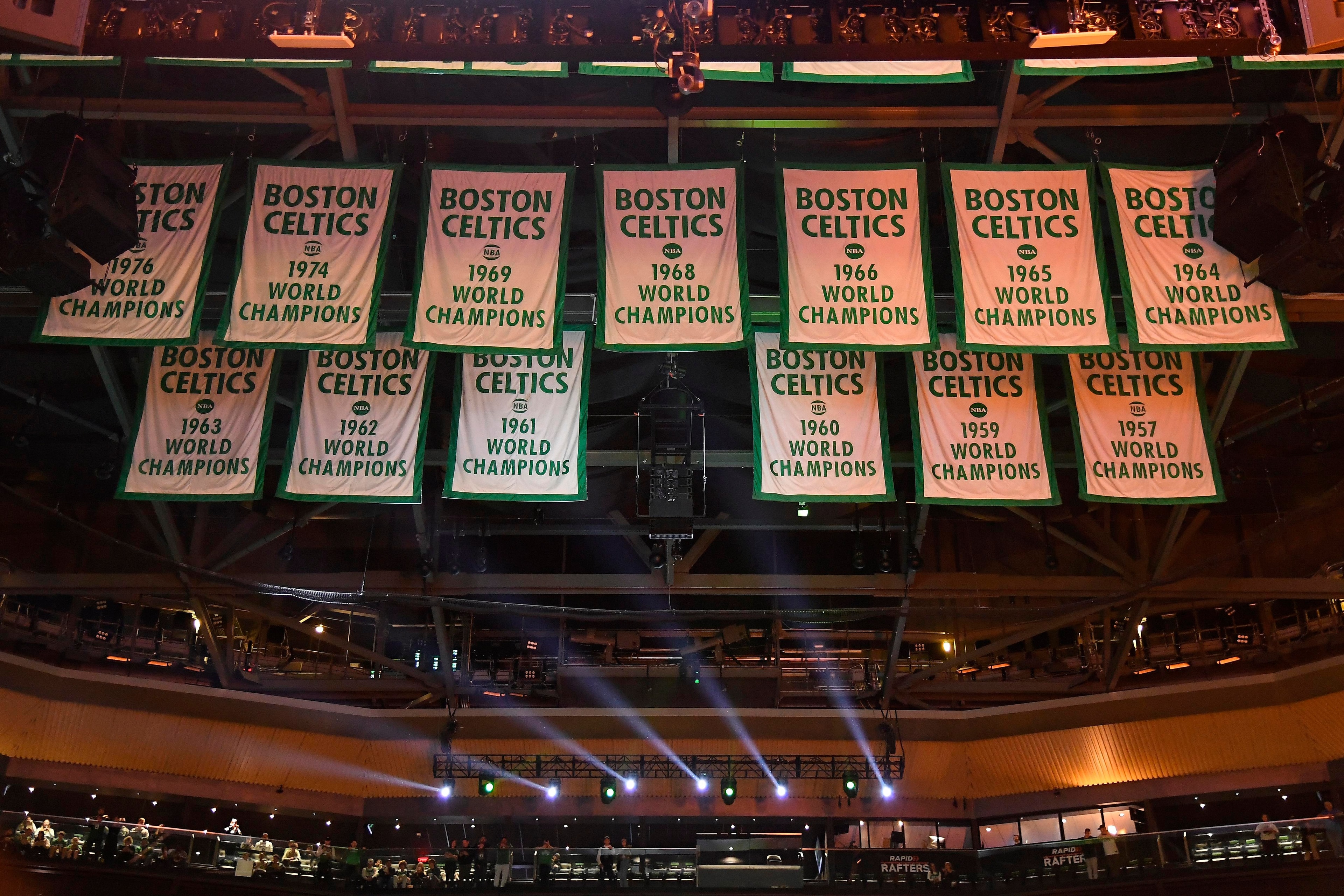
The centerpiece is simple and emphatic. During Russell’s Boston career, the Celtics won 11 NBA championships, spanning 1957 to 1969. The piece portrays those title runs as more than just repeated success, emphasizing that the team overcame obstacles across multiple seasons while still finding ways to reach the sport’s highest stage again and again. In that framing, the dynasty becomes legible as a system, not merely a lucky sequence of playoff outcomes.
A recurring theme is the gap between achievement and appreciation. The commentary suggests that today’s basketball audience does not always engage with the Russell Celtics the way it engages with more recent dynasties. The writer does not argue that modern fans are wrong to focus on the present, but instead raises a question of what gets valued in memory, and how quickly the most dominant teams can fade into general “history” rather than concrete, studied impact.
The argument also points to what made Boston’s run feel different while it was happening. The commentary references how the Celtics of 1957-69 “achieved so much” and “set unbreakable records,” using that language to underscore the cultural and competitive weight of the era. Even without dwelling on every number in the preview, the core message is clear: Russell-era Boston left behind benchmarks that competitors struggled to touch and that the franchise carried as identity.
That identity, in the writer’s view, matters because it shapes how championships are understood. A dynasty like the Russell Celtics does not only win titles. It influences the baseline of what a championship team looks like, how it defends, how it controls games, and how it builds for sustained relevance rather than short bursts. The commentary’s tone is one of respect for long-term excellence, particularly in an NBA landscape where roster turnover and style changes can make sustained dominance harder to perceive as a single storyline.
Still, the reflection is also a reminder that history is rarely static in how it is consumed. CelticsBlog History Month functions as a corrective, encouraging readers to slow down and revisit the franchise’s most decisive periods with context rather than assumptions. The “Banner Years” approach aims to keep those seasons alive in the conversation, not by treating them as trivia, but by connecting accomplishments from Russell’s time to questions fans are still asking now: what separates good teams from champions, and what makes greatness durable.
Going forward, the practical takeaway for Celtics followers and NBA historians is to treat Russell-era basketball as more than a pre-modern footnote. Even as the league’s talent, pace, and strategy continue to evolve, Boston’s 11-title run during 1957-69 remains a reference point for how dominance can be built and sustained. If the series succeeds, it will not just add another nostalgic entry. It will push readers to understand why those years still resonate when the sport keeps moving.
Why It Matters
- Russell-era dominance provides a benchmark for what sustained championship-level performance can look like across multiple seasons.
- Revisiting how championships were built in 1957-69 helps frame modern conversations about team identity and long-range planning.
- If underappreciation is real, historical storytelling like this can recalibrate what fans consider essential context in evaluating greatness.
- The Celtics’ 11-title run remains a central part of NBA history, influencing how the league and its franchises remember dynasties.
Key Facts
- The commentary is part of CelticsBlog History Month and focuses on the “Banner Years” series looking back at the Celtics franchise.
- It highlights that Boston won 11 NBA championships during Bill Russell’s career.
- The Russell-era Celtics spans the 1957 to 1969 seasons in the piece’s framing.
- The writer argues the Celtics of 1957-69 achieved major results, set records, and overcame obstacles repeatedly.
- The commentary contends that the Russell-era dynasty is sometimes underappreciated by today’s basketball fans and observers.